What is the Future of Thrill and White Knuckle Rides?
What is the future of thrill and white knuckle rides? To figure that out, we need to look at what's on offer.
When you think of thrill rides, you might imagine classic rollercoasters and spinning funfair rides. These have been going strong for years, dominating theme parks, fairgrounds, and festivals - but while these elders of the genre continue to prove their popularity, the way has opened up in recent times for more unusual and unique thrillers to get the adrenaline flowing.
Bungees and Centrifuges
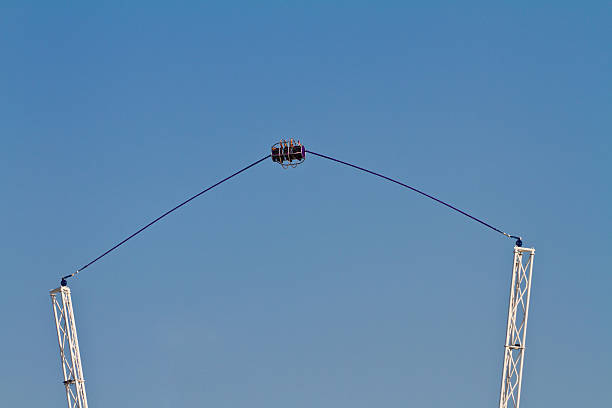
You've probably witnessed the reverse bungee slingshot ride - a modern classic. Two people sit side-by-side in a spherical cage, and are flung hundreds of feet in the air on long, elasticated cords, spinning and rolling through the air. It's a mesmerizing ride that leaves its guests dizzy with delight, and challenges onlookers to take the next spare seat. Though the slingshot bungee ride has been around for a few years now, it's surely earned a deserving spot among the thrill rides of the future. One for the true thrillseekers.
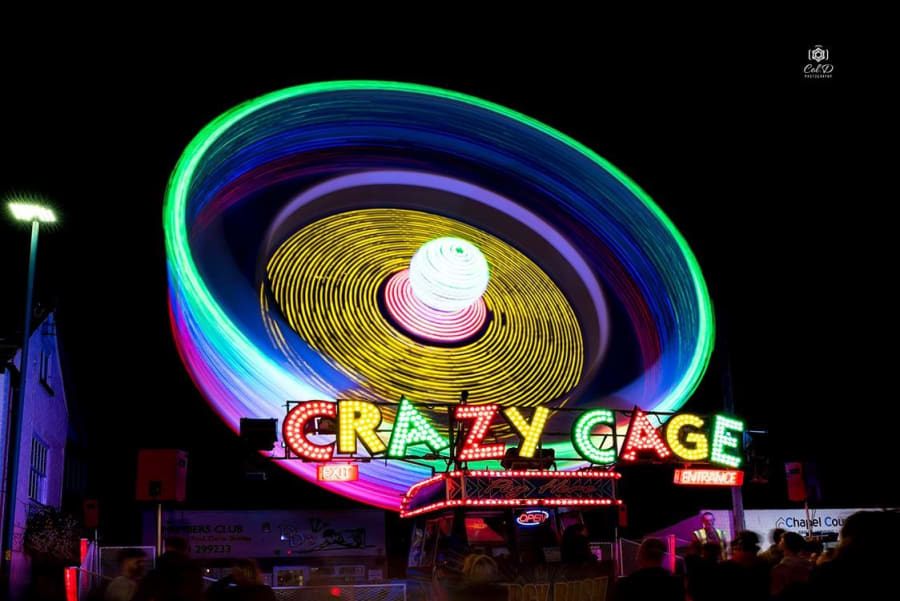
Some clever thrill rides make use of physics - namely, centrifugal force, which pushes everything away from the centre of a rotating object. The circular
crazy cage ride is a great example. Here, there are no seats - you are strapped to the wall standing up. As the ride spins, picking up speed, you and your fellow riders will find yourselves pinned to the wall!
The
rotor gravity ride is similar, except the G-force action takes place inside. This one is definitely for the adults and older kids.
Child-friendly thrill rides
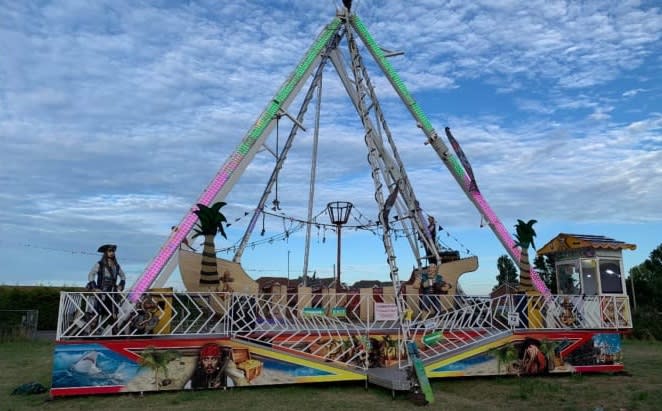
There's something lighter, for the junior thrillseekers out there (and for those who need a short break from all the bungeeing and spinning!). The pirate ship funfair ride, which rocks back and forth as if at sea, and will endure for as long as kids love theme parks and pirates. But it's not all plain sailing - the closer you sit to the bow or the stern, the higher the ride (and the bigger the thrill!). Sit in the centre of the deck for a more relaxing journey, where there's less chance of seasickness.
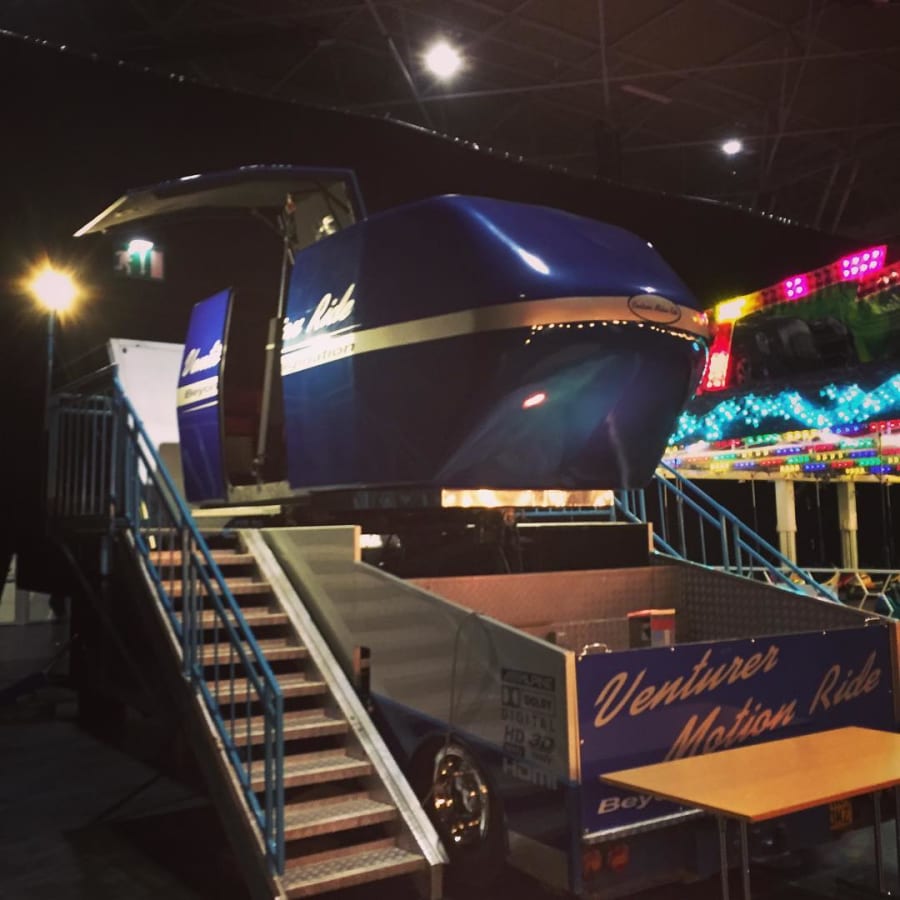
One thoroughly futuristic thrill ride is the virtual reality motion simulator. Passengers pile in, buckle up, and absorb the convincing VR experience of a speeding rollercoaster, a swooping aeroplane, a careering racecar - and more! As virtual reality becomes more and more popular, this type of ride is sure to impress.
So far, these rides have required participants to strap in and sit/stand tight - but there is one modern ride that needs you to stretch those legs and jump around! Like the hilarious gameshow seen on TV, the Toxic Wipeout attraction pits players against each other - and against the huge sweeping beam that threatens to topple them from their podiums! This one is great fun, and the element of active participation makes it a surefire thriller.
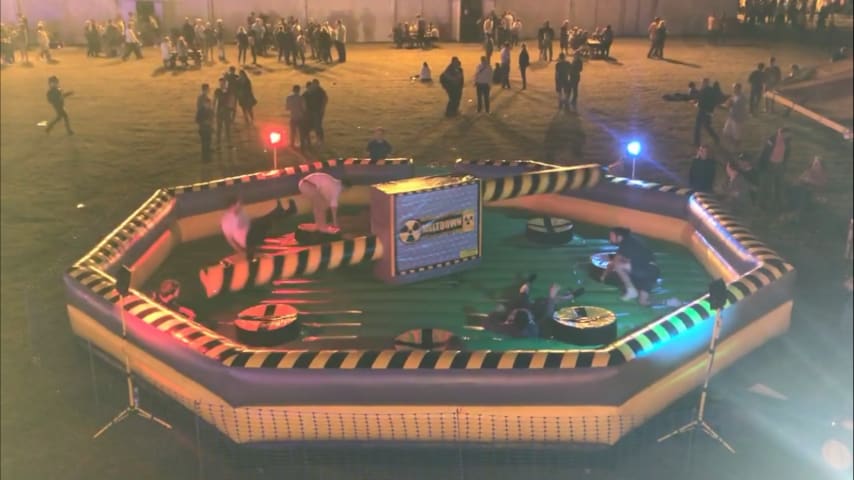
We should probably point out that you can hire all of these fantastic thrill rides from We Are Tricycle! Just browse our expansive range of exciting thrill rides for details.
For more information, please contact us!
The Future of Thrill Rides Is Not Simply About Going Bigger
It is tempting to assume that the future of thrill rides will be a continual contest for greater height, speed or intensity. For travelling fairgrounds, however, a successful new ride also needs to work as transportable equipment that can be moved, assembled, operated and removed from temporary sites.
This makes practical engineering just as important as spectacle. How Are Funfair Rides Transported? explains the logistics behind moving amusement equipment, while How to Set Up and Tear Down Funfair Rides looks at another part of the temporary ride cycle.
New Ride Designs Can Create Thrills Through More Complex Movement
Future development does not have to depend on making structures progressively larger. Designers can create different sensations by changing the direction, sequence and combination of movements experienced by riders.
The existing thrill & white knuckle funfair rides category already contains attractions based on very different movement patterns. The histories of the Booster, the Miami and the Waltzers provide useful context for how thrill-ride concepts have developed in different directions.
Digital Technology Could Change the Experience Without Replacing the Ride
Physical movement is likely to remain fundamental to many thrill attractions, but digital technology provides additional ways to alter what riders see and experience. Lighting, displays, synchronised effects and simulated environments can add another layer without requiring the mechanical principle of the attraction to disappear.
What Is the History of Virtual Reality Funfair Rides? follows one branch of this development, while What Is the History of the Motion Simulator? shows how physical movement and simulated environments have already been combined in entertainment.
Power and Electrical Systems Will Remain Part of Ride Development
Every new feature has practical requirements behind it. Motors, control systems, lighting, audio and electronic components all require appropriate power and electrical arrangements, making the infrastructure behind an attraction an important part of its development.
How Are Funfair Rides Powered? explains the wider subject of fairground power, with Fairground Electrical Safety Regulations providing related guidance on electrical safety.
Future Rides Still Have to Operate in Real Weather
Travelling thrill rides are not designed in isolation from their operating environment. Wind, rain and other adverse conditions can affect whether particular equipment can operate, with decisions governed by the requirements applicable to the individual attraction and conditions on site.
How to Keep Funfair Rides Safe in Windy Conditions and How to Prepare Funfairs for Adverse Weather provide useful context for an issue that remains relevant regardless of how advanced ride technology becomes.
Better Technology Does Not Remove the Need for Inspection
Increasingly sophisticated ride systems do not make established safety processes obsolete. Mechanical structures, electrical equipment, control systems and other components still require appropriate inspection, testing and maintenance throughout the working life of an attraction.
How Funfair Rides Are Tested for Safety explains the broader testing process, What Is the ADIPS Scheme? provides related UK context and Non-destructive Testing of Funfair Rides looks at a more specialised area of inspection.
The Best Future Attraction Will Still Need to Suit the Event
A technically impressive ride is not automatically the right attraction for every audience or site. Available space, visitor profile, access, supporting infrastructure and the balance between different forms of entertainment remain important considerations when planning a fairground.
How to Choose the Right Funfair Rides & Games provides guidance on attraction selection, while How to Place Funfair Rides Around the Site considers how individual rides fit into the wider event layout.
Our Guides explore the engineering, history, operation and planning behind fairground entertainment in more detail. You can also browse big funfair rides, children's thrill rides and all products, or contact us about thrill rides and other attractions for an event.