How to Place Funfair Rides Around the Site
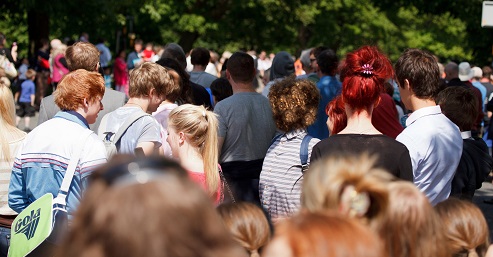
Strategic placement of funfair rides and attractions is crucial for maximising engagement and ensuring a smooth flow of guests throughout your event space. The arrangement of your attractions, games and food stands can significantly impact the overall experience, safety, and success of your event. Here are some tips to help you optimise foot traffic through thoughtful attraction placement.
- Entrance to Exit: Design your layout from the entrance to the exit, guiding guests through a journey. Position key attractions at various points to draw guests through the space, ensuring they explore the entire area.
- Anchor Attractions: Use large or popular attractions, such as Ferris wheels or Carousels, as anchors at different ends or corners of the event space. This encourages guests to move around and explore different sections.
- Zoning: Create zones for different types of attractions and activities. For example, place fairground side stalls and games in one area and food vending tricycles in another, with fairground rides interspersed between. This setup encourages guests to move between zones, experiencing a variety of attractions.
- Pathways and Signage: Ensure there are clear pathways between attractions and use signage to guide guests. Interesting and engaging signs can help direct traffic while adding to the event's aesthetic.
- Viewpoints and Photo Opportunities: Place attractions with impressive visuals, like Ferris wheels, in locations that offer great views or photo opportunities. This can encourage social media sharing, drawing more visitors.
- Comfort and Convenience: Position picnic benches and rest areas near food vendors or quieter attractions, providing guests with comfortable spots to relax. This can help distribute crowds more evenly and ensure guests stay longer.
- Guest Feedback: Collect and analyse feedback from previous events to understand which attractions were most popular and how foot traffic flowed. Use this data to inform the placement of attractions for future events.
- Observation: During the event, observe how guests move through the space and interact with attractions. Note any bottlenecks or underused areas for adjustments in real-time or for future planning.
The strategic placement of attractions can transform the guest experience, encouraging exploration, maximising engagement, and ensuring a smooth flow of traffic throughout your event. By considering the layout from your guests' perspective and using attractions strategically, you can create an immersive and enjoyable environment that encourages visitors to explore every corner of your event.
Contact us for more information!
Planning a Funfair Site Starts with the Space, Not the Ride List
It can be tempting to choose all the attractions first and then work out where they will fit. A better approach is to understand the venue before deciding the final layout. The usable area, access points, ground conditions, pedestrian routes, surrounding buildings and expected visitor numbers can all influence which attractions are practical and where they should be positioned.
A compact corporate event using indoor fairground games requires a very different layout from an outdoor festival featuring big funfair rides, Ferris wheels and roller coasters. Our How to Choose the Right Funfair Rides & Games guide is useful if you are still deciding which attractions suit your venue.
Think in Zones Rather Than Individual Attractions
One practical way to approach funfair layout planning is to divide the venue into functional areas. Instead of asking where each individual attraction will go, consider where you want the main ride zone, children's attractions, games, catering, seating, queues and quieter spaces.
This can help create a more coherent visitor route. For example, children's fairground rides and attractions might be grouped with suitable fairground side stalls and games, while larger thrill and white knuckle funfair rides occupy another part of the site.
There is no single layout that works for every event. The objective is to create a plan suited to the venue, audience and equipment being supplied.
Allow for the Full Operating Footprint of Each Attraction
The visible ride is not necessarily the only space that needs to be considered. Different attractions have different operational requirements, and organisers should establish the actual space needed rather than estimating from photographs.
A Vintage Ferris Wheel creates a very different footprint from Traditional Dodgems, a 9 Hole Mini Golf course or a row of Traditional Fairground Side Stalls. Larger attractions may also require appropriate surrounding operational space.
If you are considering specific equipment, How Much Space Is Needed for Ferris Wheel Hire?, How Much Space Is Needed for Dodgems Hire? and How Much Space Do I Need for Giant Garden Games? provide more focused guidance.
Check How the Rides Will Actually Reach Their Positions
A large open space does not automatically make a venue suitable for every attraction. The equipment must first reach the intended setup position.
Entrance widths, gates, turning areas, restricted roads, low branches, overhead obstructions and internal vehicle routes can all affect installation. A site plan should therefore consider the journey from the venue entrance to the final attraction position rather than looking only at the finished event layout.
How Are Funfair Rides Transported? explains more about the logistics involved in moving mobile amusement equipment between events.
Keep Setup Routes Separate from Guest Routes Where Possible
The venue during installation is a very different environment from the venue after opening. Vehicles, ride components and technical equipment may need to move through areas that will later become pedestrian spaces.
Organisers should therefore consider when different suppliers will arrive and how installation traffic will move around the venue. How to Assemble and Dismantle Funfair Rides provides further information about the build and breakdown stages.
This is particularly relevant when a wider event includes multiple suppliers rather than funfair equipment alone.
Use Major Attractions as Visual Anchors
Some attractions naturally become landmarks within a venue. A Giant Ferris Wheel, Illuminated Helter Skelter or Star Flyer may be visible from substantial distances and can help define the visual character of the event.
Where the venue allows it, major attractions can be positioned deliberately rather than simply placed in the first available large space. Sightlines from entrances, central pedestrian routes and other parts of the venue can all be considered.
This is particularly useful for festival hire, music, arts and cultural events, brand activations and other events where the visual appearance of the site forms part of the overall production.
Do Not Let One Popular Ride Block the Rest of the Event
A major attraction can generate a substantial queue. If its entrance is positioned directly beside a main pedestrian route, catering area or another popular attraction, congestion can spread well beyond the ride itself.
Queue capacity should therefore be considered when allocating space, not added as an afterthought once the attraction has been positioned. How to Manage Queues at Funfairs looks at this subject in more detail.
crowd barrier fences may also be useful for defining particular waiting and operational areas. See How to Use Crowd Barrier Fencing at Events for related guidance.
Create Natural Routes Through the Funfair
A strong layout encourages visitors to move around the venue rather than concentrating everybody in one location. This can involve distributing popular attractions, games and food options throughout the site so there are reasons to explore different sections.
Traditional carnival games, prize games and attractions such as Hook A Duck Side Stall, Hoopla Side Stall and Test Your Strength can be useful between larger rides because their physical and operational characteristics differ from major mechanical attractions.
The aim is not simply to fill empty gaps. Each element should contribute to a logical event layout.
Give Children's Attractions Their Own Thoughtful Position
At family events, younger children's activities should not simply be fitted into whatever space remains after the larger rides have been allocated.
Attractions such as the Children's Victorian Carousel, Mini Ferris Wheel, Mini Chair o Planes and Go Gator Children's Roller Coaster can form a recognisable family area alongside suitable games and seating.
Parents and carers may spend longer in these areas than they do beside individual adult rides, so nearby pedestrian space and opportunities to rest can be useful. How to Keep Children Safe at Fairgrounds provides further guidance for family-oriented events.
Consider Noise When Grouping Attractions
Not every part of an event needs the same atmosphere. A busy ride area may be appropriate in one section of the venue while seating, conversation spaces or other activities work better elsewhere.
relax and chill out zones, picnic benches and Deck Chair Hire can be positioned away from the busiest attraction entrances, giving visitors somewhere to stop without obstructing circulation.
This approach can be particularly useful at long-duration festivals, corporate events and mixed-age public events.
Place Catering Where People Can Stop Without Blocking Movement
Food areas naturally attract queues and groups of people who may remain in the same location while eating. That makes the position of catering an important part of the overall site plan.
Our event catering solutions can complement a full funfair installation, including burgers and fries, fish and chips, loaded hot dogs, Chinese noodles and other options.
Catering areas can work particularly well near seating, but their queues should be considered separately from those of neighbouring attractions. For more about mobile event catering, see How Mobile Food Carts & Bars Run at Outdoor Events.
Power Requirements Can Influence Ride Positioning
The practical infrastructure behind a funfair also affects the layout. Electrical requirements, generators, cables and other equipment should be considered during planning rather than after the public-facing positions have been finalised.
How Are Funfair Rides Powered? explains more about amusement ride power, while Fairground Electrical Safety Regulations provides related information about electrical safety.
Technical and public areas should be planned together so that infrastructure can support the attractions without unnecessarily interfering with visitor routes.
Ground Conditions Can Change What Is Practical
A site plan drawn from an aerial photograph cannot show everything that matters at ground level. Surface type, slopes, soft ground, drainage and recent weather can all affect the practical use of a particular area.
This becomes especially important at outdoor events where conditions can change in the days leading up to installation. How to Prepare Funfairs for Adverse Weather covers wider weather planning, while Rainy Weather FAQs looks more specifically at wet conditions.
Think About Wind Exposure for Taller Attractions
Positioning a tall ride requires more consideration than simply finding sufficient horizontal space. Site exposure and changing weather conditions may also be relevant to operation.
This is particularly important when planning Ferris wheels, Chair O Planes and other larger outdoor attractions. Our How to Keep Funfair Rides Safe in Windy Conditions guide explains more about wind and amusement ride operation.
Keep Emergency Routes Clear from the Beginning
Emergency access should be incorporated into the original layout rather than created by moving equipment after an incident occurs. Ride positions, queues, catering units and seating should not unnecessarily obstruct routes that may be required by event personnel or emergency services.
What to Do in a Funfair Emergency looks at the response once something happens, while Funfair Emergency Planning and Crisis Management covers advance preparation.
Accessibility Should Influence the Layout
An event may contain excellent individual attractions but still be difficult to navigate if pedestrian routes have not been planned for different visitors. Accessible movement should therefore be considered throughout the venue rather than restricted to a single designated area.
Routes, surfaces, queue arrangements, seating and access to entertainment can all form part of that planning. Disabled Accessibility and Inclusivity at Funfairs & Fairgrounds provides more detailed guidance.
Plan for Different Weather Conditions, Not Just Opening Day
Shade can be valuable at summer events, while winter events may need greater consideration of shelter, lighting and comfortable rest areas. Seasonal conditions can therefore influence where queues, seating and activities are positioned.
See How to Keep Funfairs Comfortable in the Summer and How to Keep Funfairs Comfortable in the Winter for seasonal planning ideas.
Corporate and Branded Events May Need a Different Layout Again
At company fun days and corporate events, the objective may extend beyond creating a traditional funfair. Organisers may want visitors to encounter particular branded activities, product displays or interactive experiences in a deliberate sequence.
exhibition stand and branded games, brand activations and concept to reality and bespoke creations can therefore be incorporated into the site plan alongside rides and stalls.
Our How to Stand Out at Exhibitions and Trade Shows and How to Use Interactive Games at Exhibitions guides provide further ideas for commercially focused events.
Leave Space for the Funfair to Come Back Apart
The event ending does not mean the logistical work is finished. Attractions still need to be dismantled, loaded and removed from the venue, often alongside numerous other event suppliers.
A layout that completely blocks vehicle access once other temporary structures have been installed can complicate breakdown. Thinking about removal during the initial planning stage can therefore make the complete event programme easier to manage.
How to Assemble and Dismantle Funfair Rides and How Are Funfair Rides Transported? explain more about these practical stages.
There Is No Universal Funfair Site Plan
A town-centre event, country estate, school field, festival site, exhibition venue and corporate headquarters all present different opportunities and restrictions. The right layout depends on the available space, access, audience, attraction selection, infrastructure and wider event programme.
We provide fairground and funfair hire for school events, council and local authority events, charity events, festivals, corporate functions and many other event formats, so the attraction plan can be developed around the particular venue rather than a standard template.
Continue Planning Your Funfair Site
Once the broad layout has been established, How to Perform a Funfair Ride Risk Assessment can help with the next stage of planning. How to Ensure the Safety of Your Guests at Your Funfair looks at the event from the visitor perspective, while Common Factors in Funfair Injuries covers several issues organisers should consider when reviewing the completed plan.
You can also browse our Guides for more information about attraction selection, transport, installation, power, weather, queues, accessibility and event safety.
If you are planning a funfair and would like to discuss what can work within your available venue, contact us with information about the site, event and attractions you are considering.