Dodgems FAQs
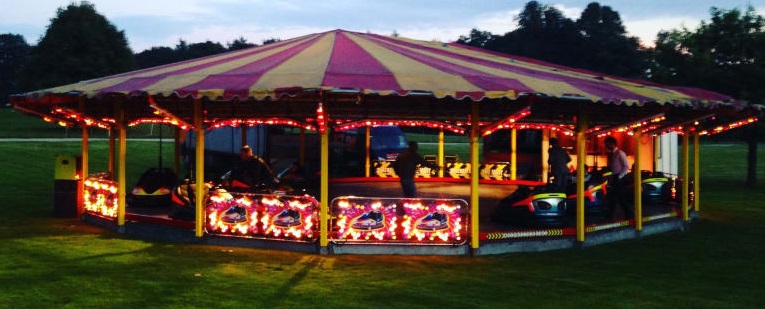
Dodgems FAQs | Safety, Setup, Space & Hiring Guide
Few fairground attractions are as universally loved as the Dodgems. Whether you grew up calling them bumper cars or the classic British dodgems, they bring laughter, friendly competition and brilliant photo moments to any event. Below you’ll find a deeper look at safety, space and power, set-up timelines, rider rules, and how to get the most from your booking — plus links to our detailed FAQs for further reading.
Explore the range: Dodgems · Also known as: Bumper Cars
What’s the difference between dodgems and bumper cars?
The names are often used interchangeably, but there are distinctions in heritage and audience focus. Our guide
What's the difference between Dodgems and Bumper Cars explains terminology, typical speeds, and how children’s formats compare to full-size rides.
How safe are dodgems?
Safety is engineered into the ride system and operating procedures. Cars use energy-absorbing bumpers, controlled speeds and designated driving direction; attendants brief riders and manage entry/exit gates.
For a deeper dive into standards, daily checks and rider rules, see How are Dodgems safe.
- Height/age guidelines and seatbelt use enforced by operators.
- Clear signage for direction of travel; no head-on bumping where applicable.
- Emergency stop systems and strict loading protocols.
How much space and power do I need?
Dodgems come as traditional wooden-floor roadways or modern steel-deck systems, each with specific footprints and access needs. Power is typically supplied by our generators and managed by qualified staff.
For planning diagrams and common footprint examples, see How much space do I need to hire the Dodgems.
- Allow space for roadway, safety perimeter, paybox and queuing.
- Good ground access for delivery vehicles and build crew.
- Discuss cable routing and generator placement during site survey.
Setup, Timelines & Throughput
How long does installation take?
A standard set can be installed the day before larger events or on the morning of a smaller event, depending on access windows and ground conditions. A typical operating day uses rotating sessions (e.g., 3–5 minutes) to keep queues moving.
What’s the rider capacity?
Capacity depends on the number of cars and session length. With well-timed cycles and efficient loading, dodgems handle high footfall while keeping queues upbeat and moving.
How do dodgems work?
Curious about the mechanics and electrics? From power pickup and control systems to the steering column and bumpers, our explainer
How do the Dodgems work breaks down the tech in plain English.
Rules, Rider Guidance & Accessibility
Rider rules at a glance
- Follow the direction of travel; no deliberate head-on collisions.
- Keep hands and arms inside the car; remain seated and belted.
- Listen to attendants for loading/unloading and emergency instructions.
Accessibility & inclusivity
Where safe to do so, carers may accompany guests who need support. We can advise on step heights, seating, and quieter periods for sensory-sensitive riders. If you’re planning an inclusive event, let us know during your enquiry and we’ll tailor practical adjustments.
Styling, Weather & Event Fit
Styling & theming
Choose from heritage looks for vintage events or sleek LED-forward lighting for modern set-pieces. We can coordinate décor, signage and queue lines so the dodgems sit perfectly within your theme and site plan.
What about rain or wind?
Light rain usually isn’t a problem — surface grip and electrical safety are checked by operators. In high winds or severe weather, we may pause operation until conditions improve, and we’ll help pivot guests to indoor or covered games if needed.
Popular Options & Booking
We supply a full spectrum of styles to suit your brief, including
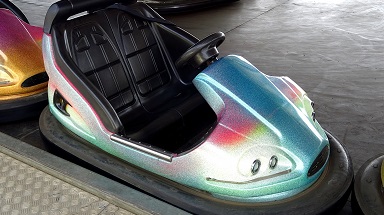
modern dodgems and
traditional dodgems.
We can also advise on child-friendly formats (inflatable bumper-car arenas and similar) for school fêtes and family days.
Ready to plan your layout or check dates? Start by contacting us with your location, preferred event hours and expected footfall — we’ll recommend the best configuration and provide a clear quote.
Quick-fire FAQs
- Can you set up on grass?
- Yes, provided ground conditions and access are suitable. Trackway or matting may be recommended depending on the season.
- Do you need darkness for the lights to “pop”?
- No — the lighting reads well in daylight, but evening operation adds extra atmosphere and great photo ops.
- Can we brand the paybox or signage?
- Yes. We can add event branding, directional signage and queue-line panels to match your theme.
- Do you supply operators?
- Absolutely. Trained, uniformed staff run the ride, manage queues and complete safety checks throughout the day.
Go Further with Your Dodgems Questions
Dodgems are unusual among traditional fairground rides because riders actively control their cars rather than simply being carried through a fixed ride cycle. That creates questions about how the cars operate, where the ride came from, who can participate and what is involved when dodgems form part of an event. These related FAQs and guides let visitors explore those subjects in more detail.
How do dodgems actually work?
If your question is about what happens beneath the familiar lights and music, start with How do the Dodgems work?. It looks more closely at the operation of the attraction and how the dodgem cars function within the ride.
There is also What's the Difference between Dodgems and Bumper Cars? for anyone wondering why different names are used for similar attractions.
Where did dodgems come from?
Dodgems have become one of the attractions most closely associated with the traditional funfair. What is the History of the Dodgems? explores their development, while Funfair History FAQs opens up the wider history of rides, games and fairground culture.
Are dodgems safe?
Questions about intentional bumping naturally lead to questions about ride safety. How Are Dodgems Safe? looks specifically at this attraction, while Health and Safety FAQs provide a wider collection covering safety at funfairs and events.
For questions about amusement-device testing and inspection, continue to Funfair Testing FAQs.
How much room is needed for dodgems at an event?
A dodgems installation requires more planning than simply finding an open space that appears large enough. Requirements need to be established for the particular equipment and venue being considered.
How much space is needed for Dodgems hire? focuses on this question, while Event Planning and Logistics FAQs cover the wider practical issues involved when several attractions and event facilities need to share a site.
What about rider requirements and accessibility?
Participation can depend on the design and operating requirements of the particular ride. Organisers and guests should therefore use the requirements for the actual equipment rather than assuming that every dodgems attraction operates under identical conditions.
Funfair Accessibility FAQs provide further information about accessibility and participation at funfairs. You can also read Why do some funfair rides have height restrictions? for a closer look at why restrictions may apply to individual attractions.
Comparing dodgems with other classic rides
Dodgems offer a very different experience from rides where passengers follow a predetermined movement. If you are comparing attractions for an event, Carousel FAQs cover one of the traditional gentler ride formats, while Ferris Wheel FAQs explore another instantly recognisable fairground attraction.
For something based more heavily on speed and changes of direction, continue to Rollercoaster FAQs or the broader Thrill Ride FAQs.
Adding competitive entertainment beyond the dodgems
The driving element gives dodgems a naturally interactive character, but there are other ways to add participation and friendly competition to an event. Funfair Game FAQs cover traditional side-stall games, while Giant Game FAQs and Mini Golf FAQs explore other activity formats.
For electronic competition away from the fairground rides, Arcade Game FAQs provide another route through the site's event entertainment resources.
Can weather affect a dodgems event?
Weather planning should be based on the particular equipment, venue and operating requirements involved. Organisers planning an outdoor event can continue to Rainy Weather FAQs for questions about wet conditions and weather contingency planning.
Planning an event with dodgems?
Browse the main FAQs section for further collections about rides, games, accessibility, safety and event organisation. More detailed articles are available through Guides, or contact us to discuss dodgems and other fairground attractions for your event.