How Are Funfair Rides Transported?
We've all had amazing times in funfair rides at carnivals, festivals and parties. Have you ever stopped to wonder how these huge pieces of machinery and equipment are moved from city to city? Well, we certainly have! We've transport funfair rides all the time, so if you've ever considered how we move them around, read on to find out more!
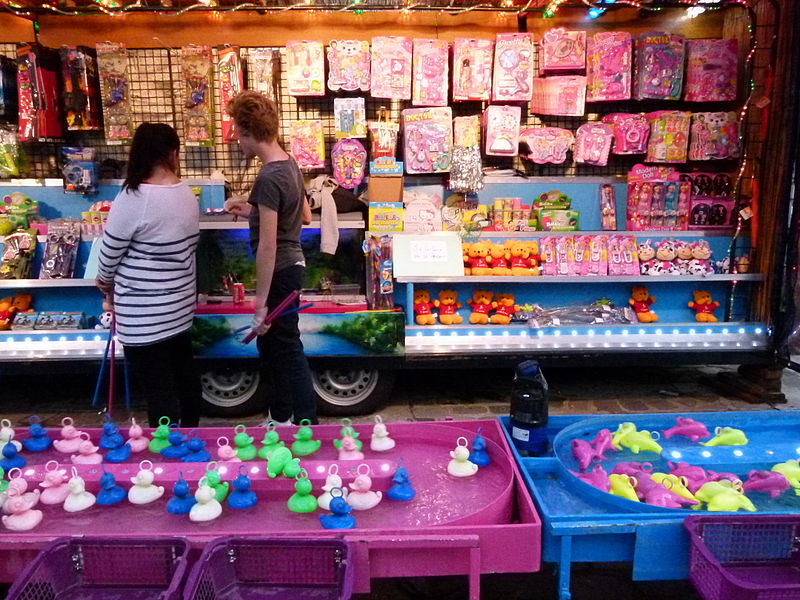
The equipment used to make carnival dreams come true are big. Really big. And bulky. Super bulky. They're designed to be huge so we can get as many people on the rides at one time (which reduces queue times so you can go on lots of rides rather than waiting for your turn). Sadly this means moving these rides takes a lot of work.
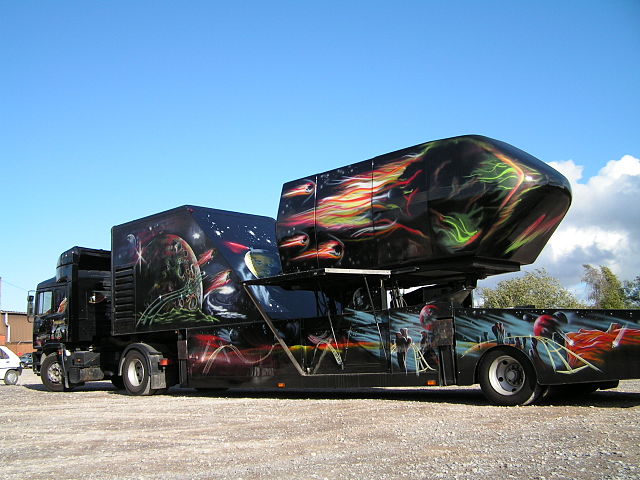
The best way to move all the equipment, and the rides themselves, is to use specialised hauling trailers.
The hauling trailers are dry and secure to make sure there is no damage to the precious cargo and to make sure everyone can experience their favourite rides. The trailers themselves are normally closed top. This means there’s a make-shift roof over the rides. This protects against natural weathering, accidental damage or even thunderstorms and inclement weather. Using hauling trailers also means bulky equipment can be safely and smoothly transported by attaching to other vehicles.
The fairground amusements and rides themselves are designed with special integration in mind so they can be easily hooked onto vehicles to be moved, rather than being packed up and placed on a track. This is all done to maintain the equipment’s longevity and to make sure we don’t need to spend time repairing your favourite ride.
Scania and Volvo trucks and vehicles are usually used as these are the most sturdy and appropriate for the job. Travelling to a fun fair or carnival site means travelling along rough terrain, sometimes through mud or hazardous makeshift roads.
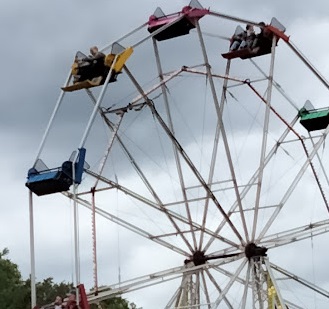
How exactly are the rides broken down? Specific vehicles and trailers are great for moving huge pieces of equipment but it’s unlikely you’ll see one travelling with a 50 feet high Ferris Wheel. Well, of course, before the crack team transports the rides, they first have to complete the thankless task of dismantling the rides. It’s a dirty job but someone’s got to do it!
Fortunately most carnival rides like Ferris Wheels break down into smaller modules. The rides themselves are designed to be dismantled into much smaller units. These more manageable units can be placed on trailers and driven to their next destination. The Ferris Wheel itself has a particularly interesting process to go through. The spokes of the wheel are removed one by one, in a long but systematic process. This is done to make sure the wheel is dismantled properly and safely.
Hopefully that’s been a bit of an eye opener for you! So the next time you’re sitting at the top of a Ferris Wheel, consider the effort involved to get the wheel to you. Makes the whole thing seem a bit more impressive we reckon!
Transport Is What Makes a Travelling Funfair Possible
One of the defining characteristics of travelling fairground equipment is that attractions can move between event sites rather than remaining permanently installed. Transport therefore influences ride design, event scheduling, site access and the way equipment is assembled once it arrives.
What Is the History of the Funfair? provides useful background on the travelling tradition that helped shape modern fairground entertainment.
Different Attractions Create Very Different Transport Jobs
Moving a compact game is quite different from transporting a substantial mechanical attraction. The equipment required and logistical arrangements depend on the individual attraction, so organisers should not assume that all fairground rides arrive or unload in the same way.
The contrast becomes particularly clear when comparing small funfair rides with big funfair rides. The size of an attraction can affect much more than its appearance once the event opens.
Site Access Starts Matter Before the Ride Reaches Its Position
An attraction needs a suitable route from the site entrance to its intended location. Gates, roads, turning space, surfaces and other temporary or permanent event infrastructure can therefore become relevant before installation begins.
Event Planning and Logistics FAQs covers wider practical considerations for organisers, while How to Place Funfair Rides Around the Site looks at what happens when individual attractions are incorporated into the event layout.
Arrival and Installation Are Separate Parts of the Process
Getting equipment onto the event site does not mean that it is immediately ready for passengers. Travelling rides need to be installed according to the requirements of the particular equipment by the appropriate people before operation can begin.
How to Set Up and Tear Down Funfair Rides provides further information about the installation and removal stages without treating ride assembly as a DIY process for event organisers.
Transport Planning Also Has to Consider Supporting Equipment
A fairground attraction is not necessarily the only equipment associated with its operation. Depending on the ride and event, the overall installation can involve supporting components and systems in addition to the parts visitors immediately recognise as the attraction.
Power is one example. How Are Funfair Rides Powered? looks at the different ways power forms part of fairground operation once equipment is on site.
The Return Journey Matters When Planning Event Timings
Temporary attractions also have to leave the site after the event. Collection and removal therefore form part of the logistics plan rather than being an afterthought once visitors have gone home. The site needs to remain workable for the appropriate dismantling and vehicle movements involved.
This is particularly relevant when several rides, fairground side stalls and games, catering units and other attractions are being removed from the same event site.
Weather Can Affect the Wider Logistics Plan
Outdoor event logistics should also account for changing conditions. The relevant decisions depend on the site, individual equipment and circumstances rather than there being one weather rule that applies to every travelling attraction.
How to Prepare Funfairs for Adverse Weather looks at wider weather planning, while How to Keep Funfair Rides Safe in Windy Conditions focuses specifically on wind and fairground equipment.
Plan the Journey Before Choosing the Final Ride Line-Up
Transport requirements are one reason attraction selection should be connected to practical event planning. A ride may suit the audience but still need to be assessed against the available site, access and installation requirements before it can form part of the programme.
How to Choose the Right Funfair Rides & Games provides a useful next step for attraction selection. You can also browse all products, continue through our Guides, or contact us to discuss the logistics of bringing fairground attractions to your event.