How to keep Funfair Rides Safe in Windy Conditions
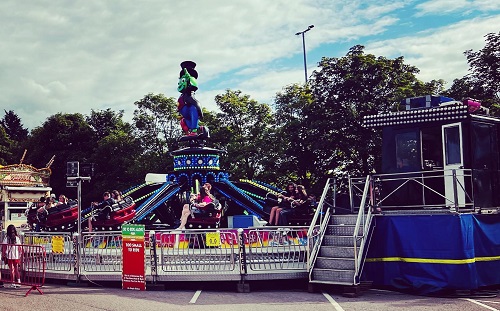
At We Are Tricycle, safety is our top priority when it comes to funfair rides and inflatables - you can read about some of the measures we put in place in our fairground safety FAQ. We want everyone to have a fantastic time while ensuring their well-being. One crucial aspect of safety we pay close attention to is the wind conditions during operation. To ensure a safe and enjoyable experience for all our guests, we follow strict guidelines and recommendations to determine when to operate or suspend the use of our funfair rides and inflatables.
Inflatables in Windy Conditions:
- Maximum Wind Speed: No inflatable should be used in winds exceeding 24 mph (38 km/h), which corresponds to Force 5 on the Beaufort Scale. This is the point when small trees in leaf begin to sway, indicating stronger winds that can pose risks to inflatables.
- Check Manufacturer's Guidelines: Each inflatable may have a different maximum wind speed for safe operation. Always refer to the manufacturer's operating manual to confirm the appropriate wind speed for each inflatable.
- Measuring Wind Speed: When operating inflatables outdoors, use an anemometer to measure wind speed at regular intervals. If an anemometer is not available, the inflatable should not be operated outside. It is crucial to record these measurements to ensure safety.
For Funfair Rides in Windy Conditions
- Follow Documentation Requirements: Ensure that the documentation you receive follows the pre-use inspection requirements provided in the guidance. Differences in methodology, procedures, and certification requirements may exist between countries, so it's essential to adhere to the funfair safety guidelines specific to the UK when you're hiring funfair rides on these shores.
-
Plan the Layout Thoughtfully: Design the layout of attractions to minimise risks arising from site factors such as uneven or soft ground, wind uplifts, or overhead power lines. Take into account any manufacturer's instructions regarding operating conditions, including wind speed, and ensure adequate anchoring points have been used.
- Weather Conditions Assessment: Always assess how weather conditions can affect the safety of the funfair ride and control any risks that may arise. Conduct additional inspections of packing and anchors in adverse weather conditions, and identify wind speeds that might require the ride to be closed for safety.
- Stay Vigilant: Be aware of factors that may impact the ride's safety at all times. In case of bad weather conditions, such as strong and gusting winds, heavy rain making the ground soft, or lightning, be prepared to stop the ride and take necessary safety measures before resuming operation.
At We Are Tricycle, our funfair ride manuals contain detailed information on safe use, including limitations, passenger dimensions, medical conditions, and adverse environmental conditions, particularly wind speed - but you don't have to worry about that, because they also come with a fully-trained operator to make sure everything works according-to-plan. We aim to create a safe and thrilling environment for your guests, where everyone can enjoy the excitement responsibly.
When you choose us for funfair ride hire, rest assured that your safety and enjoyment are our utmost priority. Please contact us if you'd like any further information!
Related Guidance for Windy Funfair Conditions
Wind is one part of a much wider event-safety picture. Conditions can change quickly, and wind may arrive alongside rain, thunderstorms or deteriorating ground conditions. For planning beyond the wind-specific advice above, How to Prepare Funfairs for Adverse Weather covers the wider range of weather conditions that can affect a funfair.
Understand Why a Ride Might Stop Operating
If an attraction temporarily closes because conditions are unsuitable, visitors should not assume that something has mechanically failed. Stopping or delaying operation can be an appropriate response to changing circumstances.
What Causes a Funfair Ride to Stop? explains the different reasons an attraction may cease operating and provides useful background for organisers communicating with guests during an event.
Ride Positioning Matters on Exposed Sites
The characteristics of the venue can influence how exposed different parts of a funfair are. Tall attractions such as Ferris wheels and Chair O Planes also present different site-planning considerations from lower-level fairground side stalls and games.
How to Place Funfair Rides Around the Site looks at the wider factors involved when positioning attractions, including access, visitor routes, surrounding equipment and practical operating space.
Allow Enough Space Around Major Attractions
Site planning should be based on the complete requirements of the individual attraction rather than its appearance in photographs or assumptions based on another ride. This becomes particularly relevant when large equipment forms part of the event.
For examples of attraction-specific planning, see How Much Space Is Needed for Ferris Wheel Hire? and How Much Space Is Needed for Dodgems Hire?. These guides explain why the usable event footprint extends beyond the part of the attraction occupied by passengers.
Testing and Inspection Form a Separate Part of Ride Safety
Weather-related operating decisions sit alongside the inspection and testing processes used for amusement devices. Organisers wanting to understand that wider framework can read How Funfair Rides Are Tested for Safety and What Is the ADIPS Scheme?.
What Are the UK's Safety Standards for Fairgrounds? provides additional context about the wider approach to fairground safety in the UK.
Daily Checks Matter Throughout the Event Programme
Pre-opening procedures are another part of the safety framework surrounding amusement equipment. Daily Safety Checks for Funfair Rides explains the role of routine checks, while Funfair Ride Periodic Maintenance looks at maintenance over a longer timeframe.
For organisers, these guides help distinguish routine ride-safety processes from the separate question of how changing environmental conditions are managed on the day.
Wind Can Affect More Than the Ride Area
Weather can influence how visitors move around an event as well as how attractions operate. Guests may change where they stand, queues may behave differently and temporary event features can require additional attention when conditions deteriorate.
How to Ensure the Safety of Your Guests at Your Funfair considers the wider visitor environment, including movement, supervision and event management.
Keep Queue Management Flexible
If an attraction pauses operation, its existing queue may no longer function as originally intended. Organisers may need to manage waiting visitors without allowing people to obstruct surrounding pedestrian routes or neighbouring attractions.
How to Manage Queues at Funfairs provides more detailed advice on queue planning, while How to Use Crowd Barrier Fencing at Events explains how crowd barrier fences can be incorporated into suitable event layouts.
Consider How Weather Changes Affect Accessibility
Any temporary alteration to entrances, queues or pedestrian routes should continue to consider visitors with different access requirements. Moving people away from one exposed area should not unnecessarily create a new obstacle elsewhere.
Disabled Accessibility and Inclusivity at Funfairs & Fairgrounds provides further guidance, with Funfair Accessibility FAQs covering additional questions about inclusive fairground planning.
Children May Need Reassurance When Conditions Change
A ride stopping, strong wind becoming noticeable or an event layout changing can be confusing for younger visitors. Parents and carers can help by following operator instructions and avoiding promises that an attraction will reopen at a particular time.
How to Keep Children Safe at Fairgrounds covers broader family safety, while How to Help Nervous Children with Funfair Rides provides advice for children who are uncertain about using an attraction.
Weather Planning Should Connect with Emergency Planning
Most changes in wind conditions can be managed within ordinary event and ride operating procedures. Organisers should nevertheless have arrangements for circumstances that become more serious.
How to Plan for Emergencies - Funfair Crisis Management focuses on preparing those arrangements in advance. If an emergency is already occurring, What to Do in a Funfair Emergency covers communication, access and following the directions of the responsible personnel and emergency services.
Installation and Breakdown Have Weather Considerations Too
The public opening period is only one stage of a fairground event. Attractions must first arrive, be installed and later be dismantled and transported away, potentially under different weather conditions from those experienced while the event is open.
How Are Funfair Rides Transported?, How to Assemble and Dismantle Funfair Rides and How to Set Up and Tear Down Funfair Rides provide further guidance on these stages of an event.
Rain May Create Different Problems from Wind
If strong wind is accompanied by persistent rain, the event may also need to consider wet surfaces, changing ground conditions and altered visitor behaviour. These are separate considerations rather than simply extensions of wind management.
Rainy Weather FAQs provides wet-weather guidance, while How to Prepare Funfairs for Adverse Weather brings different weather risks together within one broader planning framework.
Seasonal Comfort Is Another Part of Weather Planning
Not every weather issue is primarily about whether an attraction can operate. Temperature can influence how comfortable visitors are during a longer outdoor event.
How to Keep Funfairs Comfortable in the Summer covers warm-weather visitor welfare, while How to Keep Funfairs Comfortable in the Winter looks at cold-weather events. These guides complement the operational wind guidance above by focusing on the guest experience.
Explore More Funfair Safety and Weather Advice
Our Guides bring together further information about weather, ride operation, testing, site planning, queues and visitor safety. You can also read Are Fairground Rides Safe? for an overview of ride safety or How to Perform a Funfair Ride Risk Assessment for guidance on considering hazards within an event plan.
If you are arranging fairground and funfair hire and want to discuss the requirements of particular rides at your venue, contact us with details of the event and proposed site.