Funfair Ride Set-up and Tear-Down Procedures
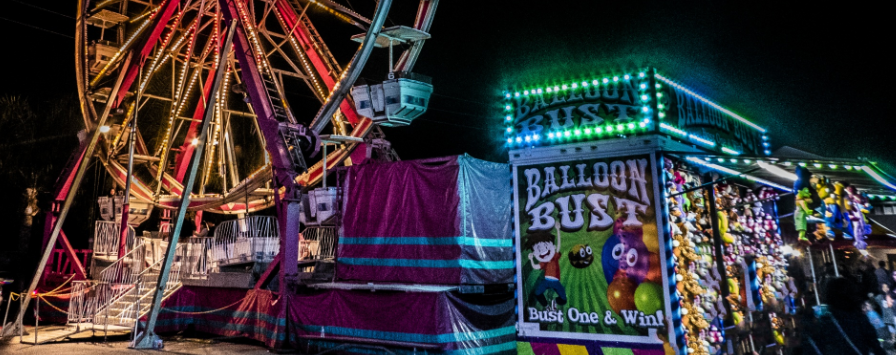
Efficient set-up and tear-down procedures are crucial for ensuring the smooth operation of any event featuring funfair attractions. Whether you’re planning an event with fairground rides, fairground side stalls and games, or anything else, understanding the processes involved is key to success. Here, we outline the essential steps for a hassle-free set-up and tear-down of various attractions.
Initial Planning:
Before the event, conduct a thorough site inspection to assess space, ground conditions, and access routes. This is critical for planning the layout of funfair rides, games and attractions.
We will also ensure that all equipment and attractions comply with safety standards and regulations. This includes checking for any potential hazards on-site and planning for emergency access.
Set-Up Process
Follow the manufacturer's instructions precisely. This often requires specialised equipment and trained personnel, especially for larger attractions like Ferris wheels or rollercoasters. Begin assembly with structural components, followed by mechanical systems, and finally, aesthetic elements.
Position rides and games according to your event layout, ensuring they're evenly distributed and accessible. Secure them firmly and connect any necessary power or water supplies. Establish electrical connections for rides, games, and food stands, following all safety guidelines to prevent overloading circuits. Arrange for water connections if required by any of the attractions.
Once set up, conduct comprehensive safety checks. Test ride operation, game functionality, and food equipment to ensure everything is in working order.
Tear-Down Process
-
Power Down: Safely disconnect all electrical and water supplies before starting the tear-down. Ensure all attractions are emptied of guests and securely powered down.
-
Dismantling Rides: Begin dismantling fairground rides by reversing the assembly steps. Pay special attention to the manufacturer’s guidelines to avoid damage. Properly store all components for transport.
-
Packing Side Stalls and Game Stands: Fairground side stalls and games should be carefully emptied of any goods or prizes, cleaned, and packed. Secure all loose items and prepare for transport.
-
Site Clearance: Ensure the site is thoroughly cleared of all equipment, waste, and debris. Leave the venue in as good a condition as it was found, if not better.
-
Final Checks: Perform a final walk-through to ensure nothing is left behind and that the site is safe and clean. This includes checking for any environmental damage or hazards.
The set-up and tear-down of funfair attractions require careful planning, attention to detail, and adherence to safety procedures. By following these guidelines, you can ensure your event runs smoothly from start to finish, providing a safe and enjoyable experience for all attendees. Remember, the success of your event hinges not just on the attractions themselves but on the professionalism and efficiency of their operation!
Set-up and Take-down Sit Inside a Bigger Event Schedule
Installing a funfair ride is only one part of the event build. Transport arrival times, vehicle access, ride positioning, power provision, inspections and surrounding infrastructure all need to fit into the wider programme.
Event Planning and Logistics FAQs provides further guidance on coordinating these practical elements when planning fairground rides alongside other event equipment.
Plan How the Ride Will Reach Its Position
Before installation can begin, the equipment has to reach the correct part of the venue. Access for ride transport can therefore influence the order in which an event site is built.
How Are Funfair Rides Transported? looks more closely at the movement of mobile amusement equipment between sites and the practical considerations surrounding arrival and departure.
Confirm the Ride Position Before the Build Starts
Changing the location of major equipment after installation has begun can create unnecessary disruption. The proposed position should therefore be considered within the wider site plan before the attraction is built.
How to Place Funfair Rides Around the Site covers factors such as surrounding attractions, visitor circulation and event layout. Where larger rides are being considered, equipment-specific space requirements should also be confirmed in advance.
For examples, see How Much Space Is Needed for Ferris Wheel Hire? and How Much Space Is Needed for Dodgems Hire?.
Keep Build Areas Separate from Visitors
Set-up and take-down involve a working environment that is very different from the public event itself. Vehicle movements, equipment installation and other operational activity may be taking place while the venue is otherwise being prepared.
How to Use Crowd Barrier Fencing at Events provides related guidance about organising pedestrian areas and using barriers within an event site.
Power Provision Needs to Fit the Set-up Sequence
Powered attractions also need the appropriate electrical arrangements to be incorporated into the build. Power should not be treated as an isolated consideration that is only addressed immediately before the event opens.
How Are Funfair Rides Powered? explains more about ride power systems, while Fairground Electrical Safety Regulations covers the wider electrical safety considerations associated with fairground equipment.
Installation Is Followed by Checks, Not Immediate Public Use
Completing the physical build is not the same as opening the ride to passengers. Inspection and operational checks form separate parts of preparing amusement equipment for use.
How Funfair Rides Are Tested for Safety provides background on formal ride testing, while Daily Safety Checks for Funfair Rides looks at routine checks associated with normal operation.
What Is the ADIPS Scheme? provides additional context about the amusement-device inspection system.
Weather Can Change the Build Programme
Outdoor event schedules need enough flexibility to respond when conditions change. Weather can affect installation, operation and the timing of dismantling, depending on the equipment and circumstances involved.
How to Prepare Funfairs for Adverse Weather considers the wider planning implications, while How to Keep Funfair Rides Safe in Windy Conditions focuses specifically on wind.
Risk Assessment Covers More Than the Open Event
Some hazards exist during the build and breakdown periods rather than while visitors are using the attraction. Event planning should therefore consider the complete period for which ride equipment, transport and personnel are present on site.
How to Perform a Funfair Ride Risk Assessment looks at the broader assessment of equipment, people, site conditions and event operations.
The Set-up Phase Ends with a Handover into Operation
Once an attraction is ready for use, the focus moves from installation to passenger operation. Loading procedures, ride restrictions, queue management and operator instructions then become increasingly relevant.
How to Safely Load Funfair Rides looks at the passenger-loading stage, while How to Manage Queues at Funfairs covers the surrounding waiting areas.
Take-down Should Be Planned Before the Event Opens
Breakdown is easier to manage when departure has been considered from the outset. Organisers may need to think about the order in which rides and supporting equipment leave the venue, how vehicles regain access and what other contractors will still be working nearby.
How to Assemble and Dismantle Funfair Rides provides related reading specifically about the assembly and dismantling of amusement equipment, while How Are Funfair Rides Transported? covers the next stage once equipment is ready to leave.
Keep Emergency Access in Mind During the Build
Temporary event layouts can change substantially between an empty venue, the build period and the finished funfair. Emergency planning should therefore account for how the site is actually arranged at each relevant stage.
Funfair Emergency Planning & Crisis Management looks at advance planning for incidents, while What to Do in a Funfair Emergency covers the response once an emergency is taking place.
More Guidance for Planning a Funfair Build
For further information about ride safety, transport, weather, site layouts and event operations, browse our Guides. How to Ensure the Safety of Your Guests at Your Funfair is also useful once planning moves from the build phase to the public event itself.
If you are arranging fairground and funfair hire, contact us to discuss access, equipment requirements and the practical timetable for your venue.