Common Factors in Funfair Injuries
When you're hosting a fun event, the safety of your funfair rides is high on your list of priorities. You want all of your guests to have an amazing time, but you also want to make sure everyone stays happy and safe on the big day.
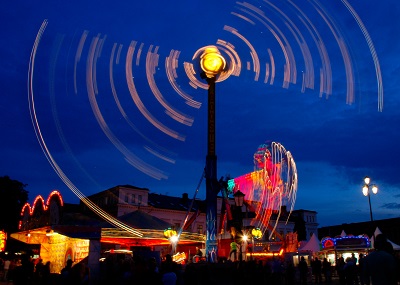
There are a few common causes of funfair ride injuries, and unfortunately accidents do happen when the correct precautions are not followed.
In this article, find out about some of the common causes of funfair ride injuries, and learn how to avoid accidents and mishaps at your next fairground celebration.
1. Lack of safety checks
The main cause of funfair ride injuries is the lack of safety checks for individual rides or games. When fairground rides are properly inspected by trusted professionals, they are safe, fun and exciting! However, a lack of correct checks can mean that accidents occur.
Every single ride at your funfair or fairground needs regular checks. It's not enough to inspect the ride once, it needs to be constantly updated to avoid any injuries or accidents.
2. Electrical issues

These days, most fairground rides rely on electrical wiring to stay in action. When these rides experience electrical problems, it can affect everything from the brakes to the safety procedures.
Electrical wiring in funfair rides needs to be checked on a regular basis, as this can cause carts to bump into each other or even mean that the brakes don't work on your rollercoaster, Ferris wheel or bumper cars.
3. Untrained staff

A common cause of funfair ride injuries is the lack of trained staff on-hand to help with any problems.
Each ride has its own safety regulations, such as seat belts or guest instructions. If staff don't have the right training, it can lead to serious accidents.
4. Failure to protect guests
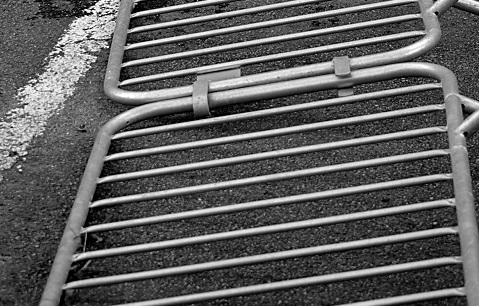
A fairground is a busy place! One of the most common causes of funfair ride injuries is the lack of signs or safety precautions around the fairground.
You might need to use barrier fencing to stop guests from heading to a dangerous part of the funfair or you could try out height bars to keep little ones away from rides that are just for adults.
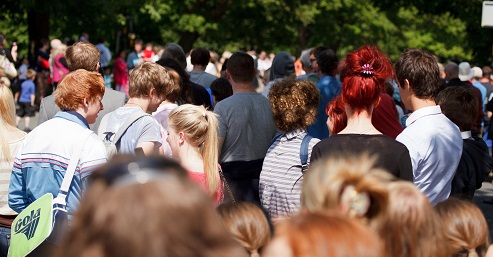
When it comes to funfair rides, choosing the right place for your entertainment is so important!
At We Are Tricycle, we are your trusted fairground rental experts. We pride ourselves on providing legendary funfair rides that are completely safe for every single guest.
All of our fairground rides and funfair stalls are regularly inspected by our maintenance staff and we want you to have full peace of mind on the big day.
From nostalgic carousels to thrilling dodgems, our funfair rides are checked, insured and awarded all the necessary safety certificates. We adhere to the ADIPS scheme and are fully insured, with risk assessments and method statements available on request.
Please contact us now to find out more about our carnival and funfair rides and games for hire or get in touch for lots of tips and tricks for your next local funfair or exciting fairground celebration.
Understanding Where Funfair Injuries Can Come From
When people think about funfair injuries, they often imagine a dramatic mechanical failure. In reality, the causes can be much broader and may involve passenger behaviour, slips and trips, incorrect loading, unsuitable use of an attraction, changing weather, poor queue management or problems elsewhere on the event site.
That is why it is useful to look at funfair safety as a system rather than focusing on one single risk. Our Are Fairground Rides Safe? guide provides a broad introduction, while What Are the UK's Safety Standards for Fairgrounds? explains more about the wider safety framework surrounding fairground rides.
Passenger Behaviour Can Be a Significant Factor
Some incidents arise because riders do not follow instructions. Standing when they should remain seated, interfering with restraints, leaning outside the intended riding position or ignoring operator directions can all increase risk.
This is especially relevant on thrill and white knuckle funfair rides, roller coasters and other attractions where riders experience greater movement or acceleration. Our How to Stay Safe on Roller Coasters guide looks at passenger behaviour in more detail.
Incorrect Loading or Unloading Can Create Problems
The period before and after a ride cycle is another important point. Passengers need to board in the correct way, take the appropriate seating position, allow restraints to be checked where applicable and wait until the operator indicates that it is safe to leave.
How to Safely Load Funfair Rides explains this process in more detail. Queue design also matters, particularly where incoming and outgoing passengers could otherwise cross one another, so How to Manage Queues at Funfairs is useful related reading.
Slips, Trips and Falls Can Happen Away From the Ride
Not every injury associated with a funfair involves the attraction itself. Uneven ground, wet surfaces, cables, temporary structures, poorly positioned furniture and crowded pedestrian routes can all create ordinary event-site hazards.
This is why organisers should consider the whole venue, not just individual rides. How to Place Funfair Rides Around the Site looks at attraction positioning, while How to Use Crowd Barrier Fencing at Events covers the management of pedestrian and operational areas.
Weather Can Change the Risk Profile of an Event
Rain, wind, heat and changing ground conditions can all affect how an event operates. A route that is straightforward in dry weather may become slippery after sustained rain, while strong wind can affect the operation of certain outdoor attractions.
Our How to Prepare Funfairs for Adverse Weather guide covers this wider subject, while How to Keep Funfair Rides Safe in Windy Conditions focuses specifically on wind. For wet-weather questions, see Rainy Weather FAQs.
Using a Ride That Is Not Suitable for the Passenger
Another potential factor is rider suitability. Different attractions have different operating requirements, which can include height limits, restraint fit and health-related restrictions.
These requirements should not be treated as optional. Why Do Some Funfair Rides Have Height Restrictions? explains the reasoning behind height limits, while Funfair Ride Health Restrictions and the Equality Act looks at health and accessibility considerations in more depth.
Where a rider does not meet the legitimate requirements of an attraction, the operator may have to prevent access. Refusing Access to Funfair Rides explains why that can sometimes be necessary.
Children Need Age-Appropriate Attractions and Supervision
Family events introduce their own considerations because younger guests may not always understand instructions or recognise risk in the same way as adults. Choosing attractions suitable for the expected age range and maintaining appropriate supervision are therefore important.
Our children's fairground rides and attractions include options designed for younger audiences, while How to Keep Children Safe at Fairgrounds provides further guidance for parents and organisers.
Mechanical and Structural Problems Are Only One Part of the Picture
Mechanical issues can contribute to risk, but amusement rides are also subject to inspection, maintenance and operational checks designed to identify problems before they become serious.
For readers interested in the engineering side, see How Funfair Rides Are Tested for Safety, What Is the ADIPS Scheme? and Non-destructive Testing of Funfair Rides.
Ongoing upkeep is covered separately in Funfair Ride Periodic Maintenance, while Daily Safety Checks for Funfair Rides looks at routine operational checks.
Electrical Problems Need Their Own Safety Controls
Many amusement attractions rely on electrical systems for motors, controls, lighting and safety functions. Electrical faults or poorly managed site power can therefore create hazards that are distinct from the mechanical structure of the ride.
Fairground Electrical Safety Regulations covers this subject in more detail, while How Are Funfair Rides Powered? explains some of the ways attractions receive the power they need to operate.
Crowding Can Create Risks Even When the Ride Is Operating Normally
A popular attraction may draw large numbers of people into a relatively small area. If queues spill into walkways or spectators gather around entrances and exits, the resulting congestion can create problems even when the ride itself is functioning correctly.
This can be particularly important at festival hire, council and local authority events and other high-footfall public events. Thoughtful queue layouts, clear routes and suitable crowd barrier fences can help organisers keep activity areas more orderly.
Fatigue and Heat Can Affect Guests Too
During long summer events, visitor comfort can become part of the safety picture. Dehydration, prolonged standing and excessive heat can leave people feeling unwell, particularly at busy outdoor events.
Organisers may therefore want to provide refreshments, seating and relax and chill out zones. Our How to Keep Funfairs Comfortable in the Summer guide contains more practical advice for warmer conditions.
Not Every Ride Stop Means an Injury Has Occurred
It is also important not to confuse a ride stopping with an accident. An attraction may pause because of an operator decision, a loading issue, a safety system, weather conditions or another situation that needs checking.
What Causes a Funfair Ride to Stop? explains several of these possibilities and why a temporary stop can be part of responsible operation.
Good Risk Assessment Looks at Several Causes Together
The common thread through many funfair incidents is that risk rarely exists in isolation. Passenger behaviour, equipment condition, weather, crowd flow and site design can all interact.
Our How to Perform a Funfair Ride Risk Assessment guide explains how organisers can consider hazards systematically instead of focusing on one dramatic scenario. How to Ensure the Safety of Your Guests at Your Funfair provides additional guidance from the wider event-management perspective.
More Information on Preventing Funfair Injuries
If you are researching this subject because you are planning an event, useful related pages include How We Are Tricycle Protects Your Health And Safety, Health and Safety FAQs and Funfair Testing FAQs.
Our Guides section contains further information about testing, maintenance, accessibility, loading, weather, queues and event planning. If you are arranging fairground and funfair hire for company fun days and corporate events, schools, festivals or public events, contact us to discuss your requirements.