How to Keep Children Safe at Fairgrounds
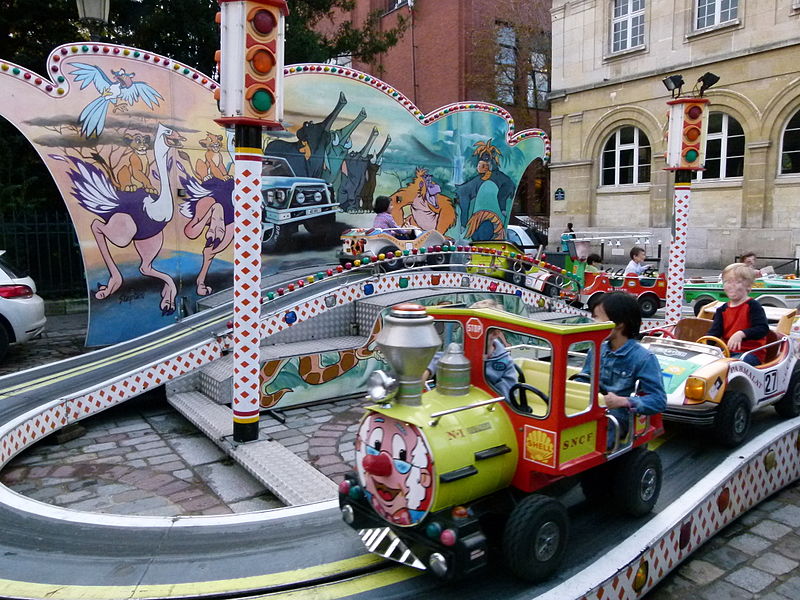
Fairgrounds are hugely exciting places for children especially if it’s their first time there, it really is a magical experience. The lights, whirring of the funfair rides and the aroma of the fairground foods in the air, you get that nostalgic feeling just thinking about it. With all the excitement in the air it’s an eye must be kept on little ones who must be kept safe.
The good news is fairgrounds are very safe events with few incidents recorded annually, so if everyone is doing everything correctly and safely there will be no issue. It’s meant to be a fun day so ride operators will take all precautions to make sure they’re doing their bit but you can help too.
It’s worth keeping in mind that fairgrounds do contain big powerful rides so all safety procedures and warnings must be followed. They are fast moving and unpredictable in direction, which is why safety procedures are in place to keep the public at a distance that they can enjoy spectating the rides from.
Rides are maintained to a rigorous standard with safety checking strict and frequent and follow guidelines from the Amusement Devices Inspection Procedures Scheme (ADIPS). If all guidelines are being followed the actual ride is safer than getting in a car.

But if you are still wary, we understand, so here are a few things you can be mindful of when visiting the funfair:
- Properly organised fairgrounds are run by members of one of two recognised trade association Showman's Guild of Great Britain (SGGB) and British association of Leisure Parks, Piers and Attractions (BALPPA). All should be carrying identification cards that confirm this and thus you can be confident that everything is being run to the ADIPS standards
- Observe the operators, do they give you the impression they are concentrating on the job in hand? They likely are, but if something doesn’t seem as professional as it could be don’t take the risk.
- Warning signs, restricted areas and crowd barrier fences must be observed at all times even when a threat doesn’t look obvious. They are all there for a very good reason, the vast majority of injuries caused at fairgrounds are through people not observing warnings.
Height restrictions are not a suggestion they are a requirement. Yes it can be frustrating when a child wants to go on a rollercoaster they are too short for, but safety must come first.
- Make sure your kids know how important it is to sit properly and wear their seatbelts when required.
With all this in place plus a properly run fairground your day will be one of fun and laughter, one to look back on fondly as a great family day out!
We Are Tricycle always adhere to the most stringent safety standards. Please contact us for more information.
Helping Children Enjoy Fairgrounds Safely
Fairgrounds are designed to bring together movement, colour, games and attractions for a wide range of ages, but younger visitors naturally require a different level of supervision from adults. Keeping children safe is not simply about choosing a suitable ride. It also involves planning how families move around the site, understanding attraction restrictions, supervising children between rides and making sure they know what to do if they become separated from their parent or carer.
For a broader explanation of amusement ride safety, see Are Fairground Rides Safe?. Parents and event organisers may also find Health and Safety FAQs useful for questions covering the wider fairground environment.
Choose Attractions for the Child, Not Just Their Age
Children develop confidence at different rates. One child may be eager to try something fast-moving while another of the same age would much rather ride a carousel or play a traditional fairground game. A good family funfair gives children choices rather than making every attraction progressively faster or more challenging.
Our children's fairground rides and attractions include gentler options alongside children's thrill rides. Families might choose attractions such as the Children's Victorian Carousel, Tea Cups Funfair Ride, Flying Elephants or Monster Trucks Merry Go Round, depending on the event and individual attraction requirements.
Height Restrictions Are Safety Requirements
A child being tall enough to see over a barrier does not necessarily mean they are eligible to use every attraction. Height restrictions can relate to the design of the ride, its seating or restraint system and the way passengers are intended to be accommodated.
How Tall Do Children Have to Be for Fairground Rides? explains the practical side of these requirements, while Why Do Some Funfair Rides Have Height Restrictions? looks at why restrictions exist.
Checking these requirements before joining a long queue can also avoid a disappointing conversation when a child reaches the loading point.
Never Encourage a Nervous Child to Hide Their Concerns
Being technically permitted to ride does not mean a child will necessarily enjoy the attraction. Fairgrounds can be busy environments, and lights, movement, sound and the appearance of a large ride can feel very different when a child reaches the front of the queue.
If a child changes their mind, adults should take that seriously rather than treating fear as something that has to be overcome immediately. How to Help Nervous Children with Funfair Rides looks specifically at helping younger visitors approach attractions at a pace that suits them.
Supervision Matters Between the Attractions Too
Parents naturally pay attention when a child is actually on a ride, but much of a visit to a fairground is spent walking between attractions. Children can become distracted by lights, prizes, food stalls and rides, particularly at a large or busy event.
Adults should therefore keep track of children throughout the site rather than relying on them to follow independently. This becomes particularly important at large festival hire, council and local authority events, school celebrations and public fun days where there may be several different activity zones.
Agree What to Do If You Become Separated
For children old enough to understand, it can be useful to agree in advance what they should do if they lose sight of their parent or carer. The appropriate procedure will depend on the event, but children should know that running around the site trying to find an adult can make reunification more difficult.
Event organisers can support families by making staff and key locations identifiable and by thinking about visitor movement when planning the site. How to Place Funfair Rides Around the Site contains further information about organising attractions and circulation routes.
Queues Need Active Parental Supervision
A queue can look like a relatively controlled environment, but younger children may duck beneath barriers, move away to look at another attraction or become impatient during a longer wait. Parents and carers remain responsible for supervising children while they are queuing.
From the organiser's perspective, clearly defined entrances, exits and waiting areas make this easier. How to Manage Queues at Funfairs looks at queue design in detail, while queue busters and waiting area games can provide additional options for events where longer waits are anticipated.
Loading Is the Point to Listen Carefully
When children reach the front of a queue, excitement can easily take over. This is also the moment when instructions from the operator are particularly important.
Children should board only when directed, use the intended seat or riding position and follow instructions concerning restraints. Parents should not attempt to override an operator's directions simply because a child has previously used a similar attraction elsewhere.
How to Safely Load Funfair Rides explains the boarding and unloading process in more detail.
Children Should Understand That Restraints Are Not Toys
Where an attraction uses a restraint, it forms part of the way the passenger is accommodated on that particular ride. Children should not play with, loosen or attempt to interfere with restraints during operation.
Likewise, they should remain in the intended riding position and keep hands, arms and legs where instructed. These rules can vary according to the attraction, which is why the operator's instructions should take precedence over assumptions based on another ride.
Parents Should Follow Operator Instructions Too
Good behaviour around children's rides is not solely the child's responsibility. Adults can make the process easier by listening to instructions, avoiding arguments over legitimate restrictions and allowing operators the time required to load and unload passengers properly.
There may occasionally be circumstances in which an operator cannot permit a child or adult to ride. Refusing Access to Funfair Rides explains why access may sometimes have to be declined, while Funfair Ride Health Restrictions and the Equality Act provides related information about health conditions and accessibility.
Games Can Provide a Break Between Rides
A family day at the fairground does not need to mean moving continuously from one ride to another. Mixing rides with lower-intensity activities can provide natural breaks, particularly for younger children.
carnival games and fairground side stalls and games provide plenty of alternatives. Traditional choices include Hook A Duck Side Stall, Tin Can Alley Side Stall and Hoopla Side Stall, while garden games can work well at larger family events with dedicated activity areas.
Build Rest Periods into a Long Day
Tired children can become less attentive and more likely to wander or ignore instructions. At longer events, regular breaks for food, drinks and rest can therefore be useful for both comfort and supervision.
Event organisers can support this by incorporating picnic benches or relax and chill out zones away from busy ride entrances. Separating quieter spaces from the most active attractions also gives families somewhere to regroup.
Hot Weather Requires Extra Planning for Children
Summer fairgrounds can involve prolonged periods outdoors, queues in direct sunlight and a great deal of physical activity. Children may not always recognise that they are becoming too hot or need a drink.
Adults should therefore consider hydration, shade and breaks throughout the day. Organisers can find more event-specific information in How to Keep Funfairs Comfortable in the Summer.
Rain Creates a Different Set of Considerations
Wet weather does not necessarily mean that every part of a fairground has to stop, but rain can alter ground and pedestrian conditions. Families should take additional care when walking between attractions and follow any instructions issued by operators or event staff.
See Rainy Weather FAQs and How to Prepare Funfairs for Adverse Weather for more information about changing weather conditions.
Children's Safety Starts with the Event Layout
For organisers, creating a family-friendly fairground begins long before visitors arrive. Thought should be given to pedestrian circulation, queues, entrances and exits, attraction positioning, seating and the relationship between children's activities and larger rides.
crowd barrier fences can be useful for defining particular operational and pedestrian areas where appropriate. Our guide to How to Use Crowd Barrier Fencing at Events explains their role in greater detail.
Family Events Benefit from a Mix of Attraction Sizes
When planning an event aimed at children and families, filling the site exclusively with major rides is rarely necessary. A mixture of small funfair rides, traditional attractions, games and suitable family rides can give different ages something appropriate to do.
For example, an event could combine the Mini Ferris Wheel, Mini Chair o Planes and Go Gator Children's Roller Coaster with games and other activities. Ideas for Children's Fairground Rides and Ideas for Family Friendly Funfairs provide further inspiration for planning the attraction mix.
Safety Checks Take Place Before Children Board
Parents see only a small part of the work involved in operating an amusement attraction. Inspection, maintenance and operational checks take place outside the passenger's ride cycle as part of the wider safety process.
If you would like to understand that side of fairground operation, read Daily Safety Checks for Funfair Rides, How Funfair Rides Are Tested for Safety and What Is the ADIPS Scheme?.
More Advice for Parents and Family Event Organisers
Children's fairground safety involves several overlapping considerations, from choosing an appropriate attraction to supervising children while walking around the venue. Useful related reading includes How to Ensure the Safety of Your Guests at Your Funfair, Common Factors in Funfair Injuries and What Causes a Funfair Ride to Stop?.
You can find further practical information in our Guides, including advice about ride safety, weather, accessibility, queues, site planning and attraction operation.
If you are planning fairground and funfair hire for a school, community celebration, festival, family fun day or private event, contact us to discuss suitable rides, games and attractions for your audience.