How to Safely Load Funfair Rides
If you're hosting a fairground event or local community funfair, it's important to understand how to safely load all of your funfair rides.
There are a few fairground rides that need to be loaded in a specific way in order to be safe for everyone at your next event.
One of the main ways to safely load funfair ride is to make sure all staff are fully-trained. If event organisers and ride attendants do not understand how to load different types of fairground ride, they are likely to make mistakes that can cause accidents. It is important to ensure you choose a fairground or funfair rental and operation company that hires highly-trained specialists.
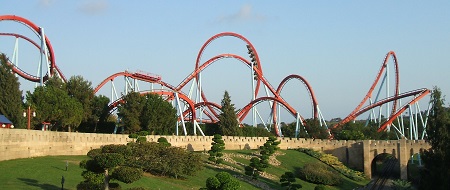
It is also important to make sure that height restrictions are in place for dangerous rides. Many roller coasters are not suitable for young children due to their speed or seatbelt and harness issues. You may also need to ask your guests a few questions before they get on the funfair ride to ensure they are not currently suffering with a condition or are physically vulnerable. This might involve ensuring that people who have heart conditions, are pregnant, have broken bones or any of a number of health problems do not board the attraction.
By limiting who can use a certain ride, you will make sure everyone at your fairground has a fantastic time!
When safely loading your funfair ride, possessions should be left off the ride to make sure nothing falls out of the amusement while it is in action. This can become potentially dangerous for people on the ground, especially if these belongings are particularly heavy.
Each ride will have its own rules when it comes to loading passengers. Many children's funfair rides need smaller guests in one place and larger guests in another in order to keep the ride completely balanced and safe throughout its journey.
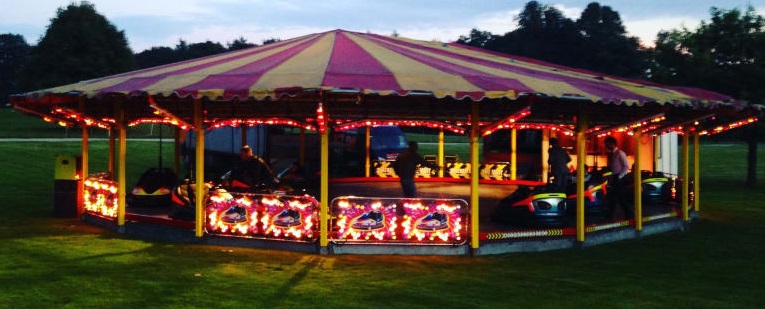
For all funfair rides, passengers should be told exactly where to put their arms, legs, hands and feet. Even if this is a slow or short ride, it can be potentially dangerous to put a hand over the side of the ride, and everyone needs to be aware of the rules before taking the ride to safely load it every single time.
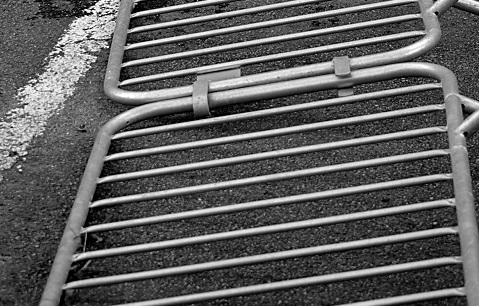
When safely loading a funfair ride, it is easy to forget about those who are helping to run the ride. Although passengers are at great risk if a ride is not properly loaded, those loading the ride must also make sure to be in a safe place when the ride is in action. Likewise, guests should always stand in designated spaces throughout the fairground to make sure they stay away from fast-moving vehicles or dangerous spots. Use crowd barriers and fencing to achieve this.
At We Are Tricycle, all of our fairground staff are experienced at loading different types of funfair rides.
Whether you're hiring a Ferris wheel or the thrill freak out ride, our entertainment specialists will attend your event and will make sure everyone is loaded safely at your party or event.
Contact us now to find out how to safely load your funfair or fairground rides or hire one of our fun entertainment rentals for your next community celebration or special occasion.
Safe Loading Is the Handover Between the Queue and the Ride
Before a funfair ride begins moving, there is a short but important period when passengers leave the queue, enter the attraction, take their places and prepare for dispatch. Good loading procedures make that transition orderly and give operators the opportunity to confirm that riders are positioned appropriately before the ride cycle starts.
This stage comes after the wider queue-management process covered in How to Manage Queues at Funfairs. Once guests reach the front of the line, the focus changes from managing a crowd to managing the passengers who are about to use the attraction.
Wait Until the Operator Invites You to Board
Passengers should not enter a ride simply because the previous cycle appears to have stopped. Operators may still be unloading guests, checking cars or preparing the attraction for its next cycle.
Clear instructions help prevent incoming and outgoing riders from meeting in the same space. This is especially important on attractions with multiple cars or seating positions, such as dodgems, roller coasters and Ferris wheels.
Event organisers can support this process by providing suitable access around the attraction. How to Use Crowd Barrier Fencing at Events explains how queues, entrances, exits and public walkways can be separated within a busy event site.
Every Ride Loads Passengers Differently
There is no universal boarding procedure for every attraction. The way passengers enter a Traditional Victorian Carousel bears little resemblance to boarding Modern Dodgems, while a Pirate Ship has another seating and restraint arrangement entirely.
The correct procedure therefore comes from the individual attraction and its operating requirements. This is another reason riders should listen to the operator rather than assume that familiarity with one fairground ride means they already know how another should be boarded.
Allow People to Sit and Position Themselves Properly
Boarding is not a race. Passengers need enough time to enter the vehicle or seat and assume the intended riding position. Children may need additional guidance, and some guests may naturally take longer to get into place.
At family events containing children's fairground rides and attractions, parents and carers should follow the instructions given for the particular ride rather than trying to speed up the loading process themselves.
Our How to Keep Children Safe at Fairgrounds provides broader guidance for events where younger guests make up a significant part of the audience.
Restraints Need to Work as the Ride Was Designed
Where an attraction uses restraints, passengers should allow them to be positioned and checked as required. Riders should never attempt to defeat, loosen or alter a restraint because they think it feels unnecessary.
The type of restraint used depends on the attraction. A gentle family ride and a fast-moving thrill and white knuckle funfair ride may have very different requirements because passengers experience different movements and forces.
Funfair Ride Health Restrictions and the Equality Act provides related information about passenger suitability, while Refusing Access to Funfair Rides explains why an operator may sometimes decide that somebody cannot safely use an attraction.
Loose Items Should Be Dealt With Before Dispatch
Phones, bags, bottles and other loose possessions can become problematic on moving rides. Guests should follow any instructions about removing or storing items before the attraction starts rather than trying to secure them once the ride is already moving.
The same principle applies to clothing and accessories where the operator gives specific instructions. The loading stage is the appropriate time to resolve these issues because the attraction is stationary and staff can communicate directly with passengers.
The Operator Needs Time to Complete the Final Check
Once passengers are seated, the ride should not simply be dispatched immediately because everybody appears ready. The operator may need to check seating, restraints, gates or other relevant parts of the loading area before beginning the cycle.
These operating checks sit alongside the wider routine inspection processes described in Daily Safety Checks for Funfair Rides. They perform different roles: one concerns the condition and readiness of the equipment, while the other concerns the passengers taking part in the current ride cycle.
Height and Rider Restrictions Should Be Resolved Before Dispatch
A loading platform is not the right place to argue about whether a restriction should apply. Where an attraction has height or other passenger requirements, they need to be followed consistently.
Parents can read How Tall Do Children Have to Be for Fairground Rides? and Why Do Some Funfair Rides Have Height Restrictions? for more information about why these limits exist.
Where possible, communicating restrictions before guests reach the front of the queue can also prevent disappointment after a long wait.
Loading a Dodgem Is Different from Loading a Roller Coaster
Ride design changes the passenger-loading process considerably. Dodgem riders enter individual cars within a defined arena, whereas coaster passengers usually enter a train or vehicle at a dedicated loading point. Carousels, Chair O Planes and other attractions introduce their own procedures.
For more ride-specific information, How Are Dodgems Safe? looks at the controlled environment surrounding bumper cars, while How to Stay Safe on Roller Coasters covers passenger behaviour and restraints on coasters.
Accessible Loading Needs Thoughtful Event Planning
Some passengers may need additional time or information when boarding. An inclusive approach should allow legitimate access needs to be considered without bypassing the operating requirements of the ride.
Our Disabled Accessibility and Inclusivity at Funfairs & Fairgrounds guide looks at this subject from the perspective of the complete event, including circulation and attraction access.
Good site design can help by keeping ride entrances clearly identifiable and preventing surrounding crowds from making loading areas unnecessarily difficult to navigate.
Do Not Begin Unloading Until the Ride Has Finished
The passenger cycle also includes getting off safely. Guests should remain seated until the attraction has completed its cycle and the operator indicates that they may leave.
Once passengers exit, they should be able to move away from the attraction without immediately crossing the incoming queue. This is where careful site design and barrier placement support the ride operator's own procedures.
Efficient Loading Does Not Mean Rushing Passengers
Throughput matters at busy events, but there is a difference between an organised loading process and rushing. Clear instructions, orderly queues and passengers who are ready to board can help an attraction operate efficiently without reducing the time needed for appropriate checks.
This is particularly relevant at festival hire, council and local authority events and other high-footfall events where popular attractions may operate continuously for long periods.
Loading Procedures Belong in the Wider Event Risk Assessment
Passenger loading should be considered when an event is being planned rather than only after the attraction arrives. Organisers may need to think about queue locations, ride entrances, exits, accessible routes and the space required around the operating area.
Our How to Perform a Funfair Ride Risk Assessment guide explains the wider risk-management process, while How to Place Funfair Rides Around the Site looks specifically at arranging attractions within a venue.
More Guidance About Operating Funfair Rides Safely
If you are interested in what happens before passengers reach the loading platform, see How to Assemble and Dismantle Funfair Rides and How Funfair Rides Are Tested for Safety. For the wider regulatory context, What Are the UK's Safety Standards for Fairgrounds? provides additional background.
You can also read How We Are Tricycle Protects Your Health And Safety or browse our Guides for further information about ride operation, testing, accessibility, queues, weather and event planning.
If you are arranging fairground and funfair hire for company fun days and corporate events, schools, festivals, community celebrations or another event, contact us to discuss the attractions and practical requirements of your site.