How tall do children have to be for fairground rides?
At We Are Tricycle, we are proud to offer a wide range of funfair rides and attractions for children of all ages. Whether your kids are toddlers or teenagers, we have something for everyone. However, it is important to note that some funfair rides and games do have height restrictions for safety reasons.
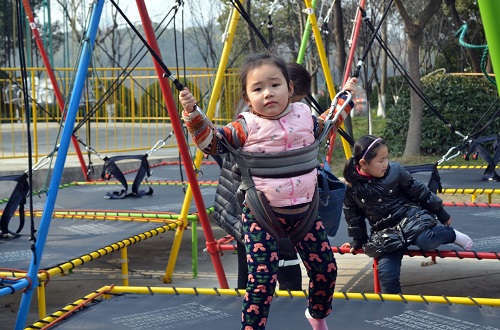
For the younger children, we recommend our carousels, smaller Ferris wheels, trampolines, flying elephants, paddle boats, and children's roller coasters. These children's funfair rides are specifically designed for little ones, and parents can often ride with their children to keep them safe.
For the older kids and teenagers, we have more exciting and thrilling white knuckle rides like the Booster and Reverse Bungee. These rides have height restrictions, and your child must be the minimum height to ride. This is to ensure that your child is safe and is accordance with manufacturer guidelines and UK fairground health and safety standards.
It’s important to respect these restrictions, as we want to ensure that your children have a fun and safe experience on our rides. Please don't argue with funfair ride operators - their hands are tied, even if you verbally admit liability.
Our Favourite Children's Fairground Rides

But funfairs and fairgrounds are made for children, so there's plenty to be enjoyed by even the youngest attendees at your event. Check out some fairground
Trampolines: Fun and energetic, trampolines are a classic fairground attraction, allowing kids to jump and bounce to their heart's content.
Mini Ferris Wheels: A miniature version of the classic Ferris wheel, mini Ferris wheels provide a fun and gentle ride, offering kids a bird's eye view of the fairground and beyond.
Toy Town Carousels: Colourful and playful, Toy Town carousels offer a classic fairground experience with children's favourite fun toys to ride on as they enjoy the merry go round..
Inflatable Bumper Cars: Bumper cars provide a fun and exciting way for kids to navigate around a designated area, bumping into each other as they go. Older kids may enjoy our Dodgems.
Flying Elephants: Inspired by Dumbo the Flying Elephant, these children's funfair rides offer a fun and exciting way for kids to take to the skies, soaring high on the back of an elephant.
Paddle Boats: A fun and leisurely way for kids to explore the water, paddle boats are a beloved fairground attraction that offer a chance to relax and soak up the sun.
Apple Roller Coasters: Thrilling and exciting, children's roller coasters offer a taste of the bigger, more intense rides, while still being safe and suitable for kids of a certain height.
Keeping Children Safe at the Funfair
We strive to provide funfair rides and attractions for children of all ages. Just make sure to check the age and height restrictions for each ride before hopping on for a fun and safe experience, and make sure you follow our other advice for keeping children safe at fairgrounds.
You can also browse our wide range of guides and information sheets about funfair and fairground safety.
If you have any related questions, check out our fairground health and safety guides, or contact us to speak with our team.
There Is No Single Height Requirement for Every Fairground Ride
Children do not need to reach one universal height before they can use fairground rides. The requirement depends on the individual attraction, its seats and restraints, the way passengers are positioned and the conditions under which that particular ride is operated.
A small children's fairground ride may be designed specifically for younger passengers, while larger family funfair attractions and rides or thrill and white knuckle funfair rides can have very different passenger requirements.
This means parents should check the information for the actual attraction their child wants to ride rather than relying on a height limit they remember from another fairground.
Why Do Fairground Rides Have Minimum Heights?
A minimum height is generally connected to whether a passenger can be appropriately accommodated by the ride and its safety systems. Restraints, seating positions and the design of the attraction are intended for passengers within particular operating parameters.
Height restrictions are therefore not simply a method of deciding whether a child is old enough or brave enough for a ride. Our Why Do Some Funfair Rides Have Height Restrictions? guide looks more closely at the reasons these requirements exist.
Age and Height Are Not Interchangeable
Two children of the same age can differ considerably in height, which is one reason an age alone may not determine whether somebody can use a particular ride. Equally, being tall for their age does not automatically make an attraction suitable for every child.
Parents and carers should use the restrictions displayed for the individual attraction and follow the instructions given by the operator.
Some Rides Have More Than One Height Threshold
An attraction may have a straightforward minimum height, but other rides can have different conditions depending on whether the child rides alone or with a suitable accompanying passenger.
For example, a child may be permitted to ride above one stated height when accompanied but need to be taller before riding independently. The exact requirements depend on the attraction, so these should always be checked at the ride itself.
Parents should not assume that an adult accompanying a smaller child automatically overrides the ride's minimum requirements.
Being Accompanied Does Not Cancel a Safety Restriction
Where a ride allows smaller children to participate with an accompanying adult, that arrangement forms part of the ride's operating requirements. It should not be interpreted as permission for any child to ride regardless of size.
If a passenger falls below the applicable minimum requirement, an operator may have to refuse access. Refusing Access to Funfair Rides explains why legitimate operating restrictions can sometimes mean somebody cannot participate.
Measure Children Properly Before Arguing About a Borderline Result
Children who are very close to a minimum height can understandably be disappointed if they cannot ride. However, standing on tiptoes, altering footwear or trying to make a child appear taller is not an appropriate way to deal with a restriction.
The operator needs to apply the requirement relevant to that attraction. Parents can make the visit easier by explaining beforehand that different rides have different rules and that being unable to use one attraction does not mean there will be nothing else suitable nearby.
Do Not Compare One Ride's Decision with Another
A child being allowed onto one attraction does not establish that they should be allowed onto the next. A Children's Victorian Carousel, Tea Cups Funfair Ride, Mini Ferris Wheel and Go Gator Children's Roller Coaster are different pieces of equipment with different operating characteristics.
Restrictions therefore need to be considered ride by ride.
Look for Suitable Alternatives Before the Child Reaches the Queue
At family events, it can help to identify several attractions that are likely to suit younger visitors rather than building the entire visit around one ride.
Our small funfair rides and children's fairground rides and attractions include equipment intended for younger audiences, alongside games and ground-level entertainment that do not create the same passenger-height considerations.
Options such as Hook A Duck Side Stall, Hoopla Side Stall and other fairground side stalls and games can provide something else to do if a particular ride is unsuitable.
Height Is Only One Part of Rider Suitability
Reaching the stated minimum height does not necessarily answer every question about whether a ride is appropriate for an individual passenger. Some attractions may also carry other operating restrictions or warnings.
Our Funfair Ride Health Restrictions and the Equality Act explains more about health-related considerations and the distinction between accessibility and legitimate safety requirements.
Anyone uncertain about whether an attraction is suitable should speak to the operator before boarding.
Children Should Be Able to Sit and Ride as Intended
Passenger behaviour remains important even when a child meets the relevant height requirement. They should be able to remain seated or positioned as instructed, use the restraint appropriately where one is provided and follow the operator's directions during loading and unloading.
How to Safely Load Funfair Rides explains more about boarding, restraint checks and the passenger cycle.
A Taller Child Can Still Be Nervous
Height suitability does not tell parents whether a child actually wants to use the attraction. A child may meet every physical requirement while still being uncomfortable with the speed, movement, noise or appearance of the ride.
Pressure is unlikely to make that experience better. How to Help Nervous Children with Funfair Rides looks at ways parents can introduce attractions gradually and respond when a child changes their mind.
Start Younger Children with Age-Appropriate Attractions
A fairground does not have to begin with its largest rides. Smaller attractions can give younger children an opportunity to become familiar with boarding, listening to an operator and experiencing controlled movement before considering something larger.
Suitable event ranges may include carousels, train rides and other children's thrill rides, depending on the specific equipment and its passenger requirements.
Ideas for Children's Fairground Rides can also help organisers and parents consider different types of attraction for younger audiences.
Family Rides Can Bridge the Gap Between Children's and Thrill Attractions
As children become taller and more confident, family attractions can provide another part of the fairground experience without necessarily moving straight to the most intensive rides.
Options can include Ferris wheels, carousels, train rides and selected other family funfair attractions and rides. Again, the restriction for the individual ride remains the deciding factor.
Height Requirements Matter at Private Events Too
Hiring an attraction privately does not remove its operating requirements. The same principle applies whether a ride is installed at a public fair, school event, company fun day, charity event or private celebration.
Event organisers should therefore avoid promising particular children that they will definitely be able to use a ride before the relevant passenger requirements have been checked.
Make Ride Restrictions Clear Before Queues Become Long
At busy events, communicating passenger requirements before somebody reaches the loading point can reduce confusion and disappointment. Guests should have a reasonable opportunity to understand which attractions may be suitable before spending a long time waiting.
This also connects with wider queue planning. How to Manage Queues at Funfairs provides further guidance on organising waiting areas and maintaining visitor movement around popular attractions.
Operators Need to Apply the Ride's Requirements Consistently
It can be frustrating when a child misses a restriction by a small amount, particularly after waiting for an attraction. However, asking an operator to ignore an applicable requirement puts them in an inappropriate position.
The restriction should be treated as part of the way the attraction is operated rather than something that can be negotiated according to how confident the child appears.
What If One Sibling Can Ride and Another Cannot?
This is a common difficulty for families with children of different heights. Planning a mixture of attractions can make the situation easier, particularly if there are games or smaller rides nearby while an older or taller sibling uses another attraction.
carnival games, garden games and indoor fairground games can broaden an event beyond mechanical rides and give families more ways to participate together.
Height Restrictions Form Part of Wider Child Safety
Checking whether a child meets the requirements of a ride is only one part of a safe fairground visit. Supervision between attractions, queue behaviour, weather, rest periods and having a plan in case family members become separated are also important.
How to Keep Children Safe at Fairgrounds covers these wider considerations, while How to Ensure the Safety of Your Guests at Your Funfair approaches safety from the event organiser's perspective.
Ride Safety Starts Before Passengers Board
The passenger restrictions seen at the entrance sit alongside other layers of amusement ride safety. Attractions are subject to inspection, operating procedures and checks that take place separately from the individual passenger assessment.
You can read How Funfair Rides Are Tested for Safety, Daily Safety Checks for Funfair Rides and What Is the ADIPS Scheme? for more information about these aspects of fairground operation.
Planning a Family Funfair with Different Age Groups
For organisers, the practical answer to differing height requirements is usually variety. An event containing attractions for several age groups gives families more choice than one dominated entirely by rides intended for taller passengers.
Ideas for Family Friendly Funfairs provides ideas for building a broader attraction mix, while How to Choose the Right Funfair Rides & Games looks at matching equipment to the audience and venue.
Check the Individual Ride Rather Than Guessing
If there is one point for parents and organisers to take from this guide, it is that there is no useful universal answer such as "children must be 1 metre tall to go on fairground rides". Different attractions can have different requirements, and some can distinguish between accompanied and unaccompanied passengers.
Check the information for the particular ride, listen to the operator and choose another attraction where the applicable requirement is not met.
More Guidance for Parents and Family Event Organisers
For further information, read Why Do Some Funfair Rides Have Height Restrictions?, How to Keep Children Safe at Fairgrounds, How to Help Nervous Children with Funfair Rides and Refusing Access to Funfair Rides.
You can also browse our Guides for more advice about fairground safety, accessibility, queues, ride operation and event planning.
If you are arranging fairground and funfair hire for an event with children of several ages, contact us to discuss an appropriate mixture of rides, games and attractions.