What is the History of the Hoppings?
One of the biggest dates for funfair hire in Newcastle or Tyne and Wear is the Hoppings. It's one of the largest traveling funfairs in Europe and has been a staple event in the North of England since way back in the aeons of time. The current incarnation, which takes place on the last week of June, dates back to an 1882 temperance fair, but even this fair continued in a local tradition that dates back until at least 1218!
Fairground legend has it that an elderly woman was thrown off the moors by locals, so she cursed the ground the Hoppings was held on, condemning it to rain during the fair forevermore. Fortunately her curse does not seem to be 100% accurate!
Taking place in in Newcastle upon Tyne, the fair is held annually on the Town Moor and attracts thousands of visitors every time. It is a vibrant and lively event that has become a tradition for many families, who return year after year to experience the excitement and thrills of the funfair.
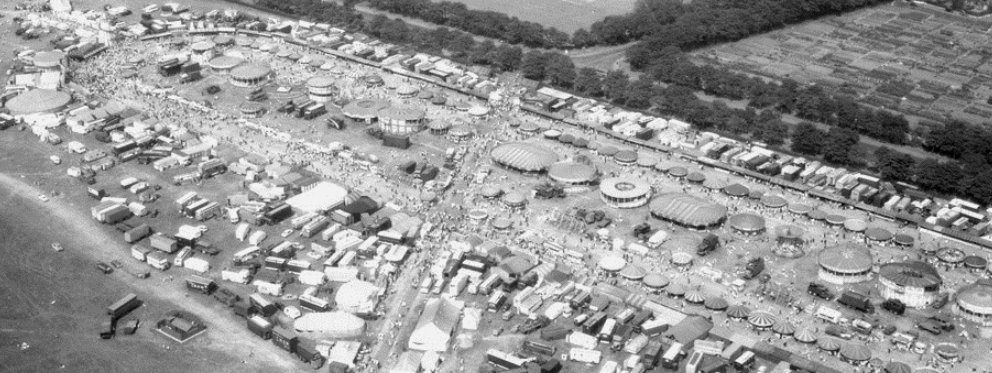
Funfair at The Hoppings
One of the defining features of The Hoppings is its vast selection of funfair rides, fairground side stalls, and family friendly attractions. From classic fairground rides like the Ferris wheel and dodgems, to the latest and greatest in thrill rides, there is something for everyone at The Hoppings. Funfair entertainment has been a staple of the event since its inception, and each year the fair attracts some of the best and most exciting funfair ride operators in the country.
The Hoppings has a rich history; previous incarnations of events on Town Moor include The Lammas Fair, The Cow Hill Fair and Race Week, which was an annual horse-racing period. When the horse races moved over to Gosforth Park Racecourse, people in the Temperance Movement seized the opportunity to provide families with some alcohol-free fun in the Town Moor instead.
Over the years, the event has evolved to become one of the largest and most popular funfair events in Europe, attracting visitors from across the UK and beyond. The fair has become a symbol of Newcastle's rich cultural heritage and traditions.
Why is The Hoppings called The Hoppings?
The etymology of The Hoppings is actually quite contested! It's thought that it might come from the word 'hoppen', which was a middle English word that means dance, jump or leap, which would reflect the merriment that people enjoyed at The Hoppings in the past.
Some have a theory that people who worked at the fair were 'hopping' from the fleas in their sack-cloths, however this might be an example of 'false-etymology,' as early photographs of the travelling funfair workers show them to be well-dressed and smart-looking.
Myths, Legends and Local Lore of The Hoppings
With more than a century of history behind it, it’s little wonder that The Hoppings has gathered its share of folklore and local superstition over the years. Beyond the bright lights and roaring engines, the event is steeped in myth – stories passed from generation to generation among showmen, fairgoers, and Newcastle locals alike.
One of the most enduring tales tells of “The Hoppings Curse.” According to local legend, an elderly woman who lived near the Town Moor was thrown off the land by residents before one of the earliest fairs. Furious, she laid a curse on the event, promising that rain would fall every year The Hoppings returned. True to the tale, fairgoers have long joked that the event simply isn’t The Hoppings unless the skies open at least once – a tradition that’s as much a part of the fair’s character as the rides themselves.
Then there’s the notorious story of “Danger Night.” As the rumour goes, the first night of The Hoppings is when rides are offered at half price because operators are secretly testing new or recently refurbished attractions on the public. Organisers have repeatedly denied this, assuring visitors that all rides are fully certified and inspected before the fair opens. Still, the tale persists, whispered each year among excited visitors waiting for the lights to flicker on and the engines to roar.
Whether these stories hold any truth or are simply part of the fair’s colourful folklore, they add an extra layer of charm to The Hoppings – blending history, humour, and a touch of mystery into one of the North East’s most beloved traditions.
The Modern Hoppings
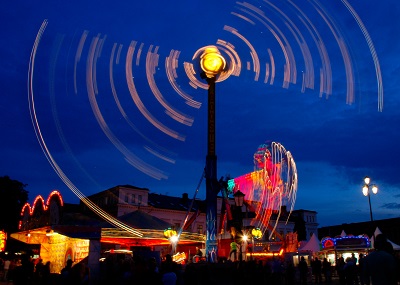
Despite its long history, The Hoppings has continued to evolve and adapt to meet the changing needs and desires of its visitors. Today, the Tyneside funfair is a vibrant and exciting event that offers something for everyone, from families with young children to thrill-seekers looking for an adrenaline rush. With its wide selection of funfair rides and attractions, and its lively and festive atmosphere, The Hoppings is a must-visit event for anyone looking to experience the magic of the funfair.
You'll see all your favourite funfair and fairground rides at The Hoppings. In 1951, the Rotor ride was introduced to the event, and in 1958 it saw its first Hook a Duck.
In recent years, The Hoppings has become increasingly popular, and can see almost half a million people visit every year.
Check out the video below to see The Hoppings in 2022, and please contact We Are Tricycle if you ever need any information about the travelling funfair. You can also read more about the history of the funfair!
The Hoppings Creates a Temporary Fairground on a Major Scale
One of the most interesting ways to consider The Hoppings is as a temporary transformation of space. For a limited period, rides, games, food stalls and supporting equipment come together to create a substantial fairground environment before the site returns to its everyday use.
This temporary character connects The Hoppings with the wider travelling tradition covered in What Is the History of the Funfair?, where mobility has played an important role in the development of British fairground entertainment.
Travelling Rides Make Large Annual Fairs Possible
A major fair depends on attractions being capable of reaching the site, being professionally set up and later moving on again. Even very large pieces of amusement equipment therefore form part of a mobile entertainment industry.
How Are Funfair Rides Transported? looks at this less visible side of fairground operation, while How to Set Up and Tear Down Funfair Rides provides further context about what happens around the operating period of a temporary fair.
The Hoppings Can Bring Contrasting Ride Experiences Together
The scale of a large fair allows visitors to encounter very different styles of attraction within the same event. High-energy rides can sit alongside family entertainment and smaller children's attractions rather than every ride serving the same audience.
big funfair rides, family funfair attractions & rides and children's fairground rides & attractions demonstrate how varied a modern fairground programme can be.
Games Fill the Spaces Between Major Attractions
The character of a large travelling fair is not created by rides alone. Side stalls give visitors shorter opportunities to participate while moving around the site and provide a different pace from queueing for larger attractions.
fairground side stalls and games includes traditional formats, while carnival games and prize games show how this part of popular fairground entertainment continues in different forms.
Temporary Fairgrounds Need Careful Use of Space
When numerous attractions occupy one site, their relationship with pedestrian routes, queues, access and neighbouring equipment becomes an important planning consideration. A large fair therefore represents not just a collection of rides but a temporary layout through which substantial numbers of visitors need to move.
How to Place Funfair Rides Around the Site examines attraction positioning, while How to Manage Queues at Funfairs looks specifically at the waiting areas created by popular entertainment.
A Traditional Fair Can Keep Changing Its Attraction Mix
The Hoppings can retain its identity even though the individual rides and games appearing there change. This allows newer amusement technology to become part of an established annual tradition without requiring the fair itself to remain fixed in an earlier period.
What Is the History of the Booster Fairground Ride?, What Is the History of the Waltzers? and What Is the History of the Dodgems? provide three examples of attraction histories that form separate threads within the much larger story of the fairground.
Compare The Hoppings with Other British Fair Traditions
The Hoppings is part of a much broader British fair culture, but individual fairs can have very different origins and traditions. What Is the History of Hull Fair?, What Is the History of the Pack Monday Fair? and What Are Charter Fairs? provide useful comparisons.
Our Guides contain further fairground history and event-planning articles. You can also browse all products or contact us about creating a temporary fairground for a modern event.