What Are Mop Fairs?
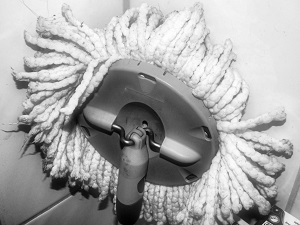
When one hears the phrase mop fair with a modern ear, you can be forgiven for picturing an event with mops of all shapes and sizes decorating a town square - and you know what? You’re not far off with that guess.
Mop fairs get their name from when towns would hold events where people would look for work, to advertise their trade shepherds would wear pieces of wool in their buttonholes, cow farmers a piece of straw and maids would hold mops - hence the nickname “Mop Fair”.
These annual events are thought to have been taking place as early on as the 1300s, so one may say it’s a British tradition that many have forgotten.
With the huge crowds that these fairs attracted, trade followed them as people always needed refreshment and entertainment. By the 19th century and the advent of the industrial revolution, mop fairs were becoming more about the fun and socialising than the serious nature of finding work. Rides like carousels and fairground stalls became a common sight at them, and that’s what we have in place of mops and straw in the modern mop fair!
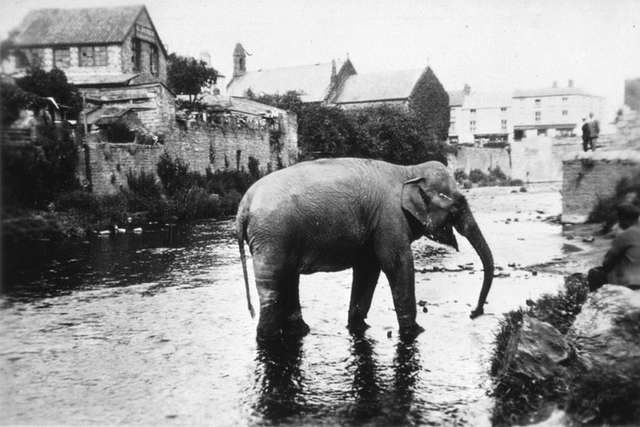
Mop fairs in the late 19th and early 20th century had some features that you wouldn't see nowadays, such as performing animals or tasteless exhibitions. In 1930, an elephant escaped from Monmouth Mop Fair!
Modern Mop Fairs in the UK
Mop fairs are still held across the country, with notable ones in places such as Tewkesbury, Southam, Stratford-up-on-Avon and Warwick. Much less of the emphasis on job hunting and a lot more on the fun and games - though you still may see the odd bit of wool in a buttonhole or the occasional mop - these traditional events still attract the crowds and are wonderful family friendly occasions that bring the whole community together.
We Are Tricycle absolutely love these events and have been supplying fetes and funfairs across the UK for years, so we’re proud to be helping carry on a tradition that has been going on for hundreds of years. We can’t wait for the next Mop Fair we attend, where we’ll supply the joy and laughter of carnival games like the coconut shy and sharpshooter.
We of course will be ready to bring the bigger attractions to the event too so the thrill seekers can get their fill. Waltzers, bungee trampolines, Helter Skelters and more are a traditional stable but we also have some white knuckle rides that will really get the adrenaline going… just make sure you have the candy floss after the ride!
If you’ve not been to a mop fair the there’s no time like the present, what have you got to lose? You’ll miss out on a great day if you don’t go! They’re fun for all ages and their longevity in British culture is a testament to how brilliant they are at bringing people together!
So gather you best pals, your family and take a trip to this quirky past time of British tradition. We Are Tricycle will see you there for all the fun of the mop fair!
If you're looking to hire funfair rides for a mop fair, then please speak with the We Are Tricycle team today. Check out our contact page to see how to get in touch.
Mop Fairs Started with a Practical Purpose
Mop Fairs belong to a strand of British fair history that was not originally centred on amusement rides. They became associated with hiring workers, particularly agricultural and domestic labour, creating an annual occasion where employers and people looking for work could meet.
This makes them an interesting companion to What Is the History of Charter Fairs?, because both show that historic fairs could have important economic and community functions alongside entertainment.
The Name Has Links with the Work People Were Seeking
The unusual name is one of the features that distinguishes Mop Fairs from other historic fairs. Workers could identify the type of employment they were seeking through objects or symbols associated with their trade. The mop became associated with domestic service and ultimately with the fairs themselves.
Understanding these customs helps show why the history of British fairs extends much further than the development of fairground rides and amusement attractions.
Hiring and Entertainment Could Occupy the Same Fair
Historic fairs could combine practical business with opportunities to socialise, eat, drink and enjoy entertainment. As employment practices changed, the recreational side became increasingly important to the continuing identity of many Mop Fairs.
What Is the History of the Funfair? provides useful wider reading on how popular entertainment and travelling attractions developed into the fairground culture recognised today.
Changing Employment Practices Did Not Necessarily End the Fair
The original reason for holding a fair can disappear while the event itself survives. Mop Fairs provide a good example of a tradition adapting as the society around it changes. A fair once associated strongly with employment could continue primarily as a community and entertainment occasion.
That ability to change while retaining a historic identity can also be explored through What Is the History of the Pack Monday Fair? and What Is the History of the Tavistock Goose Fair?, which examine other named fair traditions.
Modern Mop Fairs Can Look Very Different from Their Predecessors
Someone attending a modern Mop Fair may encounter the rides, games, stalls and food associated with a contemporary funfair rather than anything resembling a historic hiring event. The surviving name therefore connects a modern entertainment event with a much older social function.
traditional & vintage fairground rides & attractions provides examples of entertainment associated with the traditional visual character of the fair, while fairground side stalls and games covers another long-established part of fairground culture.
Mop Fairs Help Explain Why British Fairs Have So Many Different Names
Terms such as mop fair, charter fair, pleasure fair and funfair can reflect different origins, functions and local traditions. They should not automatically be treated as interchangeable historical labels simply because modern versions may contain similar entertainment.
What Is the History of Hull Fair? offers another example of a fair with its own long-established identity, while What Is the History of the Carnival? provides a contrasting route into the terminology surrounding popular public entertainment.
Explore More British Fairground Traditions
Our Guides examine individual fairs as well as the rides, games and customs associated with them. Reading these histories together helps show how commerce, local tradition and entertainment all contributed to the development of the modern fair.
For current event entertainment, you can browse all products or contact us about traditional and contemporary funfair attractions.