The History of the Funfair
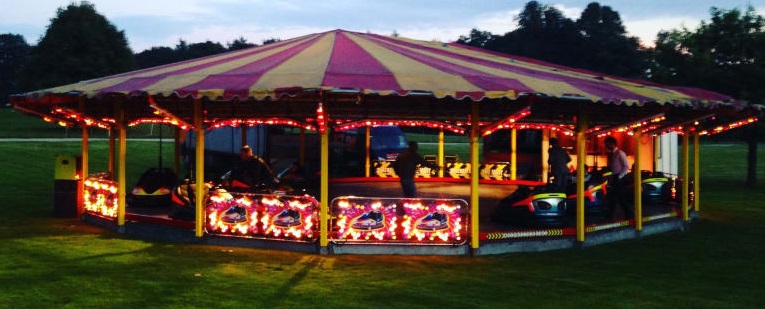
The funfair is an entertaining day out for all the family, and we all love to ride a scary roller coaster, play competitive funfair games, or eat as much candyfloss as we can before we feel sick!
Throughout history, funfairs have featured some early examples of the games and rides we all know and love today, including penny arcades, shooting galleries and entertaining shows.
But when did the first funfairs come about, and how did they evolve into the family-friendly attractions we all know and love today? Find out more with We Are Tricycle!
Funfairs have been a staple for family days out in the UK for centuries! One of the earliest fairs recorded was Bartholemew Fair in 1133. This fair wasn't quite as fun as the funfairs we have nowadays, with many people coming to the fair to trade their goods and find the best bargain. However, there were some elements of entertainment, with exciting dances, music, and even competitive tournaments for everyone to watch!
However, it was in the 18th and 19th centuries that the funfair as a place of exciting entertainment was born. The public could come to a funfair and see everything from acrobatics and magic to juggling and fun competitions. These funfairs were for everyone, both rich and poor - even those with less money could afford to spend any extra wages they had on trying out all the marvellous delights of the fairground.
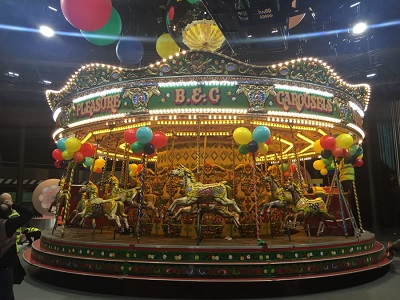
In the 1860s and 1870s, the funfair truly took off. The first steam-powered carousel saw many people finally enjoy their first mechanical funfair ride. These "galloping horses" are a much-beloved feature of the merry-go-round funfair carousel, and the same design can be seen across the country even to this day. We've looked further into this in our FAQ entry the history of the Carousel.
This was a time without modern technology, and so funfairs were a place of wonder for those living in Victorian Britain. When the average British person would have still travelled by horse and cart, these funfairs must have seemed truly magical.
The USA's innovations in funfair rides
Over in America, fairs were becoming more and more exciting, with the World's Columbian Exposition in 1893 bringing the people of Chicago music, entertainment, and an early example of the beautiful Ferris wheel. This fair first introduced the idea of an enclosed place of wonder, offering an area where people could simply enjoy their day out without thinking about their problems. This is still the case at modern funfairs. Today, funfairs and fairgrounds aim to create a fun, entertaining, and memorable place for everyone to enjoy, away from the pressures of modern life.
We Are Tricycle love to provide guests of all ages with a memorable and magical day out at the funfair. We have an excellent selection of funfair rides, such as our historical Helter Skelters or our thrill and white knuckle rides. Choose from our fantastic funfair or fairground hires to create the perfect event for families, couples, grandparents, and children.
Please get in touch to hear about the fantastic range of entertaining funfair rides and games we have for hire here at We Are Tricycle, including dodgems, Helter Skelters, fairground stalls, and more. Visit our handy contact page to see how to speak with our team.
From Travelling Fairs to the Funfairs We Know Today
Funfair history is broader than the story of any single ride. Mechanical attractions, games of skill, food stalls, travelling showpeople and changing technology have all contributed to the modern fairground. Some traditions remain immediately recognisable, while others have been adapted for contemporary events.
Our traditional and vintage fairground rides and attractions provide examples of the types of entertainment still associated with classic fairground culture, while fairground rides shows how much wider the modern choice has become.
Some Fairground Icons Have Lasted for Generations
Carousels, Ferris wheels, Dodgems and Helter Skelters each have their own histories, yet together they have helped shape the familiar appearance of the fairground.
The Traditional Victorian Carousel, Vintage Ferris Wheel, Traditional Dodgems and Helter Skelter (Illuminated) demonstrate how recognisable fairground concepts continue to be used at present-day events.
For a closer look at one of these attractions, How Does a Ferris Wheel Work? explains the engineering behind the wheel, while How Do the Dodgems Work? explores another long-established fairground favourite.
Roller Coasters Developed Their Own Branch of Fairground History
Coasters became one of the most significant developments in mechanical amusement, eventually producing everything from children's travelling rides to the enormous permanent roller coasters associated with theme parks.
What Is the History of the Roller Coaster? follows that development in more detail. Readers interested in the technology that followed can continue to How Does a Roller Coaster Work? or What Are the Different Types of Roller Coaster?.
Fairground Games Preserved a Different Kind of Tradition
Not every part of funfair history involves machinery. Side stalls and games have long given visitors something to play as well as something to ride, and many familiar formats remain in use.
fairground side stalls and games includes traditional concepts such as Hook A Duck Side Stall, Tin Can Alley Side Stall, Hoopla Side Stall and Coconut Shy Side Stall.
These can also sit alongside newer carnival games, allowing an event to combine traditional gameplay with more contemporary activities.
Food Became Part of the Fairground Experience Too
The development of funfairs also created a distinctive food culture. Quick-service food and sweet treats suited an environment where visitors moved between rides, stalls and other entertainment.
That tradition continues through modern event catering solutions, including options such as Candy Floss Food Vending Tricycle Hire and Hot Dog Food Vending Tricycle Hire.
Today's event catering can also include burgers and fries, loaded hot dogs, Mac N Cheese and other choices that extend well beyond traditional fairground refreshments.
Technology Changed the Pace of the Fairground
As engineering developed, funfairs gained attractions capable of offering very different styles of movement from the traditional carousel or wheel. Modern thrill and white knuckle funfair rides represent one end of that development, while children's thrill rides adapt mechanical entertainment for younger audiences.
This means a contemporary funfair can combine attractions representing very different periods of amusement history rather than being restricted to one era or style.
Travelling Remains Central to Funfair Culture
Mobility is one of the features that separates the travelling funfair from a permanent amusement park. Rides and supporting equipment can move between suitable sites, be installed for an event and then dismantled for transport elsewhere.
How Are Funfair Rides Transported? looks at this side of travelling fairground operation. How to Assemble and Dismantle Funfair Rides provides related information about what happens when mobile attractions arrive at and leave an event site.
Fairground Safety Has Developed Alongside the Attractions
The operation of modern amusement equipment is very different from simply reproducing historical fairground practices. Contemporary rides sit within modern approaches to inspection, maintenance, operational checks and event safety.
What Are the UK's Safety Standards for Fairgrounds? provides a broader introduction to this subject. You can then read How Funfair Rides Are Tested for Safety and What Is the ADIPS Scheme? for more focused information about testing and inspection.
Historic Fairground Style Can Be Used Without Recreating the Past
The visual character of an old-fashioned fair remains useful for modern event design. vintage events can use traditional rides, stalls and decor to establish a heritage theme, while retro events can draw on later periods of popular entertainment.
carnival decor and Funfair Decor can help connect individual attractions visually when an organiser wants the event to have a stronger fairground identity.
The Funfair Continues to Adapt to New Types of Event
Modern fairground entertainment is now used for much more than the conventional travelling fair. Rides and games can form part of company fun days and corporate events, school events, council and local authority events, charity events and festival hire.
This continuing ability to adapt is one reason historic fairground ideas remain relevant. Individual attractions may change, but the combination of rides, games, food and shared public entertainment continues in many different forms.
Follow More of the Fairground Story
Our Guides explore individual rides, fairground engineering, safety, event planning and other aspects of amusement culture. You can also read How to Choose the Right Funfair Rides & Games to move from fairground history into planning a present-day event.
If you are arranging fairground and funfair hire, contact us to discuss traditional attractions, modern rides, games and other options suitable for your event.