What is the History of the Ferris Wheel?
The Ferris Wheel is one of the most common fairground rides in America and Europe. Evoking a sense of old-time nostalgia, this vintage fairground ride can be seen across the world at fairgrounds, parties, big events, and funfairs.
From giant Ferris wheels such as the London Eye to the classic fairground Ferris Wheel, the Ferris Wheel is a fantastic attraction for the masses, even today.
The Development of the Ferris Wheel
But the Ferris Wheel was not always like the modern ones we know today. In 1892, William Somers, a carpenter from America, built a range of 50-foot wooden wheels for Asbury Park, Atlantic City, and Coney Island. He called these 'roundabouts' and they are thought to be the first Ferris Wheel design, if not quite as technologically advanced as the ones we know and love today.
However, it was not until the following year that the original and true Ferris Wheel was invented. In 1893, George Washington Gale Ferris Jr. created the first Ferris Wheel as a landmark for the 1893 World's Columbian Exposition in Chicago - so if you've ever wondered how the Ferris Wheel got its name, now you know! Ferris was a bridge-builder who had begun his career in the railroad industry. There was a lot of pressure to make the Chicago expo a fantastic event, and the corporate fun day was a great show of Chicago business, culture, and wealth.
Ferris' invention was very successful, and over the course of the exposition over 1.4 million people tried out this new phenomenon. The Exposition boosted the Chicago economy and saw America promote its technological prowess to the world.
Reaching a whopping 264ft, the original Ferris Wheel was unlike anything the American people had ever seen before, with one reporter writing that it was an "indescribable sensation" to be so far above the ground, revolving at such a speed.
Since then, the Ferris Wheel has been a firm favourite at American fairgrounds and big events across the country, and it is now the most common amusement ride at fairs in the US.
Evoking old-age glamour and summertime fun, this classic fairground ride has been seen in classic films such as "Grease" in 1978, and it even features in Joni Mitchell's song "Both Sides Now" where she sings about the mystical and dazzling allure of a summer Ferris wheel ride.
Hire Ferris Wheels UK
To find out more about how Ferris Wheels can add a bit of glamour to any fairground or funfair across the UK, please get in touch with us for more information or to arrange Ferris Wheel hire at your next big event. We have Ferris wheels for children as well as adults, and a vintage Ferris wheel that looks great at weddings and other classy occasions.
Whatever funfair, fairground or event hire services you're interested in, you can rest assured you'll receive an exceptional service when you make an order with We Are Tricycle! Visit our contact us page to see how to get in touch with us, or search through our website to get an idea of the scope of our business.
From Fairground Landmark to Modern Event Attraction
The Ferris wheel has developed far beyond its early origins, but its basic appeal has remained remarkably consistent. Its height, circular profile and steady movement make it as much a visual feature of a fairground as a ride for its passengers.
That combination of engineering and spectacle helps explain why Ferris wheels remain part of modern fairground rides while also retaining a strong connection with traditional and vintage fairground rides and attractions.
How Does a Modern Ferris Wheel Actually Work?
The history above explains where the Ferris wheel came from, while How Does a Ferris Wheel Work? takes the story into the engineering behind today's wheels. It looks at how the structure, wheel, passenger cars and drive system work together to create the familiar rotating attraction.
It is a useful next read for anyone interested in how the concept developed from a major engineering achievement into a recognised form of amusement ride.
Ferris Wheels Now Come in Very Different Sizes
Not every modern Ferris wheel is a giant observation wheel. Travelling fairgrounds and temporary events can use wheels of substantially different scales depending on the audience, venue and type of event.
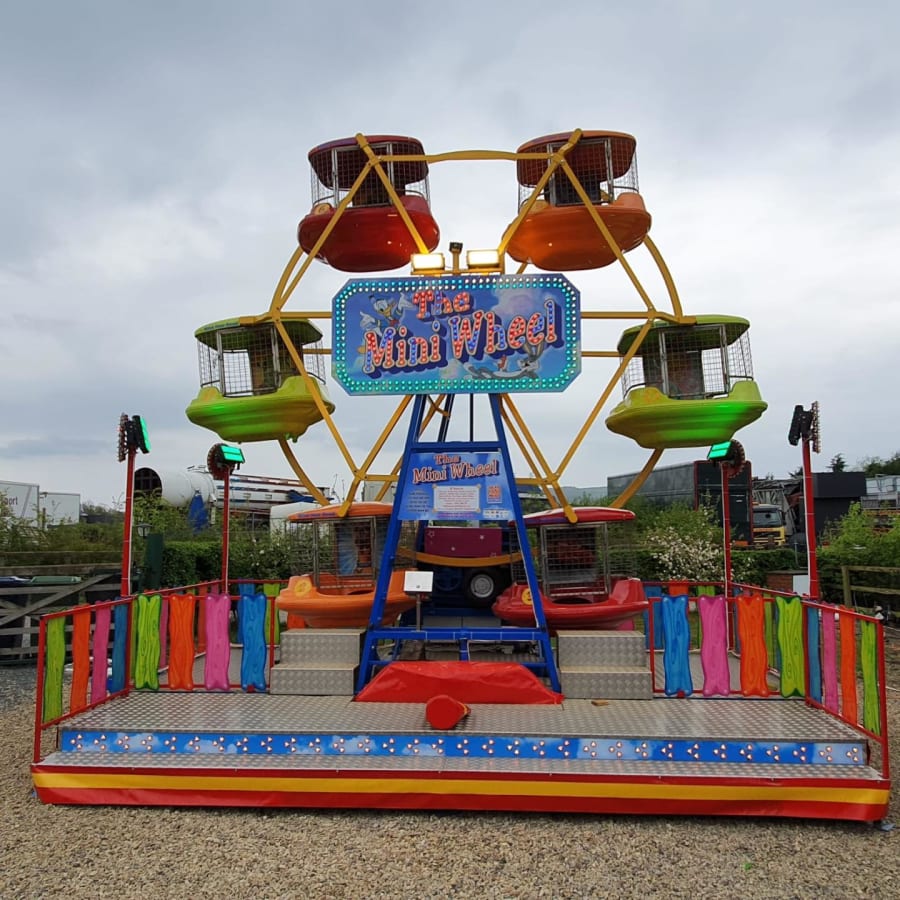
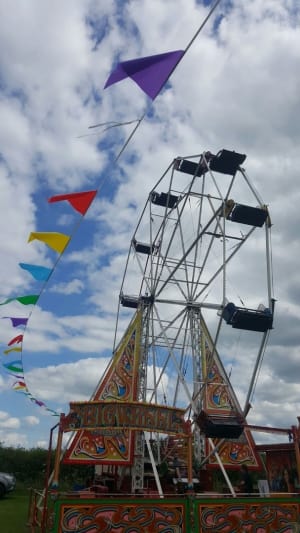
Our Ferris wheels demonstrate this range. The Vintage Ferris Wheel provides a traditional fairground appearance, while the Mini Ferris Wheel brings the familiar wheel concept to a smaller attraction. At the other end of the range, the Giant Ferris Wheel provides the scale associated with a major event feature.
The Ferris Wheel Became Part of Fairground Visual Culture
Few rides create the same silhouette over an event site. This has helped Ferris wheels retain a prominent role even as amusement technology has produced faster and more complex attractions.
For heritage-themed events, a wheel can sit naturally alongside attractions such as the Traditional Victorian Carousel, Traditional Dodgems and Helter Skelter (Illuminated). Organisers interested in this style of event can explore further options in vintage events and retro events.
A Historic Ride That Still Works for Modern Events
Ferris wheels are no longer associated solely with conventional travelling fairs. Suitable wheels can form part of festivals, corporate events, Christmas programmes, cultural events and larger public celebrations.
music, arts and cultural events, festival hire and company fun days and corporate events can all incorporate fairground entertainment where the venue and event plan are suitable.
For festive programmes, Christmas fairground rides shows how traditional amusement attractions can be incorporated into seasonal event plans.
Why Venue Space Matters for Ferris Wheel Hire
The development of mobile Ferris wheels means substantial attractions can be installed temporarily at suitable venues, but their scale makes advance site planning particularly important.
How Much Space Is Needed for Ferris Wheel Hire? explains why organisers need to consider more than the visible footprint of the wheel. Operational space, access, queues and the wider event layout also need to be taken into account.
How to Place Funfair Rides Around the Site provides further guidance when a Ferris wheel is being planned alongside other rides, games, catering and event infrastructure.
Transport Is Part of the Travelling Fairground Story
One of the significant differences between permanent observation wheels and travelling fairground equipment is mobility. Temporary attractions need to be moved between venues and installed as part of an event build.
How Are Funfair Rides Transported? looks at this aspect of modern fairground operation, while How to Assemble and Dismantle Funfair Rides provides further reading about what happens when mobile equipment reaches its destination.
Modern Ferris Wheels Operate Within Modern Safety Systems
The continued popularity of a historic ride concept does not mean modern Ferris wheels operate according to historic safety practices. Contemporary amusement equipment sits within inspection, maintenance and operational safety processes.
How Funfair Rides Are Tested for Safety explains the broader testing picture, while What Is the ADIPS Scheme? provides further information about amusement-device inspection.
Daily Safety Checks for Funfair Rides looks at the routine checks that form another part of modern ride operation.
Tall Rides Bring Weather into the Planning Process
Ferris wheels are prominent, exposed structures, making weather another relevant subject for organisers interested in how these attractions operate today.
How to Keep Funfair Rides Safe in Windy Conditions provides dedicated guidance about wind and amusement equipment. For rain, changing ground conditions and other environmental factors, How to Prepare Funfairs for Adverse Weather provides broader event-planning information.
Explore More Fairground History and Engineering
The Ferris wheel is only one branch of the history of mechanical amusement. Readers interested in how another major attraction developed can continue with What Is the History of the Roller Coaster?, then explore How Does a Roller Coaster Work? for the engineering behind modern coasters.
You can also browse our Guides for more information about fairground rides, engineering, history, safety and event planning.
If you are considering a Ferris wheel as part of fairground and funfair hire for an event, contact us with details of your venue, audience and event plans.