How Does a Ferris Wheel Work?
Ferris wheels provide eye-catching entertainment at fairgrounds and funfairs across the world. They evoke a bit of old-fashioned glamour, and provide fun entertainment for children and adults alike.
There's nothing quite as spectacular as viewing the whole fairground from a great distance from the top of a giant Ferris wheel!
In this article, we have created a guide to understanding how the Ferris wheel really works, and why it has become such a staple at fairs, funfairs, fairgrounds, carnivals, and celebrations across the country.
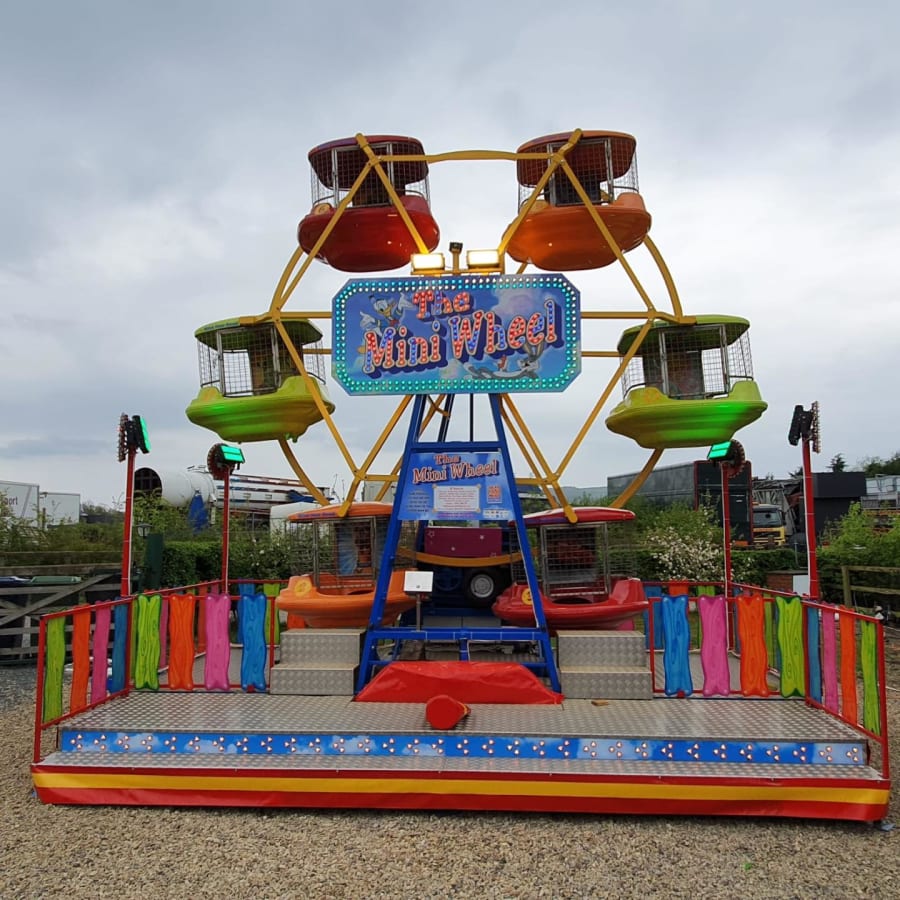
The seats go on the outer rim of the wheel
The seats of a traditional Ferris wheel always go on the outer rim of the wheel. The Ferris wheel consists of a rotating upright wheel with lots of little pods or cars for fairground lovers to sit in. These could be pods like the London Eye, or small little benches made just for two.
The capsules are attached to the rim so that when the wheel turns, every single one of them stays in an upright position hanging downwards, and guests can safely survey the rest of the fairground from a seated position.
Don't forget the gears and motors
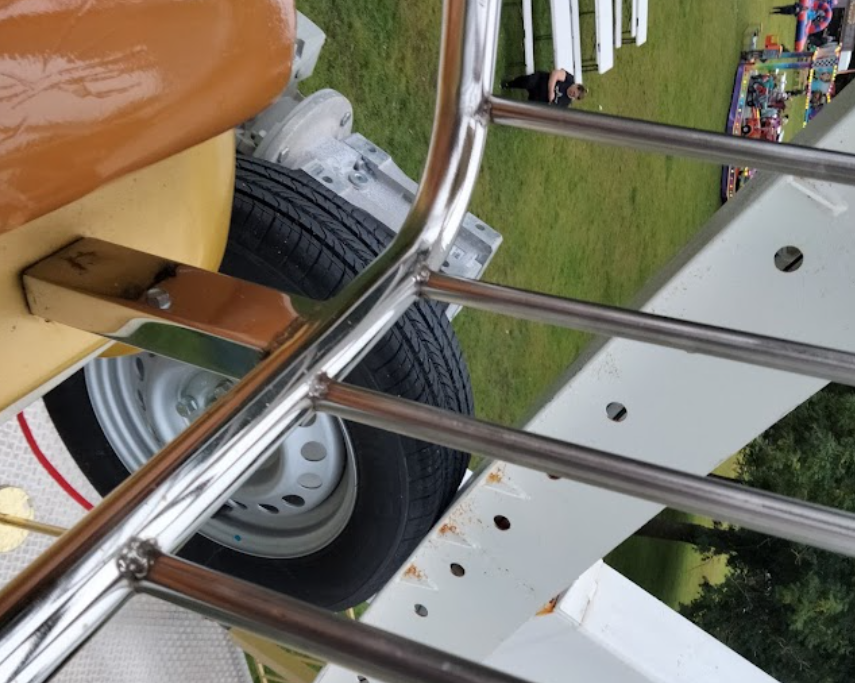
When the Ferris wheel starts to move, it's because of the gears and motors in the mechanism. It is the gears and motors that pull the wheel up and start the rotating motion, making sure everyone on the ride starts to move.
The first ever mechanical Ferris wheel was enough to shock people of the nineteenth century, and it was like nothing anyone had ever experienced before! Make sure you read our history of the Ferris wheel for more fascinating facts about this fairground ride.
It's all about gravity
While it is the job of special gears and motors to pull the wheel up, it is gravity that plays the biggest part in bringing the wheel back down again. This gives the Ferris wheel its well-known rotating motion.
This is why the Ferris wheel is not just a beautiful ride, but a fun one!
Keeping the lights powered
A Ferris wheel wouldn't be a beautiful spectacle without its lights! The lights of a Ferris wheel are powered by something called slip rings. These are circular rings, which are attached to the rotating Ferris wheel, and with electrodes are attached to the opposite member, which makes sure they are in constant contact with the rings as the Ferris wheel rotates.
This means the lights continue to sparkle on the whole of the Ferris wheel, without worrying about safety issues or excessive electricity cables.
Ferris Wheel Hire UK
It's no surprise that Ferris wheels are one of the first rides people think about when they picture a stunning fairground event!
If you want to find out more about how a Ferris wheel could be the perfect addition to your next big event, get in touch with us. We have a fantastic range of gorgeous Ferris wheels for you to choose from, to suit any special occasion or event. Contact us for more information!
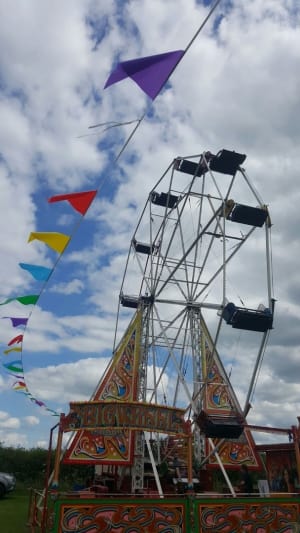
The Wheel Moves, but Passengers Experience a Different Kind of Motion
A Ferris wheel creates its characteristic experience through the rotation of a large wheel carrying passenger gondolas around its circumference. Unlike many thrill & white knuckle funfair rides, the attraction does not depend on rapid changes of direction to create its appeal.
The contrast becomes clearer when compared with How Does a Roller Coaster Work?, where vehicles travel along a track rather than remaining attached to a continuously rotating wheel.
Why Don't Ferris Wheel Gondolas Turn Upside Down?
Although the main wheel rotates, the passenger-carrying gondolas or cars are arranged so that they can maintain an appropriate orientation as they travel around it. The exact engineering depends on the particular Ferris wheel design, so not every wheel should be assumed to use an identical passenger-car arrangement.
This is quite different from the deliberate inversions found on some roller coasters, which are explored in How Do Rollercoasters Go Upside-Down Without Falling Off?.
Ferris Wheels Turn Height into the Main Attraction
Rather than using height primarily to create a rapid descent, a Ferris wheel allows passengers to progressively gain elevation and then return towards ground level. This makes the view and changing perspective an important part of the experience.
What Is the History of the Ferris Wheel? looks at how this distinctive ride format developed, while Ferris wheels shows how the concept appears within modern fairground and event hire.
What Powers a Ferris Wheel?
The wheel needs a drive system capable of producing and controlling its rotation. The precise equipment and power arrangements vary between individual attractions, particularly when comparing different sizes, ages and designs of wheel.
How Are Funfair Rides Powered? explains the wider subject of fairground power, while Fairground Electrical Safety Regulations provides related information about electrical considerations at fairgrounds and events.
Loading Passengers Changes the Operating Cycle
A Ferris wheel also has to accommodate passengers entering and leaving its gondolas. This means its operating pattern is not simply a case of rotating indefinitely at an unchanged pace. Loading and unloading arrangements depend on the particular equipment and how it is operated.
Passengers should always follow the instructions provided by the operator, including any requirements concerning boarding, seating and leaving the attraction. What Are the UK's Safety Standards for Fairgrounds? provides wider context on UK fairground safety.
Ferris Wheel Size Becomes an Event Planning Question
The visual scale that makes a Ferris wheel attractive can also make it a significant part of event-site planning. Organisers need to consider the requirements of the specific wheel rather than estimating its footprint from photographs or from the dimensions of another attraction.
How Much Space Is Needed for Ferris Wheel Hire? looks specifically at this issue, while How to Place Funfair Rides Around the Site considers attraction positioning within the wider event layout.
Wind and Weather Matter More as Attractions Gain Height
Outdoor fairground equipment operates subject to the requirements applicable to the individual attraction and the conditions on site. Organisers should not assume there is one universal weather or wind limit covering every Ferris wheel.
How to Keep Funfair Rides Safe in Windy Conditions explains the wider considerations surrounding wind, while How to Prepare Funfairs for Adverse Weather looks at weather planning for the event as a whole.
Follow the Ferris Wheel from Engineering to Event Hire
The Ferris wheel brings together mechanical engineering, height, visual presence and relatively gradual passenger movement in a format that has become one of the most recognisable fairground attractions. Different versions can vary considerably in scale, appearance and event requirements.
Continue with Ferris Wheel FAQs for related questions, browse big funfair rides and all products, or use our Guides to explore more fairground engineering and planning topics. You can also contact us to discuss Ferris wheel hire and other attractions for an event.