What is the History of the Roller Coaster?
Rollercoasters are one of the most popular types of fairground rides around, and people all over the world flock to theme parks to try out their twists and turns. No doubt you have been on rollercoasters yourself, but how much do you know about their origins? What you learn may just surprise you.
First of all, rollercoasters are probably far older than you thought. The very first rollercoasters originated in Russia during the 18th Century. These early prototype rollercoasters were known as "Russian Mountains" and involved brave participants riding a sled down hills of ice. Despite this low-tech method, passengers could still reach speeds of 50 miles per hour!
However, the rollercoaster that looks like something we might more recognise as the sort we see in theme parks, funfairs and fairgrounds today first appeared in France in 1817. Unlike the Russian Mountains this ride had trolleys secured on tracks. But, surprisingly, the rollercoaster initially wasn't very popular and didn't last long. It wasn't until towards the end of the 19th century that they really caught the imagination of the general public and became fashionable.
The 20th century was the time when amusement parks and rollercoasters took off and became the hugely popular leisure activity that we know and love today. The 1920s was something of a Golden Age of innovation, with the USA leading the way with increasingly large and impressive rides. One of the most famous from this era which is still operational is the Cyclone ride in Coney Island. It features numerous U-turns and an 85-foot-tall lift hill. The lift hill is the section where the rollercoaster train slowly climbs to a peak, before descending at a great speed. Riders often consider one of the most tense and fun parts of a rollercoaster.
Rollercoaster Rides after WW2
Unfortunately, this period Golden Age was interrupted by the Great Depression in the 1930s and then following that, the Second World War. After this it wasn't until the 1950s that growth began again, with the opening of huge and famous amusement parks such as Disneyworld. The latter half of the 20th century saw rollercoasters spread across the world to every continent. The development of rollercoasters is continuing all the time, and as we move through the 21st century they're sure to get bigger, taller, faster and longer.
Today the tallest rollercoaster in the world is the Kingda Ka, located at Six Flags Great Adventure in New Jersey. It towers at an incredible 465 feet and reaches speeds of 128 mph. However, that's not the fastest rollercoaster. For that we have to look at the Formula Rossa at Ferrari World Abu Dhabi. This ride goes travels at an intense 149mph. Quite a difference from the Russian Mountains!
There are also rollercoasters for all age ranges and at a wide variety of intensity levels. From children's fairground rides to intense ones for full-grown daredevils, there's something for everyone these days.
At We Are Tricycle we have a superb range of white knuckle rides to really add excitement to your next event. Alternatively, harness the power of technology to transport your guests to a virtual rollercoaster with our incredible Motion Simulator. It's so realistic that everyone will feel like they are really there. We even have the capacity to help you develop your own bespoke fairground ride. Turn your concept into reality with us!
Continue Through the Story of the Roller Coaster
The history of the roller coaster is also a story of changing engineering, ride design and public entertainment. Early ideas eventually developed into the many coaster formats seen today, from compact travelling rides for children to enormous permanent attractions at amusement parks.
If the history above has left you wondering how today's rides actually operate, How Does a Roller Coaster Work? is a good place to continue. It looks at the principles that allow a train to travel through climbs, drops, bends and other elements of the track.
From Early Coasters to Modern Ride Designs
Roller coasters no longer follow one standard format. Different track layouts, train configurations and ride concepts have produced a large family of attractions with very different passenger experiences.
What Are the Different Types of Roller Coaster? explores these variations and provides useful context for how coaster design has developed beyond the early rides covered in the historical account above.
Why Roller Coasters Feel the Way They Do
Part of the continuing development of roller coasters has involved creating new combinations of acceleration, changes in direction, climbs and drops. The sensations passengers associate with a coaster are closely connected to the forces created as the train follows its track.
What Are the Forces Experienced on a Roller Coaster? looks more closely at these forces and helps explain why different parts of a coaster can feel so different to the rider.
How Did Upside-down Roller Coasters Become Possible?
Inversions are one of the most recognisable developments in modern roller coaster design. For readers interested in the engineering rather than simply the historical progression, How Do Rollercoasters Go Upside-down Without Falling Off? explains the principles that allow coaster trains to negotiate inverted sections of track.
It is a useful example of just how far roller coaster technology has developed from the earlier forms of amusement described in the history above.
Roller Coaster Safety Developed Alongside the Rides
As roller coaster technology changed, so did the systems and procedures surrounding safe operation. Modern amusement ride safety includes inspection, maintenance, operational checks and passenger requirements rather than relying on any single safeguard.
How to Stay Safe on Roller Coasters provides guidance from the passenger perspective, while How Funfair Rides Are Tested for Safety looks at the wider testing of amusement equipment.
You can also read What Is the ADIPS Scheme? for more information about amusement-device inspection in the UK.
Why Modern Coasters Have Passenger Restrictions
Changes in speed, movement, seating and restraint design mean that individual attractions can have specific passenger requirements. These are based on the particular ride rather than one rule applying to every roller coaster.
Why Do Some Funfair Rides Have Height Restrictions? explains the reasoning behind height requirements. Parents planning a family visit can also read How Tall Do Children Have to Be for Fairground Rides?.
For health-related considerations, Funfair Ride Health Restrictions and the Equality Act provides further information about passenger suitability and legitimate safety requirements.
Travelling Roller Coasters Continue the Fairground Tradition
Roller coaster history is not limited to the huge permanent rides associated with theme parks. Mobile and compact coasters continue to form part of travelling fairground entertainment and can be installed at suitable event sites.
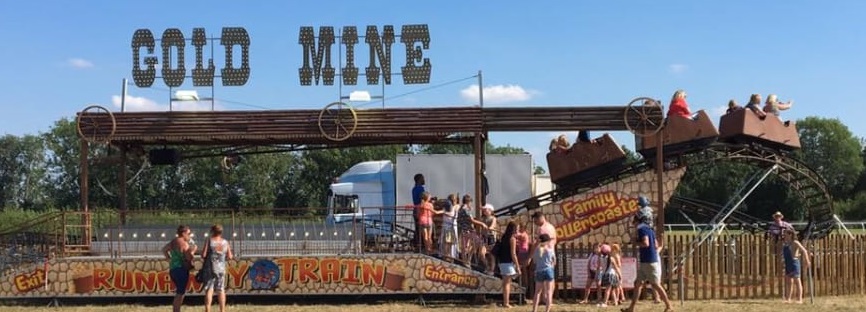
Our roller coasters include options for different audiences. Mine Train - Runaway Train provides a themed coaster attraction, while Apple Coaster - Family Roller Coaster offers a family-oriented option.
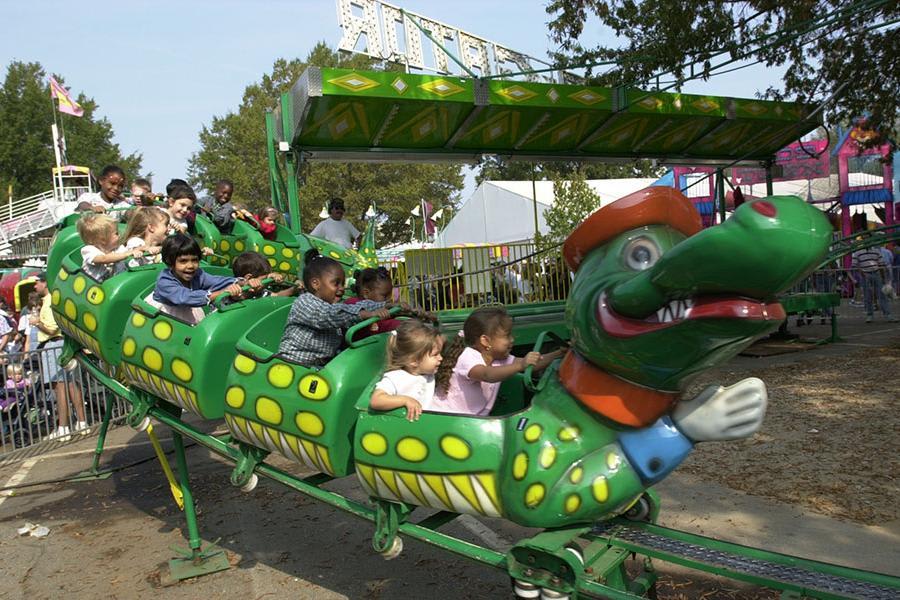
For younger riders, Go Gator Children's Roller Coaster and Train Rollercoaster Ride demonstrate how the roller coaster concept can be adapted to smaller-scale attractions. You can also view mini and children's roller coasters for more suitable options.
Roller Coasters Are Part of a Much Bigger Fairground History
The development of roller coasters took place alongside carousels, Ferris wheels, Dodgems and many other forms of mechanical entertainment. Today these different strands of fairground history can be combined at heritage-inspired events using traditional and vintage fairground rides and attractions.
Examples include the Vintage Ferris Wheel, Traditional Victorian Carousel and Traditional Dodgems, each representing a different part of the development of popular fairground entertainment.
More Roller Coaster Questions Answered
If you want to continue from history into the practical and technical side of coasters, Rollercoaster FAQs brings together answers to further questions. You can also read What Is the Best Seat on a Roller Coaster? for a rider-focused look at how position within the train can affect the experience.
Our Guides contain more information about fairground history, ride engineering, safety and event planning. For organisers interested in bringing roller coasters or other fairground and funfair hire to an event, contact us to discuss the venue and suitable attractions.