What is the History of Small Funfair Rides?
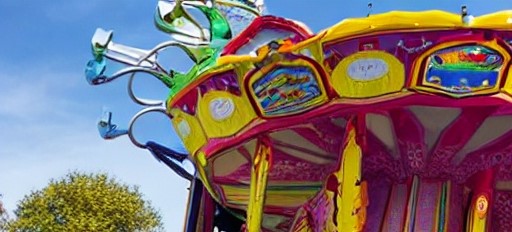
The history of funfair rides has seen the creation of towering rollercoasters and adrenaline-pumping attractions. Yet, it's the smaller fairground rides that often hold a special place in the hearts of visitors, thanks to their use by families and children. These funfair rides have a rich history; explore the story of some of your favourites below!
Dodgems: A Funfair Staple
The dodgems traces its origins back to 1921. Billy Butlin, a name forever linked with British holiday parks, recognised the potential of this novel attraction and introduced the first dodgems to Britain in 1928. This innovation marked a significant moment in the history of funfair rides, combining the thrill of driving with the safety and fun of a controlled environment. Find out more in our history of the dodgems!
Carousel Innovations
Carousels have long been a cornerstone of funfair entertainment, with modern variations breathing new life into this classic ride. This beloved ride traces its origins back to the 12th century in Europe and the Middle East, initially serving as a military training exercise for soldiers. These early iterations involved real horses and were quite different from the carousels we know today, which only began to resemble modern merry-go-rounds by the mid-19th century with model horses and manual cranking mechanisms.
The Victorian era saw a surge in the carousel's popularity, coinciding with the rise of leisure activities and the accessibility of amusement parks to a broader public, thanks to increased wages and workers' rights.
See more in the history of the carousel!
The Fairground Thrills of Powered Launch Rides
Modern amusement parks have introduced powered launch rides, propelling riders vertically at high speeds. The Ice Blast, opened in 1997 at Blackpool Pleasure Beach, shoots riders up a 185-foot tower, offering breath-taking views and heart-stopping thrills. Similarly, the Volcano at Fantasy Island in Ingoldmells propels riders up to 200 feet at speeds of 70 mph.
These thrill rides showcase the technological advancements and creativity within the funfair and theme park industry.
Small Funfair Rides for Younger Guests
Recognising the need for attractions suited to younger visitors, amusement parks have developed children's funfair rides to offer kids sedate versions of their thrilling counterparts. Small carousels and rollercoasters are designed to be accessible and enjoyable for children, offering them the excitement of the funfair at a scale and pace that's right for them.
The Helter Skelter: A Nostalgic Favourite
The helter skelter, though gradually becoming rarer, remains a beloved attraction where it continues to operate. With its history at Blackpool Pleasure Beach dating back to 1906 and a longstanding presence on Brighton Pier since 1977, the helter skelter epitomises the timeless appeal of funfair rides. See more of the history of the Helter Skelter here!
Discover the charm and history of small funfair rides with We Are Tricycle. Visit our funfair rides and fairground games for a glimpse into the past and present of amusement park entertainment.
Check out our history of big funfair rides!
Small Rides Show That Fairground Scale Is Relative
A fairground ride does not need enormous height or extreme movement to have a distinct identity. Smaller attractions can use many of the same basic ideas found elsewhere in fairground design, including rotation, suspended seating, themed vehicles and repeated circuits, but package them for a different type of experience.
Comparing small funfair rides with big funfair rides provides a useful way to see how widely the scale and character of modern fairground equipment can vary.
Familiar Ride Ideas Can Be Reworked for Younger Passengers
One interesting branch of small-ride development is the adaptation of established amusement concepts. A ride family can appear in several sizes or configurations rather than existing as one fixed design.
For example, Mini Chair o Planes can be compared with Traditional Chair-O-Planes and the larger WaveSwinger Chair O Planes. What Is the History of Chair-o-Planes? provides the historical background to this wider ride family.
Miniature Does Not Have to Mean Mechanically Simple
Smaller rides can still create a complete sequence of movement and themed presentation. Go Gator Children's Roller Coaster and Train Rollercoaster Ride, for instance, translate the roller coaster concept into attractions aimed at a different section of the fairground audience.
What Are the Different Types of Roller Coaster? provides a broader comparison of roller coaster designs, while How Does a Roller Coaster Work? looks at the underlying ride principle.
Traditional Imagery Works Particularly Well at Smaller Scale
Some small rides retain imagery that has been associated with fairgrounds for generations. Horses, trains, aircraft and other recognisable vehicles give children an immediate visual idea of what the attraction represents.
Children's Victorian Carousel, Children's Horse Carousel and Carousel Train Ride show different ways in which familiar fairground themes can appear in children's entertainment. The wider story of this ride type is explored in What Is the History of the Carousel?.
A Children's Ride Selection Benefits from Variety
Small rides become particularly useful when considered as part of a programme rather than individually. Different movement styles can give children several choices without simply repeating the same attraction in different decoration.
children's fairground rides & attractions brings these options together, while Ideas for Children's Fairground Rides can help organisers consider an appropriate mixture for younger visitors.
Passenger Suitability Still Depends on the Individual Ride
The description "small ride" should not be treated as a universal indication of who can use an attraction. Passenger requirements depend on the individual equipment, its seating or restraint arrangements and the applicable operating requirements.
How Tall Do Children Have to Be for Fairground Rides? explains why there is no single height rule covering every attraction, while How to Keep Children Safe at Fairgrounds provides wider guidance for family events.
Follow Small Rides into the Wider Fairground Story
Small rides connect several branches of amusement history, from traditional children's roundabouts to miniature versions of familiar mechanical attractions. For a broader view, Ideas for Family Friendly Funfairs looks at combining entertainment for different ages, while How to Choose the Right Funfair Rides & Games covers attraction selection from an event-planning perspective.
You can continue through our Guides, browse children's thrill rides and all products, or contact us to discuss suitable rides for an event.