Can I design my own rollercoaster?
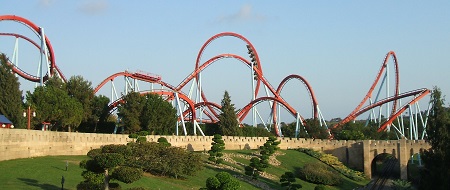
Rollercoasters come in all shapes and sizes, with twists, turns, and drops that can thrill even the most daring of riders. But have you ever wondered if you could design your own rollercoaster? When you use our bespoke funfair ride development solutions, the answer is yes!
At We Are Tricycle, we have experience in creating custom rollercoasters for events and promotional campaigns. One example of our work is the amusement ride we created for Mug Shot, the instant soup giants. They approached us with the idea of creating a ride within a giant mug for a promotional event they were holding.
Our team worked closely with Mug Shot to bring their vision to life. We designed and built the ride within the mug, making sure to incorporate elements that would appeal to the company's target audience. We also handled the setup and operation of the fairground ride, providing a turn-key solution for their corporate event entertainment.
The funfair ride itself was a hit with attendees, providing a unique and memorable experience that perfectly matched Mug Shot's brand.
This project is just one example of how we can work with clients to create custom rollercoasters and amusement rides for any occasion. Check out our case studies to see more of the custom and bespoke funfair ride solutions we've created!
Make your Own Rollercoaster
If you're considering designing your own rollercoaster, there are a few things to keep in mind. First, you'll need to have a clear idea of what you want your rollercoaster to look like and the type of experience you want it to provide. Second, you'll need to work with a team of experts who can help you turn your vision into a reality.
At We Are Tricycle, we have years of experience in the amusement ride industry and a team of skilled professionals who can help you create the perfect rollercoaster for your event or promotion. Whether you're looking for a simple coaster or a complex ride with multiple elements, we can help bring your vision to life.
Designing your own rollercoaster is possible with the right team and resources. At We Are Tricycle, we have the expertise and experience to help you create a custom ride that will leave a lasting impression on your guests.
Why not start planning your own rollercoaster today? The possibilities are endless with us. Contact us to begin.
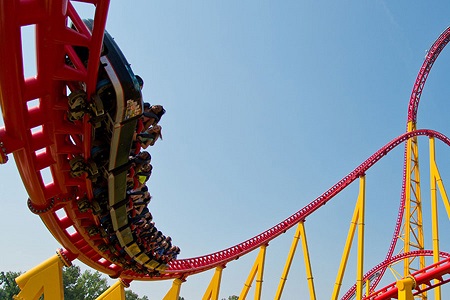
Anyone Can Start with a Roller Coaster Concept
You can certainly imagine, sketch or model your own roller coaster. Choosing the theme, shape of the course, position of hills and general passenger experience can be an interesting way to explore how roller coasters are designed.
What Are the Different Types of Roller Coaster? is a useful starting point because roller coasters can differ considerably in their track layouts, trains, scale and intended passenger experience.
A Creative Roller Coaster Design Is Different from a Working Ride
There is an important distinction between designing a roller coaster on paper and engineering equipment that will actually carry passengers. A real attraction has to account for structural loads, track geometry, vehicles, restraints, braking, control systems and many other technical factors.
How Does a Roller Coaster Work? provides more background on the principles behind coaster movement, while What Are the Forces Experienced on a Roller Coaster? explains why changes in speed and direction matter to the ride experience.
Start by Thinking About the Experience Rather Than Individual Components
At a conceptual level, it can be useful to decide what sort of experience the coaster is intended to provide. A children's coaster, family attraction and major thrill coaster are solving very different design problems.
mini & children's roller coasters demonstrates one end of that spectrum, while thrill & white knuckle funfair rides shows how dramatically the intended experience can change with a different type of attraction.
Track Shape Determines Much of What Riders Experience
Hills, drops, bends and other track elements change the train's speed, direction and movement. Adding a feature to a drawing because it looks exciting is therefore very different from determining whether that feature could form part of an engineered ride.
How Do Rollercoasters Go Upside-Down Without Falling Off? examines the particular engineering principles behind inversions, while What Is the Best Seat on a Roller Coaster? considers how the resulting experience can even vary according to a passenger's position within the train.
Passenger Requirements Have to Be Part of Real Ride Design
A passenger-carrying attraction cannot be designed solely around speed or visual impact. Seating, restraints and the intended passenger group are fundamental considerations, with requirements applying to the particular equipment.
Why Do Some Funfair Rides Have Height Restrictions? provides useful context on passenger restrictions, while Funfair Ride Health Restrictions and the Equality Act looks at the wider relationship between individual circumstances and attraction requirements.
A Finished Design Still Has to Become Real Equipment
For travelling attractions in particular, the design also has to exist within practical constraints. Equipment needs to reach the event site, be installed appropriately and fit into the space available alongside other attractions and event infrastructure.
How Are Funfair Rides Transported?, How to Set Up and Tear Down Funfair Rides and How to Place Funfair Rides Around the Site explore these operational stages in more detail.
Passenger-Carrying Roller Coasters Require Specialist Engineering
If by "design my own roller coaster" you mean creating an attraction that people will actually ride, that moves beyond a creative design exercise. Passenger-carrying amusement equipment requires appropriate professional engineering, manufacture, assessment and operation rather than DIY construction based on a drawing or online guide.
Our guides to How Funfair Rides Are Tested for Safety, What Is the ADIPS Scheme? and Funfair Ride Periodic Maintenance provide useful background on the wider systems surrounding operational fairground equipment.
Bespoke Event Design Does Not Have to Mean Building a New Roller Coaster
If the objective is to create something distinctive for an event, there are other ways to develop an original concept. Existing attractions can sometimes form part of a wider themed environment, while bespoke games, scenery, branding and event features can be developed around a creative brief.
concept to reality | bespoke creations and How to Brand and Customise Funfair Rides provide related ideas. You can also explore roller coasters, read What Is the History of the Roller Coaster?, browse our Guides, or contact us about creating a distinctive attraction programme for your event.