What is the history of the Carnival?
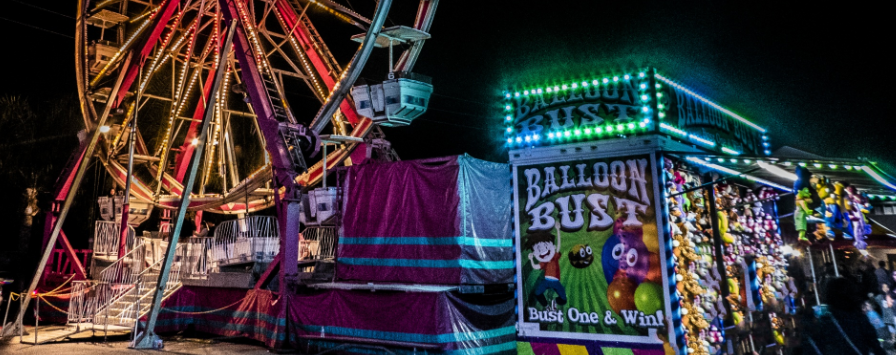
The carnival is a festival celebrated around the world, packed with carnival games, funfair side stalls and more. But the history of the carnival goes back much further than recent history, and is thought to date back to pagan festivals of ancient times.
One of the earliest possible origins of the carnival is the Egyptian festival of Osiris, the god of the underworld and rebirth, which celebrated the end of winter and the beginning of spring. This festival involved processions and rituals. The Greek festival of Dionysus, which honored the god of wine and fertility, is another possible source of the carnival. This ancient festival featured masks, theatrical performances, and wild celebrations that got the whole community partying.
The Romans also had a festival called Saturnalia, which took place in December and was a time of social inversion and merry-making. Saturnalia honored Saturn, the god of agriculture and time, and involved feasting, drinking, and gift-giving. The festival may have influenced the carnival of the modern age, and a lot of the traditions of Saturnalia are seen at Christmas events to this day.
The carnival was later adapted by the Christian church as a way of incorporating the popular pagan customs into the new faith, and soon became a time of indulgence and excess, traditionally taking place before Lent. The first recorded Carnival celebrations took place in Italy in the Middle Ages, and soon spread to other European countries.
Today, the Carnival is celebrated in many different parts of the world, each with its own unique traditions and customs. There are famous carnivals in Rio de Janeiro, Venice, New Orleans, Trinidad and Tobago, and throughout the UK, including Manchester, Birmingham, London, Glasgow and beyond.
The Carnival is a vibrant and diverse expression of culture, creativity, and joy that attracts millions of people every year. It is also a way of preserving and celebrating the heritage and identity of different communities around the world. From its pagan origins to its modern-day celebrations, the Carnival continues to captivate and inspire people of all ages and backgrounds.
If you're planning to host your own carnival, hire all the funfair rides and games you could need with We Are Tricycle!
Carnival Became a Mixture of Entertainment Rather Than One Attraction
One of the most useful ways to understand carnival history is to look at the variety contained within it. Rides might provide the largest moving attractions, but games, stalls, food, decoration and entertainment between them all contribute to the wider carnival environment.
That mixture remains visible in modern carnival games, fairground rides and other forms of temporary event entertainment.
Games Gave Visitors Something to Play as Well as Watch
Carnival entertainment developed around participation as well as spectacle. Traditional games could test throwing, aiming or other skills, creating short activities that visitors could play individually while friends and family watched.
fairground side stalls and games brings together many of these formats, including familiar attractions such as Hook A Duck Side Stall, Tin Can Alley Side Stall and Hoopla Side Stall.
Prizes Became Part of Carnival Game Culture
The possibility of winning a prize helped give carnival games a character separate from amusement rides. The attraction was not simply completing the activity, but testing a skill or playing a game with a clear outcome.
prize games explores this part of modern event entertainment, while What Is the History of Hoopla? and What Is the History of Whack a Mole? provide closer looks at two individual games with their own histories.
Food Became Part of the Carnival Experience
Food vending developed alongside other forms of fairground and carnival entertainment, giving visitors refreshments while also adding smells, signs and busy serving areas to the event environment.
Today, organisers can combine entertainment with event catering solutions, including formats such as food vending tricycles and food carts & bars.
Carnival Style Developed a Visual Language of Its Own
Bright signage, decorative stalls, flags and colourful attraction fronts help make carnival entertainment identifiable before visitors have played a game or boarded a ride. Visual presentation therefore became an important part of the format rather than simply decoration added afterwards.
carnival decor can support this appearance at contemporary events, while What Is the History of Fairground Art? looks more closely at the artistic traditions associated with fairground entertainment.
The Carnival Idea Can Be Recreated Without Building a Full Funfair
Modern event organisers can draw on individual elements of carnival culture rather than recreating an entire traditional fair. A selection of stalls, games, food and decorative features can establish a carnival-style entertainment area within a corporate event, festival, school event or other programme.
Funfair Decor can help establish the setting, while queue busters & waiting area games and no power needed games show how smaller activities can be incorporated into different parts of an event site.
Explore the Different Traditions Behind Carnival Entertainment
Carnival history overlaps with several other branches of popular entertainment. What Is the History of the Funfair? provides the wider fairground context, while What Is the History of Charter Fairs? examines another tradition connected with the development of public fairs.
You can continue through our Guides, browse all products or contact us about combining carnival games, rides, catering and decorative elements for an event.