The History of the Christmas Market
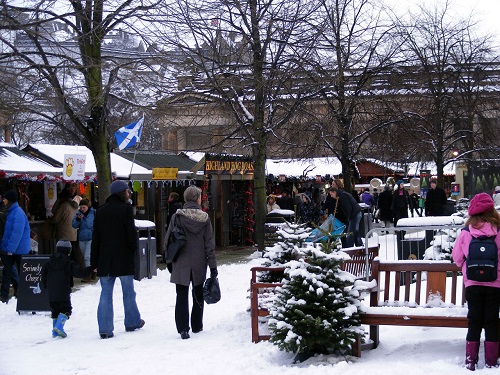
There's nothing more magical than visiting a beautiful Christmas market in the lead up to Christmas, and these festive markets have been adding joy and cheer to the holiday season for many generations.
Christmas markets offer the chance to try delicious foods, buy festive items from Christmas market retail chalets, and even play games or enjoy a selection of funfair rides such as Ferris wheels, Helter Skelters or other Christmas fairground attractions. These Christmas events are perfect for couples who want a romantic evening stroll under the Christmas lights or families who are looking for a great day out idea.
But how did Christmas markets begin? We Are Tricycle examines the facts.
The first ever Christmas market started in Dresden, Germany, and dates all the way back to the Late Middle Ages. It was originally created as a celebration of the four weeks of Advent. While we are all opening our Advent calendars and eating delicious chocolate, in the past people would wander around a beautiful Christmas market and think about the upcoming religious holiday. The original Christmas market was known as "Christkindlmarkt" which refers to the "spirit of Christmas", and each and every market since then brings a bit of special festive spirit to those who visit it!
Traditional Christmas markets were held in the town square, and they offered food and drink to passers-by, as well as seasonal items for sale in Alpine Christmas Huts. Christmas markets of the past also featured traditional dancing and music, and every town had their own traditions just like today!
Throughout history, Christmas markets have included entertaining attractions and food stalls for everyone to enjoy. They had nativity scenes, life-like figures carved out of fruit, sweets to try, and mulled wine or egg-nog for the adults.
In the 19th centuries, Germany saw a huge amount of emigration, with huge populations travelling to the USA with the encouragement from Britain. America and Britain were huge cultural powerhouses, and became even more influential in the following decades and centuries, which saw German Christmas markets set up throughout much of the world.
Modern Christmas Markets
The traditional German Christmas markets are still replicated today, with towns across the world paying homage to days gone by with their own classic Christmas markets for natives and tourists. Here in England, we have notable Christmas markets of our own, including the Lincoln Christmas market, which attracts more than 10,000 visitors in just four days. The Bath and Liverpool Christmas markets have also become a favourite for tourists and locals to enjoy during the winter months. London and Manchester's Christmas markets are so popular, the term 'Christmas Market' has almost become synonymous for any event with massive footfall.
Here at We Are Tricycle we love to give customers across the UK an authentic and memorable Christmas market experience for everyone with our Christmas market retail chalets. Whether your guests love to sample foods from around the globe or they want to buy a last-minute Christmas present, our Christmas market retail chalets are perfect for your next Christmas market or event this festive season.
Please contact us to find out about our Christmas market retail chalets or to find out about our fantastic funfair entertainment games, stalls, and rides.
Christmas Markets Became More Than Places to Shop
The history of Christmas markets helps explain why modern examples combine retail with food, decoration, entertainment and social activity. Although individual markets vary considerably, the experience of spending time at the event has become as significant as simply buying goods from the stalls.
That development provides useful context for organisers using Christmas market stalls as part of a wider seasonal programme rather than treating the market purely as a collection of retailers.
Traditional Market Character Still Shapes Modern Expectations
Wooden-style stalls, seasonal decoration, lighting and a strong sense of place remain closely associated with Christmas markets. Modern events can interpret those characteristics in different ways, from relatively small seasonal markets to larger programmes incorporating fairground entertainment.
event furniture & decor can support the physical environment, while Christmas parties & events provides further options for building a wider festive programme.
Food Became Part of the Christmas Market Experience
Food and drink have an important place in Christmas market culture, with regional traditions contributing to the character of individual events. For modern organisers, catering can similarly become part of the attraction rather than functioning only as a practical service.
Christmas winter warmers includes seasonal options, while German Sausage and Currywurst can suit German-inspired market themes. Food and Catering FAQs provides further guidance for planning event catering.
Fairground Entertainment Added Another Reason to Stay
Christmas markets and fairground entertainment are distinct traditions, but modern seasonal events frequently bring different forms of leisure together. Rides and games can extend the programme beyond shopping and catering, particularly where organisers are creating a larger destination event.
Traditional Victorian Carousel can complement a heritage-style setting, while Christmas fairground rides provides further seasonal options. Organisers looking specifically at ride selection can also read Ideas for Christmas Funfair Rides.
Traditional Games Can Be Reworked for Christmas
The development of Christmas entertainment has also involved adapting familiar activities to seasonal themes. A recognisable fairground game can retain its basic method of play while its artwork, targets or presentation are changed to fit the Christmas setting.
Hook A Christmas Duck Funfair Side Stall, Ring A Reindeer Funfair Side Stall and Snow Ball Cans Funfair Side Stall show how traditional game formats can take on a festive identity. More examples can be found within Christmas funfair games & stalls.
Historic Markets Help Explain the Importance of Place
Many long-established Christmas markets are strongly associated with the towns and cities in which they take place. That relationship between event and setting remains relevant when planning a modern market. Entertainment, stalls, catering and visitor routes need to work with the available site rather than being considered independently.
How to Place Funfair Rides Around the Site explores attraction positioning, while Event Planning and Logistics FAQs covers broader practical questions about organising entertainment within an event space.
Winter Conditions Have Always Shaped Seasonal Events
Holding events during the Christmas period inevitably makes weather part of the planning process. Modern equipment and event management may be very different from those of historic markets, but organisers still need to think about how colder and wetter conditions affect visitors and operations.
How to Keep Funfairs Comfortable in the Winter focuses on visitor comfort, while How to Prepare Funfairs for Adverse Weather and Rainy Weather FAQs provide related weather-planning guidance.
Christmas Market Traditions Continue to Be Reinterpreted
Modern Christmas markets do not need to reproduce historic examples exactly. Their continuing appeal comes partly from the ability to combine recognisable seasonal traditions with contemporary food, entertainment and event formats suited to a particular audience and location.
Christmas Funfair FAQs provides further seasonal guidance, while What is the History of the Funfair? explores the separate development of another entertainment tradition frequently seen alongside modern festive markets. You can also browse all products, continue through our Guides, or contact us about Christmas market entertainment.