The History of Chess
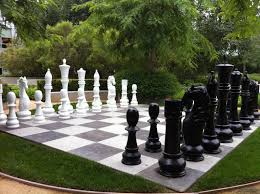
Now you might have seen seen the hit Netflix show The Queen's Gambit, and we have all dug out that old, dusty chess set from the closet to see if we still have the skills. We at We Are Tricycle even have Giant Chess among our collection of Giant Garden Games.
But to be a true grandmaster, it is important to understand exactly where chess came from. After all, understanding the history of the game might give an insight into some of the best strategies to use when attempting to checkmate your friends! So read on, there's more to chess than you think you know!
What is the history of Chess?
The history of chess is not a simple thing to understand. It is difficult to pin down exactly when the game was invented. It has evolved through many different and unique cultures, meaning there have been various diverse origins and versions of the classic game. What is not debated is the fact that the game, or versions of chess, have been around since the 6th century, if you can believe that!
The fact that the game has survived and thrived through so many different eras and cultures speaks to how creative and engaging it is. There are claims the game was played in Arabian countries as well as throughout all major, more current cultures and countries. None more so than in the thriving chess environment in Russia.
The game also has roots back to India where versions of the game were known as Chaturanga. These versions of the game, which originated around fifteen hundred years ago, were played by four players rather than two. Chess has also been immensely popular in all corners of the world, including the Islamic Arab world as well as Europe. Chess was played frequently in China, Japan and other Southeast Asian countries. These versions of the game evolved into different versions known as shogi (in Japan) and xiangqi (in China).
This all speaks to the popularity of the game, throughout all these years. We can see why Netflix were so keen to get on board!
Chess Has Survived Because the Rules Create So Many Possibilities
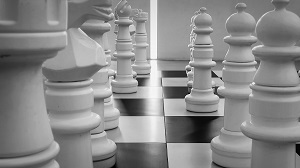
Chess needs relatively little equipment, yet every move changes the decisions available to both players. That depth has helped the game remain relevant through centuries of changing leisure and entertainment habits.
For events, the same principle can be presented on a very different scale with Giant Chess, turning a traditionally seated board game into an activity that can become part of the surrounding event space.
Making the Pieces Bigger Changes How People Experience Chess
A conventional chessboard is primarily an activity for the two people playing it. Enlarge the board and pieces and the game becomes much more visible. Other guests can follow the position, watch decisions being made and discuss possible moves from nearby.
This places giant chess naturally alongside garden games, where familiar games can become informal activities that people join during different parts of an event.
Chess Represents a Different Kind of Event Challenge
Many event games test speed, accuracy or physical reactions. Chess instead rewards planning, anticipation and understanding how individual pieces work together. That gives organisers a useful contrast when building a varied programme of activities.
puzzles provides other entertainment based around problem-solving, while reaction games takes almost the opposite approach by placing greater emphasis on rapid responses.
A Two-Player Game Can Still Attract a Crowd
Chess demonstrates that an activity does not need a large number of simultaneous participants to contribute to an event. A visible match can attract spectators, prompt conversations and encourage the next pair of players to take over once a game finishes.
For organisers looking specifically for head-to-head entertainment, competitive games contains other formats where scores, skill or direct competition provide the focus.
Chess Can Sit Alongside Much Faster Forms of Play
One way to use chess within an event is as part of a deliberately mixed games area. A strategic activity can provide a change of pace from arcade machines, sports challenges and quick-play fairground games.
retro arcade machines, sports games and skill games offer contrasting styles of participation, allowing guests to move between activities requiring very different abilities.
Traditional Games Continue to Find New Event Settings
Chess may have ancient roots, but it does not have to be presented as a historical exhibit. Giant pieces allow the game to work at corporate events, family entertainment, outdoor programmes and other occasions where guests can participate at their own pace.
How to Plan a Team Building Day provides further guidance for organisers combining different activities, while team building contains entertainment that can be considered for group programmes.
Follow the History of Other Familiar Games
Our Guides explore how many games and attractions developed into forms that remain familiar today. What Is the History of Table Tennis?, What Is the History of Hoopla? and What Is the History of Whack a Mole? provide three contrasting examples involving sport, skill and rapid-response play.
You can also browse all products or contact us about combining giant chess with other games and attractions for an event.