What is the History of the Fun House?
From the world famous Coney Island New York as far back as the early 1900s, Fun Houses have become one of the main attractions of any fairground. The concept of the funhouse is simply to have guests find fun in being a bit off kilter, uneven floors, moving stairs, dark corridors, optical illusions and even halls of mirrors. It means there is an endless amount of experiences to be had, as each person will approach it slightly differently - this even means the experience changes depending on who you’re with.
Unlike most rides or attractions at fun fairs, Fun Houses are there to be explored by guests at their own pace. The concept is simple; you walk in the entrance and have to make it through to the exit. What lies inside the funhouse is a mystery until you see it.
There can be any number of obstacles to get past:
The Earliest Fairground Funhouses
Funhouses have, throughout the years, become more and more high-tech, but originally these huge wooden structures would roll into towns and cities offering sometimes three floors of obstacles and entertainment. Their popularity and fast take-off could be down to the nature of letting guests explore at their leisure - this meant that families could experience funhouses together, plus the gentle nature of these rides when compared to other white knuckle attractions means they are fun for all ages.
Jumping across the pond quickly, one of the UK’s first funhouses opened at the iconic Blackpool Pleasure Beach in 1911 and was aptly named The House of Nonsense. It entertained the revellers so much that funhouses then became a common feature of funfairs and seaside resorts. Appearing in Margate, Bognor Regis, Leamington Spa, and other seaside resorts, funhouses rapidly grew in popularity until they became what we have today.
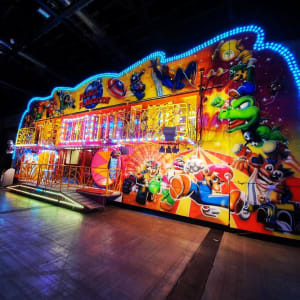
Today we might see bright lights, animatronic figures and striking graphics adorning towering funhouses. There are Funhouses that are filled with electronically-powered features that are bound to make guests jump, scream and giggle, plus tweaks on the design that create new rides such as
Ghost Trains that combine a horror-themed funhouse with a
rollercoaster. Why not find out more in the
History of the Ghost Train?
But let’s not forget the humble beginnings of this beloved attraction; a simple wooden structure where once you step inside nothing is as it seems!
We Are Tricycle are proud to be part of this history steeped tradition and have some amazing fun houses to offer your events. Take a browse and find the one for you, they’re exciting with show stopping looks and thrilling themes, then simply get in touch with We Are Tricycle and we’ll bring the funhouse to your event!
Visit our contact page to see how to speak with our team, or look through our website to marvel at our collection of funhouses, ghost trains, funfair rides and classic fairground attractions.
The Fun House Created a Different Kind of Fairground Attraction
Many traditional fairground attractions take visitors on a mechanical ride or ask them to complete a game. The funhouse offers something different: visitors move through the attraction themselves, encountering a sequence of unusual, amusing or surprising features along the way.
That distinction still exists within modern funhouses, which can sit alongside fairground rides and fairground side stalls and games while providing a very different type of entertainment.
Walking Through Became Part of the Entertainment
The visitor's movement through a funhouse is central to the format. Instead of remaining in a ride vehicle, people progress through different sections and encounter features as they go.
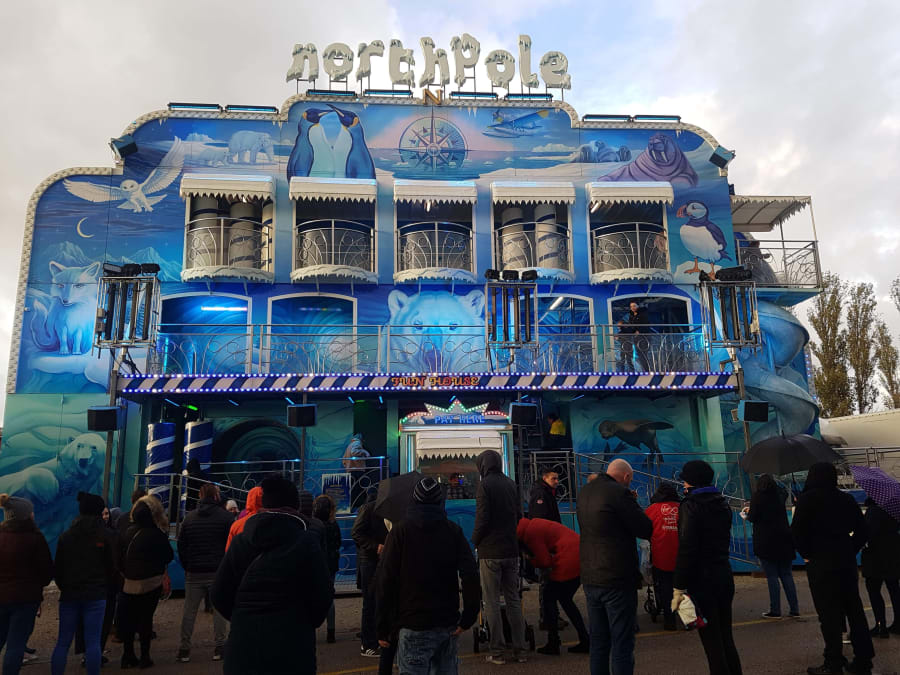
Modern examples include Videogame Funhouse and the seasonal North Pole Funhouse, showing how the walkthrough principle can be adapted to very different themes.
Mirrors Became a Fairground Attraction in Their Own Right
Distorted reflections and confusing visual effects became closely associated with funhouses and amusement attractions. Mirror-based entertainment also developed into attractions where navigating the environment is the main activity.
Mirror Maze is a good example of this related format, while puzzles provides another route into entertainment where figuring out what to do is part of the experience.
Funhouses Also Developed a Spookier Relative
The walkthrough format lends itself naturally to themed environments, including attractions designed around suspense and horror. This places the history of the funhouse close to that of haunted attractions and ghost trains, even though the experiences themselves can be very different.
ghost trains, Haunted House and House Of Terror show how fairground entertainment can use scenery, enclosed environments and surprise to create a more theatrical experience.
Old Fairground Ideas Can Take on New Themes
The continued use of funhouses demonstrates how a traditional attraction format can change without losing its basic identity. Artwork, scenery and the individual features inside can be adapted to suit different audiences, seasons and event themes.
This same approach can be seen elsewhere in fairground entertainment. How to Make Your Funfair Match Your Event Theme looks at combining attractions around a theme, while How to Brand and Customise Funfair Rides explores the possibilities for adapting amusement equipment for particular events and campaigns.
Funhouses Can Add Variety Between Mechanical Rides
For modern event organisers, the value of a funhouse is not only historical. It can introduce a walkthrough attraction into an entertainment programme otherwise dominated by mechanical rides, stalls and games.
How to Choose the Right Funfair Rides & Games provides further guidance about creating an appropriate attraction mix, while Ideas for Family Friendly Funfairs looks at planning entertainment for a broader audience.
Continue Through Fairground History
The funhouse developed alongside many attractions that became permanent parts of fairground culture. You can continue exploring that history with What Is the History of the Roller Coaster? and our other Guides covering the origins, mechanics and traditions of familiar fairground attractions.
For current event options, browse all products or contact us about combining funhouses, rides, games and themed attractions at your event.