The History of the Slide
The slide is a much-loved ride at modern fairgrounds and children's playgrounds across the UK. Including fun fairground classics such as Giant Astroslides or Helter Skelters, slides have been part of funfairs for decades. But where did slides come from? This children's favourite might be more modern than you think!
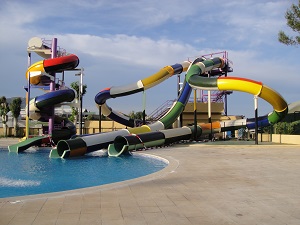
Proto-slides
The earliest known slide was built in 1902 in Washington DC, and in May 1903 a brand new bamboo slide was introduced to Coney Island. This new entertainment instalment was a big hit for people across New York, especially children visiting the well-known children's play site.
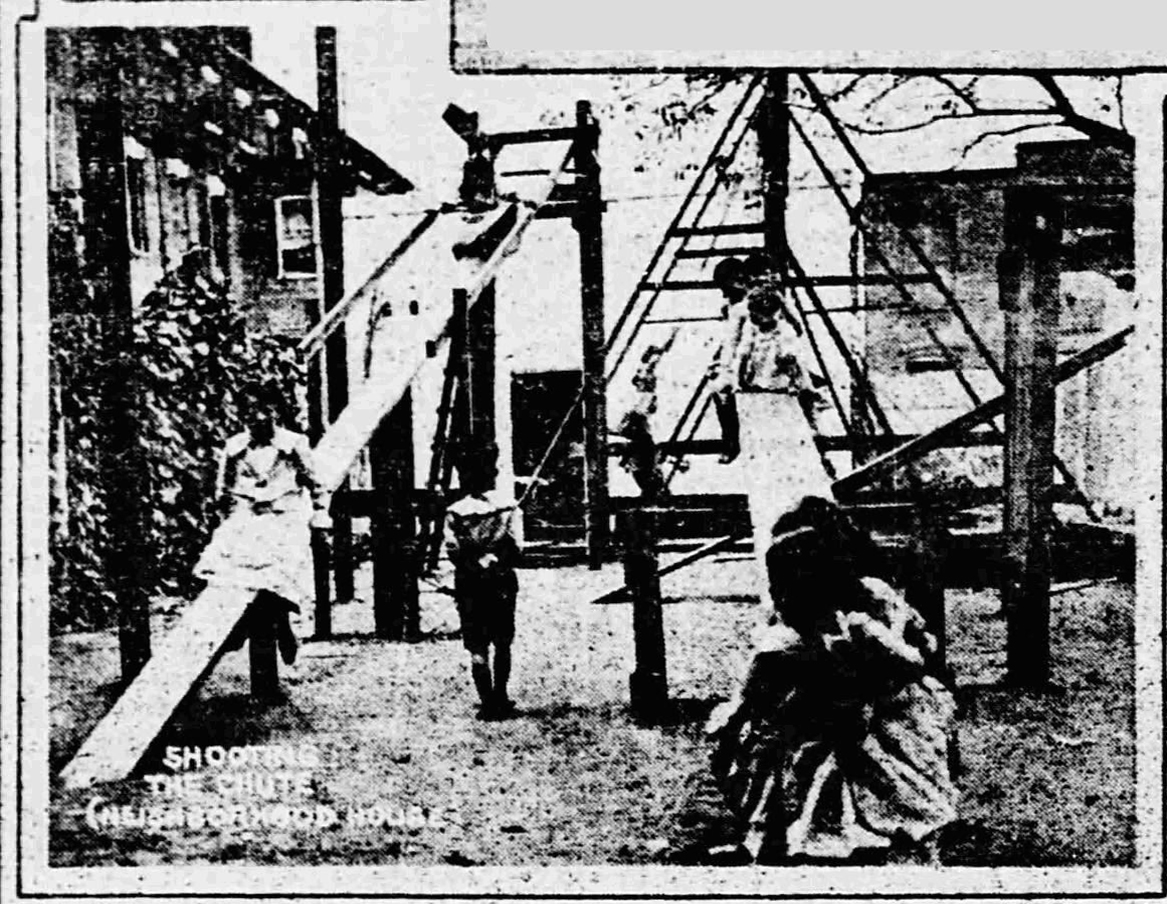
It was a few decades before this slide came over to the UK! It was Charles Wicksteed who created the first slide for children in England. In 1922, his manufacturing company, Wicksteed, built a huge slide in Wicksteed Park for children of all ages to enjoy.
This was the first of its kind, and it measured over 30 feet in length. Unlike slides at playgrounds or funfair rides today, there were no safety regulations, and lots of children tried to slide down this fun ride at once!
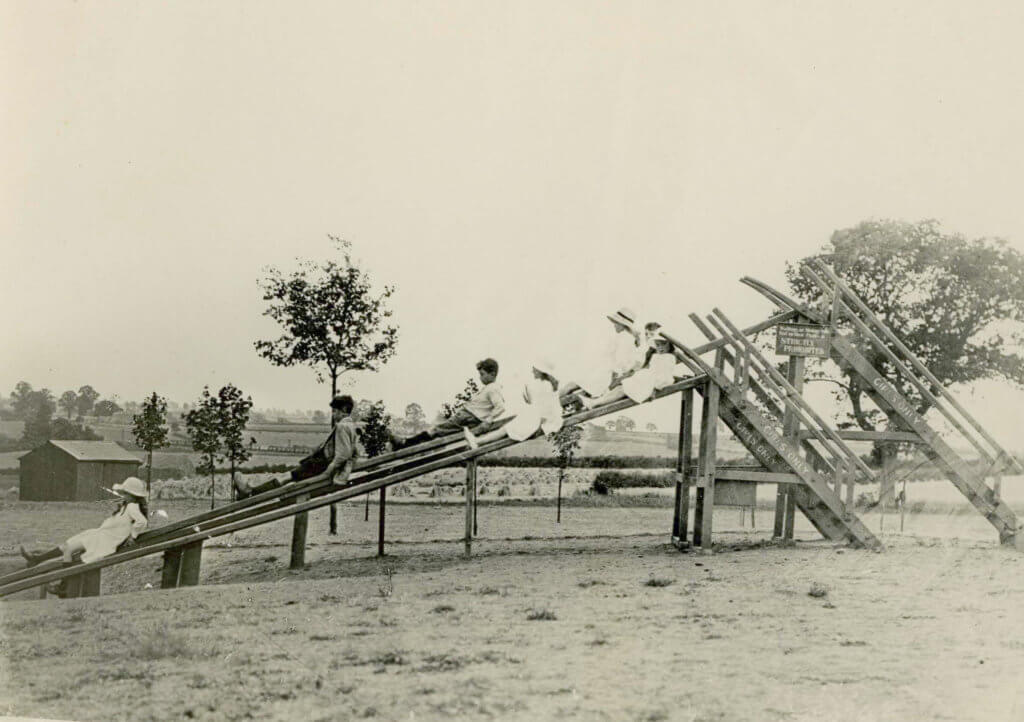
Originally, Charles Wicksteed created the slide just for boys, but he then went on to create an even better slide for all the young girls who wanted a turn. He was one of the first people to push for girls to also get the chance to enjoy fun rides, slides and other thrilling entertainment. After all, why should the boys get all the fun?
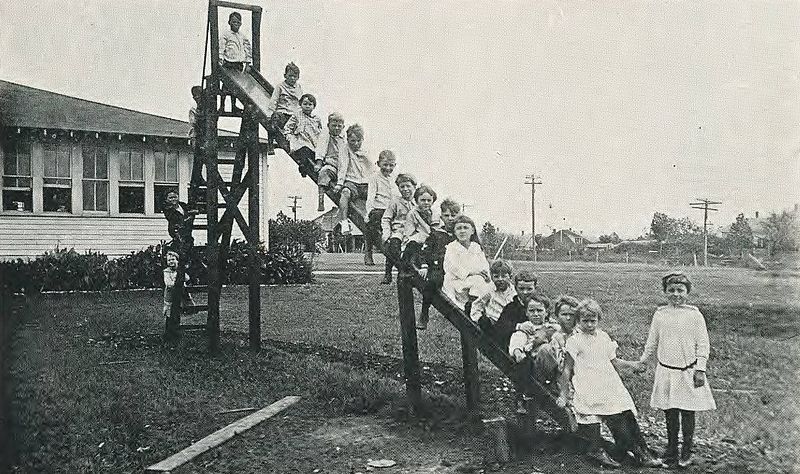
Some of the other earliest slides in history
There are lots of other examples of amazing slides across world history. As far back as 1904, a huge slide was built in Smith Memorial Playground in Philadelphia. This giant slide was a whopping 45 feet high, and children and adults could take daring, stomach-turning rides all the way to the bottom before racing back up for another turn.
The Earliest Helter Skelters
The Helter Skelter, an iconic feature of British amusement parks, made its first recorded appearance at Blackpool Pleasure Beach in 1906, symbolising the early development of funfair rides. Its inception around the turn of the 20th century marked a significant evolution in amusement attractions, with early versions built on places like Great Yarmouth's Britannia Pier.
This giant slide known for its spiral journey around a tower, became a popular choice in amusement parks, seafronts and piers across the UK. The term 'helter-skelter' itself, derived from 'kelter' meaning in good condition, evolved to signify something done in haste and confusion, aptly describing the ride's thrilling descent. Despite a decline in some areas, the Helter Skelter remains beloved where it continues to operate, such as the current example on Brighton Pier since 1977, showcasing the enduring appeal of this traditional funfair ride.
Read more of the history of the Helter Skelter!
It's clear that children, adults and avid funfair enthusiasts have been enjoying playground and fairground slides for years and years, and this exciting ride is a big part of traditional and modern fairground events even to this day.
If you love evoking rides of the past, we can help! We offer a wide range of exciting and fun slides for everyone to enjoy at your next local fairground or funfair event.
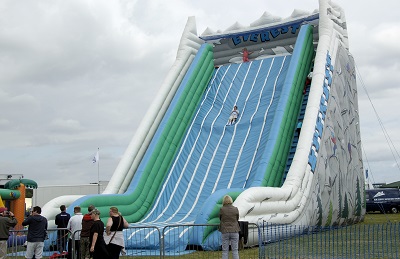
Our Bavarian giant slide is super tall, and it gives children of all ages the chance to transport themselves to Bavaria and enjoy a thrilling ride on this traditional slide. We also regularly deliver beautiful fairground slides such as the Astro Slide and our Lighthouse Helter Skelter to events across the UK, and we would love to add a bit of history and fun to your next amazing party.
Find out more about our fairground rides and funfair stalls for hire on our website or in our funfair help and advice FAQs, or contact us now to book one of our rides or slides for your next exciting party or celebration.
A Simple Form of Entertainment That Never Needed Reinventing
Compared with many mechanical fairground rides, the basic idea behind a slide is remarkably straightforward. Height provides the starting point, gravity provides the movement, and the shape of the slide controls the route back towards ground level. That simple principle has allowed slides to appear in playgrounds, amusement parks, travelling fairs and temporary events in many different forms.
Modern giant slides show how the familiar concept can be scaled into a substantial event attraction without changing the fundamental idea that makes a slide work.
Fairgrounds Turned the Slide into a Landmark
At a fairground, a large slide can do more than provide an activity. Its height, structure and decoration can make it a prominent feature of the event itself. Visitors can often understand the attraction immediately, even before reaching its entrance.
Astroslide and Bavarian Giant Slide demonstrate how different themes and structures can be applied to the giant-slide format.
The Helter Skelter Took a Different Route Down
One particularly recognisable branch of fairground slide development is the Helter Skelter. Instead of providing a predominantly straight descent, its spiral form wraps the slide around a tall central structure, creating a distinctive fairground silhouette.
Our Helter Skelters include designs such as Helter Skelter (Illuminated), Helter Skelter (Square) and Helter Skelter (Lighthouse). These show how the broader slide concept can support markedly different visual designs.
Inflatables Created Another Branch of Slide Entertainment
The development of inflatable event equipment provided another way to create temporary slides. These attractions differ considerably in construction from traditional fairground structures, but retain the familiar climb-and-descend activity at the centre of the experience.
Our inflatable attractions provide examples of how inflatable technology now sits alongside traditional rides, games and other active entertainment at modern events.
Slides Contrast with Mechanically Powered Fairground Rides
A giant slide provides an interesting comparison with attractions where machinery continuously creates the passenger movement. Roller coasters, Ferris wheels, Dodgems and rotating rides all achieve their experiences through different mechanical systems.
How Are Funfair Rides Powered? looks at power systems used by fairground equipment, while How Does a Roller Coaster Work? provides a useful comparison with an attraction that combines gravity, momentum and a fixed track.
Choosing a Modern Slide Means Looking Beyond Its History
For an event organiser, the historical development of the slide is only part of the picture. The venue, available space, audience, event layout and relationship with surrounding attractions all need consideration when selecting current equipment.
How to Place Funfair Rides Around the Site looks at attraction positioning, while How to Choose the Right Funfair Rides & Games provides broader guidance about building an appropriate entertainment mix.
Follow Other Branches of Fairground History
Slides developed very differently from many of the rides now associated with travelling fairs. Our Guides provide further reading about amusement history, engineering and individual attraction types, including What Is the History of the Roller Coaster?.
You can also browse fairground rides, all products or contact us to discuss slides and complementary attractions for your event.