What is the History of the Theme Park?
Alton Towers, Thorpe Park, Legoland… amusement parks and theme parks such as these are some of the most popular family days out in the UK and beyond. But how much do you know about the history of amusement parks? What you learn might surprise you!
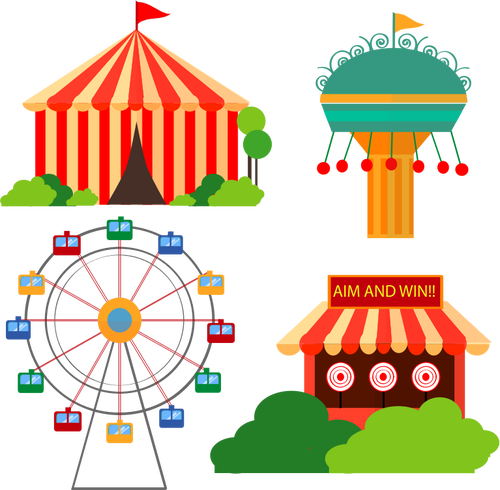
The earliest amusement parks
The oldest theme park still in operation is Dyrehavsbakken in Denmark. This theme park originally opened way back in 1583! However while they have been around for hundreds of years, amusement parks as we know them today really grew in popularity due the leisure boom of the 19th century. As wages and free time increased, suddenly a large proportion of the population were eagerly searching for new ways to be entertained. This period also coincided with the development of new technology for mechanical rides, and many of the classic funfair rides that people love today originated in this period.
World Fairs are the earliest example of fixed-location amusement parks that we recognise today. World Fairs, such as the one constructed in Crystal Palace in London in 1851, were put on by cities across the globe to celebrate industrial achievements and to entertain visitors. Part of this entertainment included new funfair amusements and fairground rides such as Helter Skelters.
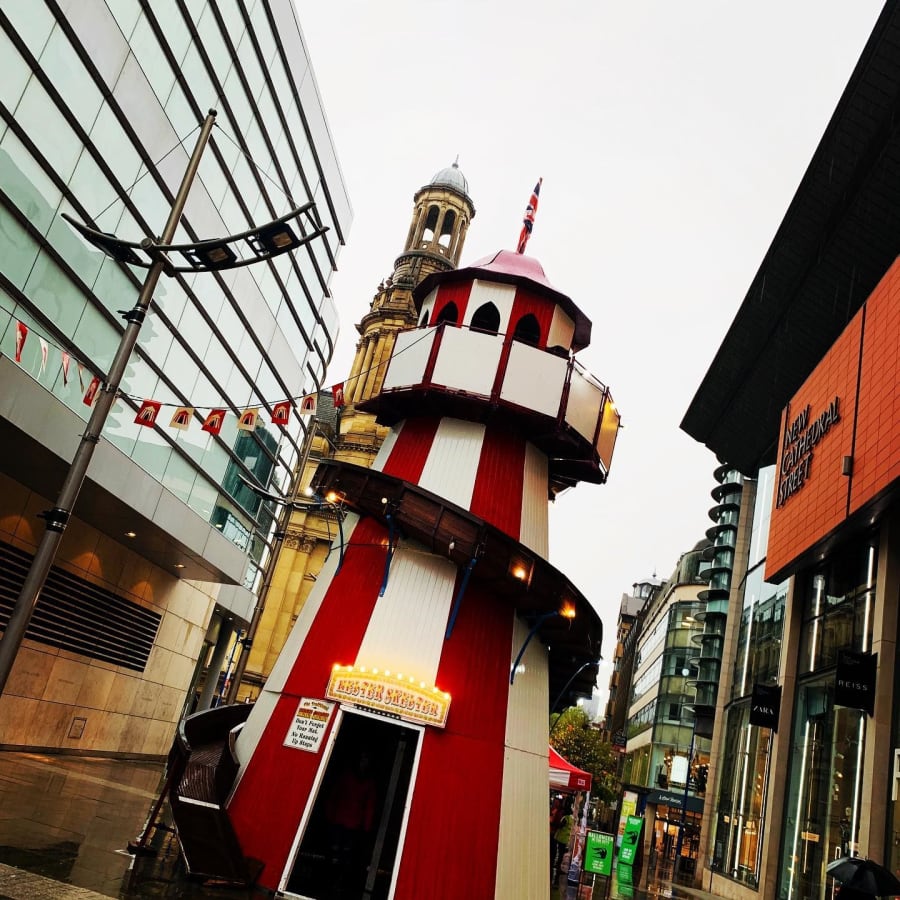
While World Fairs were temporary exhibitions, the first modern permanent amusement park was opened in Coney Island in 1895. The first amusement park in the UK, Blackpool Pleasure Beach, followed just a year later in 1896 and it remains one of the most popular to this very day. People flock from all over the country to try out roller coaster rides such as Avalanche, Big Dipper and The Big One.
While the fast half of the 20th century is considered The Golden Age of the amusement park, their popularity has endured with innovation in rides and technology continuing. Over the course of the century amusement parks spread to every corner of the globe, with the market size in China poised to take over the US for the first time during the 2020s!
Rollercoasters and other rides
Rollercoasters have been one of the most popular type of rides since the first amusement parks appeared. The oldest rollercoaster still in operation today is the Leap-the-Dips located in Lakemont Park, Pennsylvania. This wooden rollercoaster opened in 1902 and is the last remaining example of a side friction coaster in a figure eight shape in the world!
The tallest rollercoaster in the world is the Kingda Ka, which can be found at Six Flags, New Jersey. It towers at a terrifying 456 feet and cost $25million to build. Do you think you'd be brave enough to give it a go?
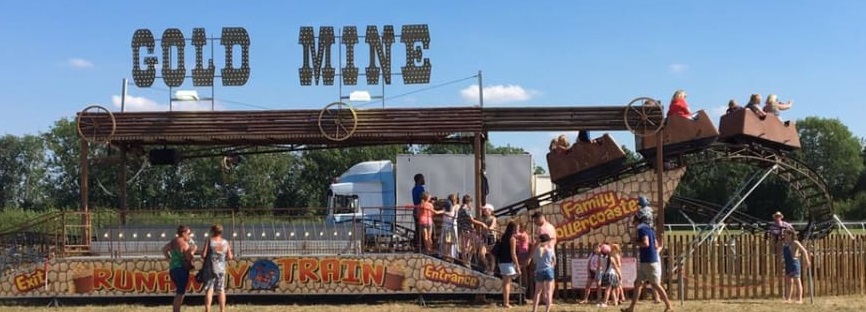
Create your own amusement park with We Are Tricycle
At We Are Tricycle we have extensive experience of providing rides and other entertainment to funfairs, fairgrounds, festivals and more across the UK. We also have extensive experience of providing our premium quality amusements to private parties, festivals, product launches, weddings and more. Bring a little bit of the amusement park to your next function with us!
The Theme Park Changed the Idea of Where Rides Belonged
A useful way to understand the theme park is to look beyond individual rides. Instead of treating each attraction as a largely separate experience, theme parks brought rides, games, scenery, food and entertainment together within a deliberately planned destination.
That creates an interesting contrast with the development covered in What Is the History of the Funfair?, where travelling entertainment has its own traditions, operating patterns and relationship with temporary event sites.
Theme Became Part of the Space Between Attractions
Themed entertainment is not restricted to what happens during a ride. Buildings, landscaping, signs, music, props and decorative features can help different parts of a park feel connected. The spaces visitors walk through therefore become part of the overall experience.
themed events and carnival decor show how this principle also appears within temporary events, where entertainment and surroundings can be selected to support a particular visual direction.
Different Ride Types Could Be Combined Within One Destination
A theme park can contain attractions based on completely different forms of movement and participation. Roller coasters can sit alongside observation rides, carousels, dark rides, children's attractions and interactive games, allowing visitors to choose between very different experiences during the same visit.
What Are the Different Types of Roller Coaster? explores the variety within just one major ride family, while fairground rides provides a wider comparison between attraction formats.
Storytelling Gave Familiar Attractions New Identities
Theming can change how visitors interpret an attraction without necessarily changing its fundamental ride principle. A journey can be presented as an adventure, fantasy, historical setting or fictional world through scenery, sound, lighting and other creative elements.
This is particularly apparent with enclosed attractions. What Is the History of the Ghost Train? and What Is the History of the Fun House? provide two useful routes into the history of attractions where surroundings contribute heavily to the visitor experience.
A Full Day Required More Than a Collection of Rides
As amusement destinations developed into places intended for longer visits, supporting facilities became increasingly significant. Food, seating, pedestrian routes, queues and entertainment away from the major rides all contribute to how visitors use a site.
How to Manage Queues at Funfairs looks at one important part of visitor flow, while event catering solutions demonstrates the continuing role of food within modern entertainment environments.
Theme Park Ideas Now Influence Temporary Events
An organiser does not need a permanent amusement park to apply some of the same principles. A temporary event can combine contrasting attractions, create themed sections and consider how visitors progress from one activity to another.
How to Place Funfair Rides Around the Site looks more closely at attraction positioning, while How to Choose the Right Funfair Rides & Games can help when planning the mixture of entertainment itself.
Explore the Attractions That Helped Shape Amusement Parks
The history of the theme park connects with numerous individual branches of amusement history. What Is the History of the Roller Coaster?, What Is the History of the Ferris Wheel? and What Is the History of the Carousel? examine three attraction types that became familiar sights within amusement destinations.
Our Guides contain further articles about fairground history, ride engineering and event planning. You can also browse all products or contact us about creating a varied entertainment programme for your event.