What is the History of the Photo Mosaic Wall?
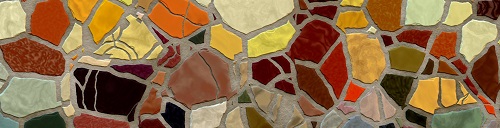
Mosaics are an ancient art form that date back through millenia, the ancient Romans were the masters of it, bringing dazzling images to every land they settled in. Mosaics have survived volcanic eruptions, wars and thousands of years of erosion so we can enjoy them today. The first way of creating images were done by precisely cutting different coloured tiles to arrange into an image when viewed as a whole. The art form has of course continued and modernised through the years and still impresses people today.
The purpose of mosaics has changed very little in all that time with the romans using them much in the same way we use photo mosaic today, to advertise presence or celebrate an event in a creative way that is a feat for the eyes. Now what we may be celebrating or advertising may not be as epic as winning a battle against the Germanic tribes or conquering a province but they’re still important to us.
Modern Photo Mosaic Walls
Photo mosaic walls first found their feet in modern culture in the pop art boom of the 1970s were artists such as Andy Warhol would take hundreds of tiny photographic images and expertly place them based on their light and shade to create one big image. How people had the vision to do that is mind boggling, but with advances in technology it has become easier and more accessible to create photo mosaic walls.
Computers changed everything and in 1993 Joseph Francis is credited in creating the first computer generated photographic mosaic, using a program he developed. Throughout a short period in the 90s artists and programmers got more creative with their ideas, creating images of John F Kennedy and Marilyn Monroe from random images on the internet, even politically charged pieces were made as the art form took on more meaning. But by 1997 the first user-friendly algorithm was patented by Robert Silvers and the technology was open to the world.
Now its very easy to run programs even through a simple laptop to create photo mosaic walls. They are used far and wide to decorate exhibition stands, celebrate weddings or milestone birthdays, or as a feature at conferences and similar corporate events. It’s wonderful that this technology is so available to us now that we can get as creative as we want and very simply make a stunning piece of art that captures not one memory but hundreds, sometimes even thousands. They still draw attention, they’re pieces that are explored from afar and up close for two very different experiences.

We are Tricycle are proud to be part of this rich history and offer this service to individuals and companies alike. Contact us to book a photo mosaic wall today!
Photo Mosaics Changed the Role of the Event Photograph
Traditional event photography usually produces individual photographs of particular people or moments. A photo mosaic introduces another layer: many separate images can contribute to one larger visual result. The individual photograph remains important, but it also becomes part of something created collectively.
That relationship between personal participation and a shared finished image helps explain the role of Photo Mosaic Wall Hire at modern events.
From Individual Portraits to Shared Event Images
The idea of involving visitors directly in event imagery has much older precedents. What is the History of the Seaside Face in the Hole Photograph? explores another form of participatory photography in which the visitor becomes part of the attraction rather than simply observing it.
The technology is very different, but both formats demonstrate how taking a photograph can itself become an activity. This helps place photo mosaics within the wider history of interactive entertainment rather than treating them purely as a display technique.
Why the Mosaic Format Works for Large Groups
A photo mosaic can represent participation on two scales simultaneously. Each photograph records an individual contribution, while the completed composition represents the larger group, organisation or event.
That makes the format particularly relevant to company fun days | corporate events, where entertainment can also provide a visual representation of the people taking part. How to Plan a Team Building Day provides further reading on activities designed around group participation.
Branding Gave Photo Mosaics Another Event Role
The larger image provides opportunities for a mosaic to relate visually to an organisation, campaign or event theme. This means photo participation can become part of a wider branded environment rather than operating as an isolated attraction.
brand activations explores entertainment used within promotional experiences, while Concept To Reality | Bespoke Creations covers more individual event concepts. How to Brand and Customise Funfair Rides also looks at how entertainment can become part of a wider visual identity.
Photo Attractions Now Compete with Phones for Attention
Modern visitors already carry cameras in their pockets, so an event photo activity needs to offer something different from simply taking another picture. Collaborative formats provide one answer by giving each photograph a role within a larger event experience.
photo opportunities includes other entertainment where photography forms part of participation, while Sea Side Photo Peep Board represents a much more traditional approach to encouraging guests to pose for an event photograph.
Photo Mosaics Sit Between Physical and Digital Entertainment
The development of event entertainment increasingly includes attractions where physical participation and digital processes operate together. A guest performs a simple real-world action, but technology changes how that contribution is displayed, combined or presented.
This places the Photo Mosaic Wall alongside the broader development of electronic & digital games and other technology-supported attractions, even though its purpose is collaborative imagery rather than conventional gaming.
The Finished Mosaic Can Become Part of the Event Environment
A growing mosaic can provide a changing visual feature while an event is taking place. Its role is therefore different from entertainment that exists only for the duration of an individual participant's turn.
Organisers considering how attractions relate to the wider venue can read How to Place Funfair Rides Around the Site. For exhibition settings, How to Use Interactive Games at Exhibitions provides further ideas for encouraging visitor participation within a larger event space.
Follow the Wider Story of Interactive Event Entertainment
The Photo Mosaic Wall is one example of how event attractions have moved beyond rides and traditional side stalls into photography, digital interaction and audience-created content. What is the History of the Funfair? provides the broader historical backdrop, while What is the History of Fairground Art? explores another way visual culture has shaped entertainment spaces.
You can explore more modern and traditional attractions through all products, continue into our Guides, or contact us about interactive and photographic entertainment for your event.