What is the History of Ice Cream?
Ice cream has been a delicious fairground and seaside treat for generations, and it is still enjoyed at funfairs and fairgrounds across the UK, including big celebrations, birthday parties, or carnivals for everyone in the community.
But what is the history of ice cream? We Are Tricycle looks into the much-loved dairy confectionary in the following funfair FAQ page. Read on to find out more!
Ice cream had an important start in the world, and it was reserved only for those with power or wealth. Emperors of the Mughal Empire used horsemen to bring ice to Delhi specifically for ice cream and fruit sorbets, and rumour has it that Charles I of England gave his personal ice cream maker a lifetime pension in return for never telling anyone the formula for creating this frozen dessert, keeping ice cream as a treat for Royals. Even Thomas Jefferson, former President of the US, had an 18-step recipe for creating ice cream. However, most people across the world had never tried this frozen delight.
In the mid-nineteenth century this all started to change. This intriguing new dessert started to become more accessible for the people of England, with Carlo Gatti setting up the very first ice cream stand outside Charing Cross station in 1851. He sold scoops of ice cream for just one penny, meaning more and more people could try this delicious treat for themselves. If only ice cream was still that cheap!
Over the years, recipes for ice cream started to pop up across the Western world. Agnes Marshall, nicknamed "Queen of Ices", is credited with popularising ice cream in the Victorian period, and we have her to thank for the early recipes that made ice cream stalls and other event catering treats possible at all our favourite funfair events today.
It was in the 20th century that ice cream became the dessert we all recognise today. With the introduction of cheap refrigeration there was an explosion of ice cream shops across the world, and ice cream recipes were constantly improved and revised. From creating soft-serve ice cream to special ingredients for those with intolerances, it was in the latter half of the 20th century that ice cream became the delicious treat we all know and love!
Even now, ice cream evokes a certain charming history at any event, reminding people across the generations of those first soda shops and elaborate frozen elite desserts of the 19th and 20th centuries.
What does the future hold for ice cream? It seems inevitable that the coming years will see a continuing growth of vegan ice-creams and other non-dairy options. Some companies have started to introduce some weird other ingredients to their ice creams, such as crickets, and expect we'll be eating plenty more of them in the decades to come - do you think you'd enjoy cricket ice cream?
Here at We Are Tricycle, we can help you bring a sense of important history and nostalgia to your next fairground event. You can hire fantastic ice cream food vending tricycles and fun food carts for any occasion, and we also offer a wide range of exciting traditional funfair and fairground attractions for your next party, local community event, or family fun-day.
Please contact us for more information, or take a look through our website to find out more about how we can help you create a historical, classic, and memorable funfair event for your next special occasion.
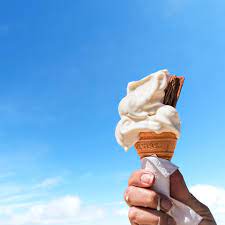
Ice Cream Became More Than a Dessert
The history of ice cream is also a story about where and how people eat it. As ice cream became more widely available, it developed strong associations with leisure, days out and public entertainment. That helps explain why it feels so naturally at home at fairs, festivals and other outdoor events today.
What Is the History of the Funfair? provides related background on the development of the entertainment environment in which foods such as ice cream became familiar sights.
Fairs Helped Turn Food into Part of the Entertainment
Food at a fair is not simply about providing a meal. Traditional treats can become part of the experience itself, sitting alongside rides, games, music and decorative displays. Ice cream fits particularly well into this pattern because it can be bought quickly and eaten while visitors continue around the event.
traditional & vintage fairground rides & attractions and fairground side stalls and games show some of the entertainment that can surround a traditional fairground food area.
Mobile Ice Cream Changed Where It Could Be Sold
One important development in the culture surrounding ice cream was mobility. Rather than customers always visiting a permanent shop or parlour, ice cream could be taken to places where people were already spending their leisure time.
That principle remains relevant to contemporary events. Ice Cream Food Vending Tricycle provides a compact mobile format, while food vending tricycles includes further ways of bringing food service into an event environment.
Ice Cream Still Works Particularly Well at Outdoor Events
Ice cream has a particularly strong connection with warmer weather, making it a familiar choice for summer fairs, festivals, company events and other outdoor occasions. Organisers can position mobile catering as part of the wider site rather than treating it as separate from the entertainment.
How Mobile Food Carts & Bars Run at Outdoor Events looks at practical considerations including positioning, queues and visitor movement. How to Keep Funfairs Comfortable in the Summer provides further guidance for warm-weather events.
Traditional Treats Can Help Establish a Fairground Theme
Ice cream can also contribute to the visual and cultural character of an event. When it appears alongside candy floss, traditional stalls, bunting and classic rides, the food offer becomes another part of the fairground theme.
Candy Floss Food Vending Tricycle Hire provides another familiar sweet option, while carnival decor can help connect catering and entertainment visually.
Modern Event Catering Offers Far More Choice
Ice cream may have a long association with leisure events, but contemporary organisers can combine it with a much broader menu. Sweet treats can sit alongside substantial meals, snacks and specialist food concepts, allowing visitors to choose according to the time of day and type of event.
event catering solutions and food carts & bars provide wider catering choices, while Food and Catering FAQs covers related questions about food provision at events.
Explore the Connections Between Fairground Food and Entertainment
Looking beyond the chronology of ice cream reveals how food, leisure and entertainment have developed together. Other guides explore the history of fairgrounds, markets, games and attractions, providing a wider picture of how today's event traditions developed.
What Is the History of the Christmas Market?, What Is the History of the Carnival? and What Is the History of Fairground Art? provide three different routes into that wider history. You can also browse all products, continue through our Guides, or contact us about catering and entertainment for your event.